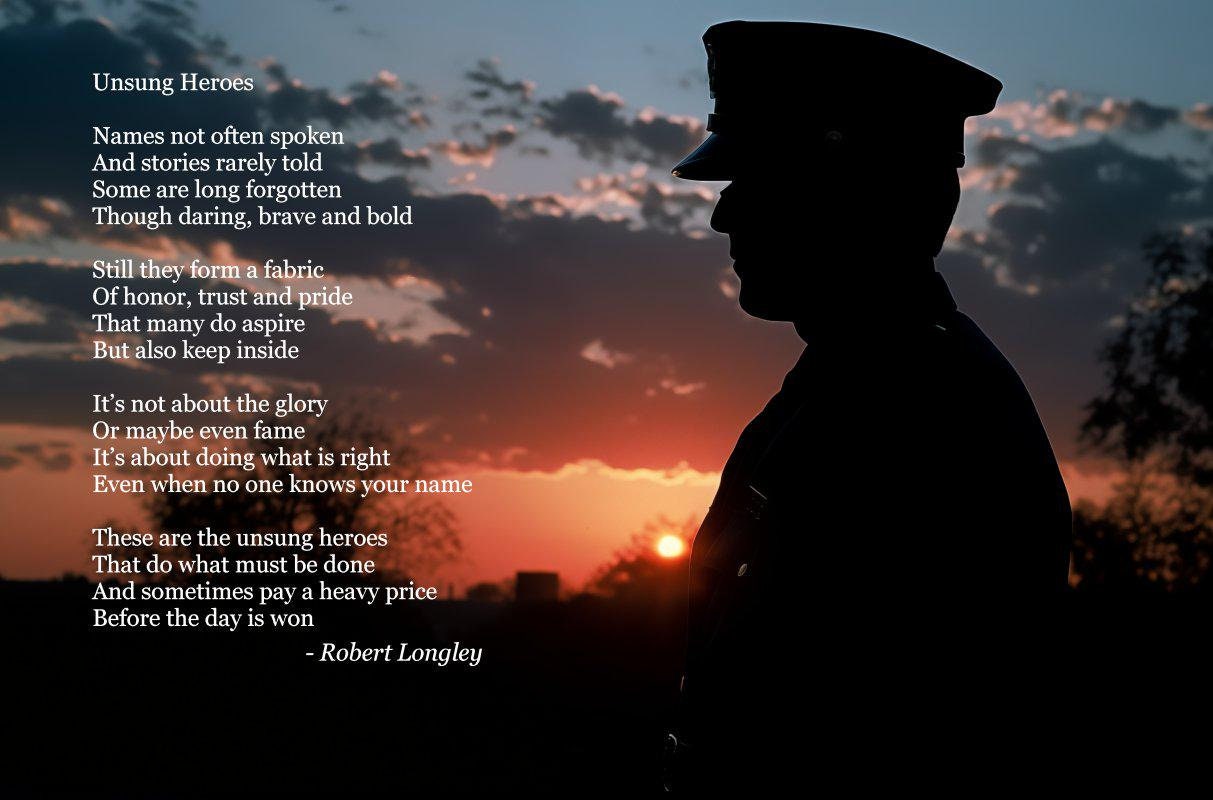
Alaska State Troopers Dispatch: Inside the 24/7 Nerve Center Guiding Safety Across the Last Frontier
Alaska State Troopers Dispatch: Inside the 24/7 Nerve Center Guiding Safety Across the Last Frontier
In Alaska’s vast and unforgiving wilderness, the Alaska State Troopers Dispatch serves as the critical link between emergency and response, coordinating life-saving actions across thousands of square miles. From remote villages to bustling Anchorage streets, this centralized hub receives calls, tracks resources, and directs field units through some of the most challenging operational environments in the nation. This is the story of how technology, training, and sheer professionalism come together in a single room to keep the state’s residents and visitors safe.
The Alaska State Troopers Dispatch is more than a call center; it is a complex public safety communications and coordination center operating around the clock, 365 days a year. Functioning as the primary point of contact for emergency services across Alaska, the dispatch handles everything from life-threatening criminal incidents and medical emergencies to missing persons reports and wildland fires. Utilizing advanced telecommunications systems, geographic information technology, and highly trained personnel, the center ensures that the right resources are sent to the right location at the right time, often in the most remote locations on Earth.
Operating under the Alaska Department of Public Safety, the dispatch center is strategically located to serve as the state’s central communication hub. Its personnel process requests for assistance, verify details, and deploy state troopers, wildlife officers, search and rescue teams, and often coordinate with municipal police, fire departments, and medical services. In a state where distances are measured in hundreds of miles and weather conditions can change with little warning, the work of the dispatch team is both mission-critical and relentless.
Technology forms the backbone of modern dispatch operations. The center relies on a suite of specialized tools to manage incoming information and track ongoing incidents. These include advanced computer-aided dispatch software, real-time GPS tracking of trooper vehicles, mapping systems that overlay incident data with geographic features, and secure data networks that ensure communication remains uninterrupted even in extreme conditions. Every call, text, or digital message is logged, analyzed, and routed to ensure a rapid and organized response.
One of the most significant challenges facing Alaska State Troopers Dispatch is the sheer scale of the state it serves. Alaska is more than twice the size of Texas, with a population scattered across isolated communities accessible only by air, water, or rugged terrain. The dispatch team must be intimately familiar with this complex landscape, knowing not only where communities are located but also how to navigate the intricate airspace, waterways, and road systems that connect them. This geographic expertise allows dispatchers to provide accurate directions, establish realistic response time expectations, and deploy resources efficiently, even when traditional road routes are impossible to use.
Personnel working within the Alaska State Troopers Dispatch undergo rigorous training specific to the demands of the role. This includes instruction in criminal and emergency communications, conflict resolution, crisis intervention, and the legal parameters of dispatching law enforcement resources. Dispatchers are taught how to quickly assess the nature and severity of an incident, ask the right questions to ensure officer safety, and provide pre-arrival instructions to callers during medical emergencies. The mental and emotional demands of the job are significant, as dispatchers routinely handle high-stress situations with professionalism and calm.
Communication is the primary tool of the dispatch trade, and the manner in which information is exchanged can have profound consequences. Dispatchers are trained to remain objective, clear, and concise, even while managing multiple incidents simultaneously. They coordinate with field units using standardized radio procedures, ensuring that instructions are understood and that situational awareness is shared across responding teams. In critical incidents, a single miscommunicated detail can alter the outcome, which is why training emphasizes precision, verification, and the confirmation of key details before action is taken.
The human element behind the console is often unseen by the public, yet it is central to the effectiveness of the entire operation. Alaska State Troopers Dispatch personnel regularly deal with traumatic calls, including situations involving domestic violence, suicidal individuals, and missing persons. The psychological toll of this work is substantial, and the department places a strong emphasis on mental health support, peer counseling, and mandatory critical incident stress management. Maintaining resilient and supported staff is essential to ensuring consistent, high-quality performance in the face of challenging circumstances.
Search and rescue operations provide one of the clearest examples of the dispatch center’s impact. When a hiker fails to return from a trail or a small aircraft goes missing over the tundra, the dispatch team becomes the central coordination point. They gather critical information, alert regional SAR teams, and maintain constant communication with field units. Alaska State Troopers Dispatch personnel often work closely with volunteer organizations, air ambulance services, and other agencies to manage these complex operations, which can extend for days in some of the most remote regions of the state.
In remote villages particularly dependent on air transportation, the dispatch center also plays a vital role in coordinating medical evacuations and urgent supply deliveries. Weather-related flight delays, limited landing areas, and challenging terrain all complicate these missions. Dispatchers must factor in wind conditions, visibility, aircraft availability, and pilot safety when prioritizing calls for air support. Their decisions can mean the difference between timely medical care and dangerous delays for patients in critical condition.
The integration of wildlife and trooper response is another unique aspect of Alaska’s dispatch model. Because the state is home to some of the largest populations of bears, moose, and other large game in North America, incidents involving wildlife pose a regular public safety threat. When a bear is sighted near a school or a moose is blocking a highway, dispatchers relay this information to responding officers, who must then assess the situation and determine the safest course of action. These calls require specialized knowledge and often collaboration with fish and game officials, all coordinated through the centralized dispatch system.
Training for new dispatchers includes extensive instruction on Alaska-specific geography, wildlife behavior, and common emergency scenarios. Veteran dispatchers often mentor incoming staff, sharing practical knowledge about regional idiosyncrasies, seasonal patterns, and community dynamics. This mentorship ensures that critical information is passed down and that new team members are prepared not only for the technical aspects of the job, but also for the realities of working in one of the most demanding public safety environments in the United States.
Data collected through Alaska State Troopers Dispatch also informs broader public safety and resource management strategies. By analyzing call volumes, response times, and incident trends, state officials can identify areas of high risk, allocate staffing appropriately, and plan for future expansion or improvement of emergency services. This evidence-based approach helps ensure that limited resources are used effectively and that communities receive the level of protection they need, particularly in regions where traditional policing models are not feasible.
Community reliance on the dispatch center cannot be overstated. For residents of small villages, tourists exploring national parks, and commercial pilots traversing remote airspace, the calm voice at the end of the radio or telephone often represents the first and sometimes only line of defense during an emergency. The professionalism, vigilance, and coordination managed by Alaska State Troopers Dispatch directly contribute to the safety and stability of everyday life across the state, even when that work largely goes unnoticed.
Looking ahead, the dispatch center continues to evolve, incorporating new technologies, enhanced training protocols, and improved data systems. These advancements are designed to reduce response times, improve communication reliability, and support dispatchers in managing increasingly complex incidents. As Alaska grows and changes, the role of the dispatch team will remain central, adapting to meet new challenges while upholding the standards of safety and service that have defined their work for decades.
Related Post

ALASKA STATE TROOPERS DISPATCH REPORT: EXPOSING THE TRUTH BEHIND THE FORCE'S CRITICISMS