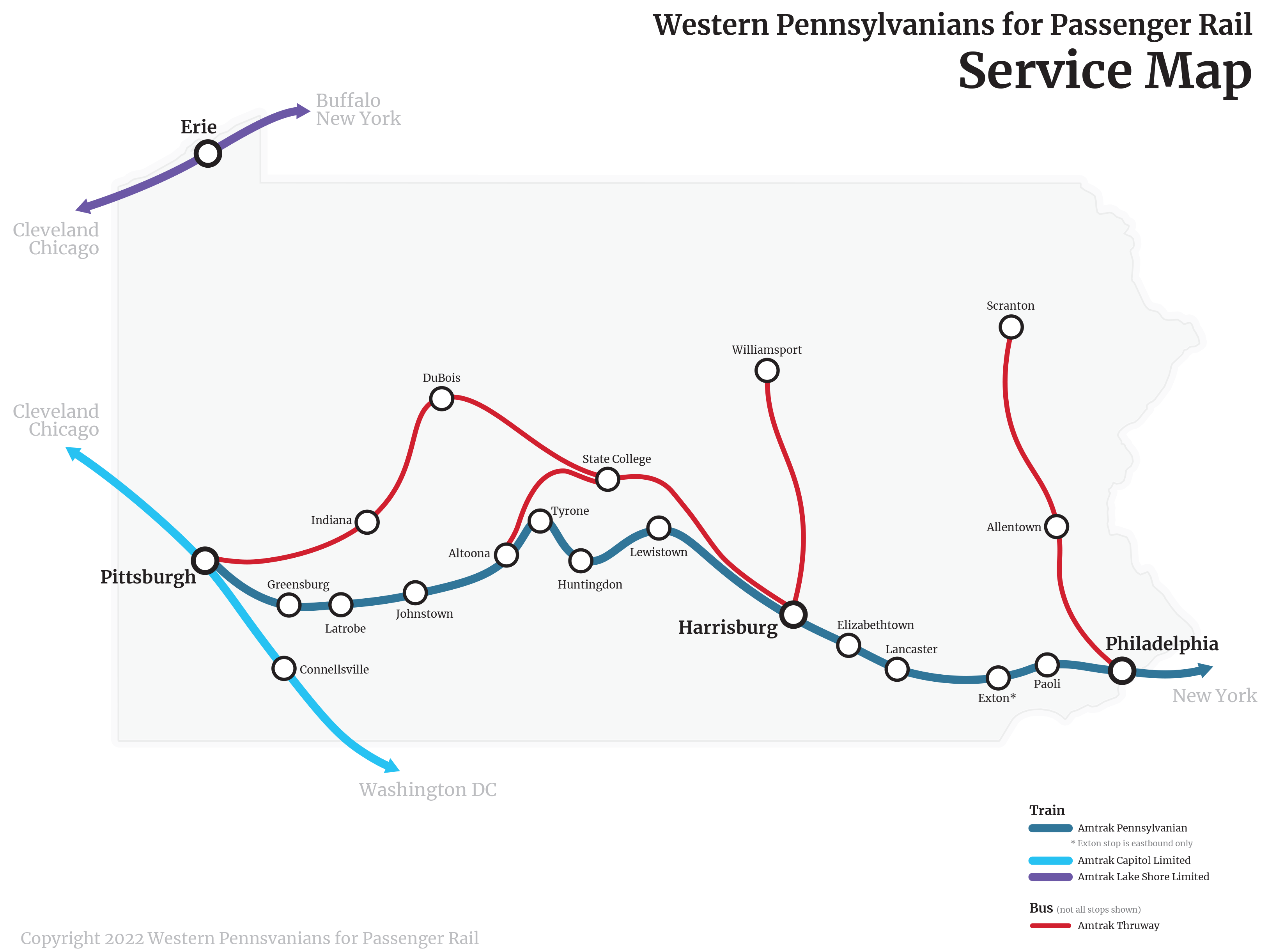
Amtrak Routes Decoded: Mapping the Essential Network Transforming American Rail Travel
Amtrak Routes Decoded: Mapping the Essential Network Transforming American Rail Travel
Across the United States, Amtrak operates a vast network of routes connecting urban centers, scenic landscapes, and regional communities with unprecedented reliability. These corridors represent the backbone of a resurgent passenger rail system adapting to modern transportation demands. This examination explores the structure, significance, and evolving future of the nation’s primary rail pathways.
The foundation of Amtrak’s service architecture rests on clearly defined route categories serving distinct travel markets and geographic regions. Understanding these classifications reveals how the system balances national prestige with essential local connectivity, creating a layered transportation ecosystem across continental scale distances.
Amtrak’s long-distance routes form the iconic backbone of the national network, stretching across multiple states and regions with journeys spanning several days. These services function as rolling microcosms of America, offering expansive window views and an escape from the constraints of air travel security and highway congestion.
* The **California Zephyr** operates between Chicago and the San Francisco Bay Area, traversing the Rockies and Sierra Nevada.
* The **Empire Builder** travels from Chicago to either Seattle or Portland, following the historic route of the Great Northern Railway.
* The **Southwest Chief** links Chicago with Los Angeles, crossing prairies, deserts, and mountain passes along historic Route 66 corridors.
These routes prioritize the experience of the journey itself, featuring observation cars and dining services that facilitate social interaction and scenic appreciation unattainable in sealed commercial aircraft cabins. “There is a romance to the rail that other modes simply cannot replicate,” notes a spokesperson for the National Association of Railroad Passengers. “Long-distance trains connect not just cities, but the very fabric of the American landscape in a way that is immersive and memorable.”
Contrasting sharply with the cross-country ventures, Northeast Corridor services represent the high-frequency backbone of everyday commuting and regional business travel. This electrified line threading through the Northeast megalopolis operates some of the nation’s busiest rail lines outside of major metropolitan subway systems.
* The **Acela** provides premium, high-speed service between Boston and Washington, D.C., with top speeds reaching 150 miles per hour in select segments.
* The **Northeast Regional** offers frequent, reliable service between major hubs, stopping at intermediate stations to serve local communities.
* Services like the **Keystone** and **Vermonter** extend the network’s reach into upstate New York, Vermont, and Massachusetts, linking smaller cities to the core corridor.
The efficiency of these routes is measured not in sweeping vistas, but in schedule adherence and the ability to move large numbers of people during peak commuting hours. Infrastructure investments in this corridor, such as bridge replacements and signaling upgrades, are consistently prioritized due to their direct economic impact on the nation’s largest population centers.
Beyond the dense Northeast and the sprawling West, a network of regional routes stitches together mid-sized cities and suburban communities, filling critical gaps in the transportation matrix. These corridors often serve regions underserved by air travel and highway alternatives, providing vital connections for medical appointments, business meetings, and family visits.
* The **Silver Service** and **Palmetto** routes operate along the East Coast from New York down to Florida, offering an alternative to congested highways.
* The **Cardinal** route circles through the scenic Appalachian Mountains and the Ohio River Valley, connecting New York to Chicago via Washington, D.C., and Cincinnati.
* The **Pacific Surfliner** hugs the California coastline between San Diego and San Luis Obispo, transporting millions of passengers annually along one of the most visually stunning rail corridors in the country.
These routes often rely on partnerships with state governments, which fund a significant portion of the operating costs in exchange for reliable service guarantees that support regional economic development.
The operational mechanics behind these diverse routes involve a complex ballet of scheduling, maintenance, and resource allocation designed to maximize asset utilization. Trains share tracks with freight operators for the majority of the network, requiring intricate coordination to ensure passenger services maintain reliable timetables.
Rolling stock varies significantly based on route demand and distance. Long-distance trains often feature sleeping compartments and baggage areas, while regional routes utilize coach cars optimized for quick turnarounds and high passenger volume. The introduction of new equipment, such as the Airo trainsets slated for arrival in the mid-2020s, promises enhanced comfort, accessibility, and energy efficiency across the entire fleet.
Technology also plays a crucial role in modernizing the traveler experience. Real-time tracking applications allow passengers to monitor train locations, while digital ticketing offers flexibility previously unavailable in the rail sector. Wi-Fi connectivity, though still developing on long-distance routes, is becoming standard on corridor services, enabling business travelers to remain productive en route.
Looking ahead, the geography of Amtrak routes is expanding through incremental growth and federal investment initiatives. The bipartisan infrastructure law has unlocked significant funding for improvements and new projects, though the true measure of success will be the execution of these plans. The evolution of the network reflects a broader societal conversation about the role of sustainable transportation in reducing congestion and carbon emissions. As the map of possibilities widens, the rails continue to offer a distinctively human perspective on the vast and varied terrain of the United States, connecting destinations and communities with a steady, enduring pulse.
Related Post
Navigating the Rails: A Comprehensive Guide to the Amtrak Routes Map
Unveiling the Comprehensive Network: Navigating America's Rail Travel with US Amtrak Routes Map
The Ultimate Guide to Exploring America by Rail: Top Amtrak Routes You Need to Know