AMWF Power Unveiled: How Asian Men and White Women Are Redefining Love, Identity, and Desire
AMWF Power Unveiled: How Asian Men and White Women Are Redefining Love, Identity, and Desire
Across global cities and digital dating pools, relationships between Asian men and white women are becoming increasingly visible, challenging long-standing racial stereotypes and media narratives. Once framed as rare or fetishized outliers, these partnerships are reshaping cultural conversations about attraction, identity, and power. This article examines the social dynamics, historical context, and evolving representation of AMWF relationships through data, personal perspectives, and expert analysis.
Historical Context: From Exotic Fantasy to Everyday Reality
For decades, popular culture presented Asian men and white women pairings through a narrow lens, often reducing them to stereotypes or caricatures. Asian men were frequently sidelined or emasculated in film and media, while white women were portrayed as prizes or exotic fantasies. These portrayals reflected and reinforced broader racial hierarchies that positioned whiteness as the normative standard of desirability.
Media scholar Dr. Lena Park notes that “representation has real-world consequences. When certain narratives dominate for generations, they shape what people believe is possible, acceptable, or desirable in their personal lives.”
In the early decades of the 20th century, anti-miscegenation laws in many U.S. states explicitly prohibited marriages between people classified as “Asian” and “white.” Even after these laws were struck down, social stigma persisted. Families often objected, communities sometimes ostracized couples, and public discourse rarely framed these relationships as ordinary. The shift toward visibility has been gradual but profound, driven by demographic changes, increased intercultural contact, and the rise of digital spaces where personal stories can find an audience.
Demographic Shifts and Changing Patterns
Recent census data and sociological studies reveal notable trends in interracial partnerships. In several Western countries, including the United States, Canada, and the United Kingdom, rates of intermarriage and cohabitation across racial lines have steadily increased. Among these, pairings between Asian men and white women represent one of the fastest-growing segments.
Key demographic insights include:
- In the United States, census data shows a significant rise in Asian-White marriages over the past three decades, with Asian men increasingly marrying white women.
- Surveys on dating app usage indicate that profiles featuring Asian men and white women receive high engagement, suggesting both preference and normalization.
- Urban centers with diverse populations report higher visibility of such couples, reflecting broader social integration.
These shifts are not merely statistical; they reflect evolving attitudes toward race, identity, and personal choice. Younger generations, in particular, often express greater openness to interracial relationships, influenced by multicultural education, diverse friend groups, and inclusive media portrayals.
Challenging Stereotypes and Reclaiming Narrative
Despite increased visibility, AMWF relationships continue to navigate complex stereotyping. Persistent myths include the hypersexualization of Asian women or the emasculation of Asian men, both of which distort individual experiences and reduce people to harmful tropes.
Relationship counselor Marcus Ellis emphasizes the importance of intentionality: “Couples in AMWF relationships often find themselves educating others, sometimes repeatedly. Building awareness starts with recognizing how stereotypes show up in everyday comments, jokes, or even well-meaning questions.”
Many couples report feeling scrutinized in public spaces, fielding intrusive questions about their backgrounds or motivations. Others describe experiencing fetishization, particularly toward Asian women, which can overshadow genuine connection. At the same time, there is a growing movement within these relationships to embrace their identities publicly, using social media, community events, and storytelling to challenge narrow perceptions.
Digital Spaces and Community Building
The internet has played a pivotal role in amplifying AMWF voices. Dating platforms, social media, and niche forums provide spaces where individuals can connect beyond geographic limitations. Hashtags, blogs, and video content showcase the diversity of these relationships, from everyday moments to milestone celebrations.
Online communities also offer support for navigating challenges. Forums and groups allow couples to share strategies for handling intrusive questions, discuss cultural differences, and celebrate shared experiences. This digital visibility helps normalize AMWF relationships for broader audiences, particularly for those who may lack local role models.
Notably, creators within these communities often address intersectionality, acknowledging how factors like class, immigration status, and language intersect with race and gender. By doing so, they avoid reducing AMWF relationships to a single narrative and instead highlight the full complexity of individual lives.
Cultural Exchange and Family Dynamics
Beyond public perception, AMWF relationships often involve meaningful cultural exchange. Partners may share traditions, holidays, and culinary practices, creating blended celebrations that reflect both backgrounds. This exchange can enrich personal lives and foster mutual understanding across cultural divides.
Family acceptance, however, remains a variable factor. While some families welcome these unions, others may struggle with expectations around cultural continuity or racial homogeneity. Navigating these conversations requires patience, empathy, and sometimes professional mediation.
Family therapist Anil Gomez shares an example: “We work on helping families see that love across cultures is not a loss but an expansion. It’s an opportunity to grow, learn new languages, and build a more inclusive family story.”
Couples often report that successfully navigating family dynamics strengthens their bond and deepens their commitment to one another. Over time, many families come to embrace these relationships, particularly when they witness the genuine happiness and stability of the partnership.
The Future of AMWF Relationships
As demographic patterns continue to shift, AMWF relationships are likely to become even more commonplace. This normalization will depend on sustained efforts to challenge bias, improve representation in media, and foster inclusive policies in workplaces, schools, and communities.
Progress will also require ongoing dialogue about power and privilege within these relationships. Acknowledging that Asian men and white women may experience different forms of racial bias can help partners approach their dynamics with greater empathy and equity.
Ultimately, the rise of AMWF relationships reflects a broader movement toward a more interconnected and accepting world. By sharing their stories, these couples contribute to a richer understanding of what it means to love across difference, proving that connection can transcend historical divides.
Related Post
AMWF Relationships: How Common Are They? — A Quick Guide

Amwf: The Critical Force Reshaping Modern Renewable Energy Advancement
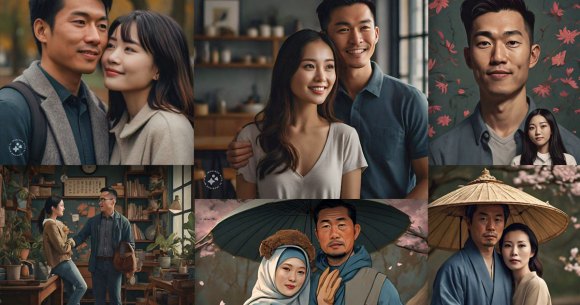
Decoding AMWF: The Complex Dynamics of Asian Men and White Women in Contemporary Love
Decoding AMWF Relationships Insights And Perspectives Myths Dynamics And Realities


