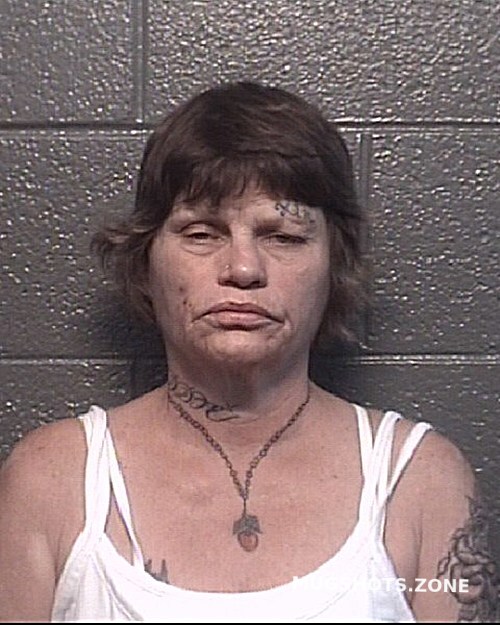
Arrest Photos Danville: Public Access, Privacy Rights, and the Ethics of Mugshot Publication
Arrest Photos Danville: Public Access, Privacy Rights, and the Ethics of Mugshot Publication
In Danville, Virginia, arrest photographs are routinely published online by local law enforcement and commercial sites, raising questions about privacy, accuracy, and public safety. These images, often taken at booking and shared widely through news outlets and third-party repositories, form a permanent digital record that can follow individuals for years. This article examines how these records are created, disseminated, and used, and why advocates are calling for reform.
The Booking Process and Photo Creation
When a person is taken into custody in Danville, standard booking procedures are followed by local jail or law enforcement personnel. This process is designed to identify and document the individual for administrative and security purposes.
- Photographs are typically captured at the detention facility, often by sheriff's office or police department staff using digital imaging equipment.
- These images include frontal and profile shots, intended to provide a clear visual record for identification.
- Along with the photos, authorities record personal details such as name, date of birth, address, and the alleged charges.
The resulting images are then entered into internal databases and, under Virginia state law, are generally considered public records. This legal framework means that, with limited exceptions, these photographs are accessible to anyone who requests them.
Dissemination: From Paper to Digital
The way arrest information is shared has transformed significantly over the past two decades, moving from physical ledgers to easily searchable online platforms.
- Local Law Enforcement: The Danville Police Department and the Pittsylvania County Sheriff's Office maintain online inmate databases. Visitors can search for current detainees and, in many cases, view booking photos directly on the agency website.
- Court Records: Arrest details are often linked to case information in the Virginia court system. While case files may contain more context, the booking photo remains a fixed element attached to the public docket.
- Commercial Aggregators: A significant portion of public access comes from private companies. These businesses scrape government websites, collect the photos and personal data, and publish them on high-traffic websites. The business model relies on advertising revenue generated from page views.
The ease of this digital sharing means that an arrest in Danville can be viewed in California or abroad within minutes of the booking process. While intended to promote transparency, this widespread availability creates a permanent snapshot of a moment that may not result in a conviction.
The Debate: Transparency vs. Rehabilitation
The publication of arrest photos sits at the intersection of two core democratic values: the public's right to know and the individual's right to privacy and due process.
Supporters of broad access argue that transparency is essential for government accountability. Citizens have a right to know who is being detained in their community and for what reason. Law enforcement officials often state that public access deters crime and builds trust.
Critics, however, point to the severe collateral consequences of these images circulating online. Unlike a charge that is dropped or a conviction that is expunged, a mugshot can linger indefinitely on the web. The debate often centers on the concept of "presumption of innocence." Once an image is online, it is difficult to remove, potentially prejudicing public opinion and affecting employment or housing opportunities long before a person is proven guilty in a court of law.
Legal and Ethical Considerations
The legal landscape surrounding mugshot publication is complex and evolving. While the records themselves are generally public, the commercial exploitation and targeted re-posting of images have drawn scrutiny.
- Right of Privacy: Legal scholars debate whether the widespread commercial use of booking photos constitutes an unlawful intrusion into personal privacy, especially when the image is published in a context that implies guilt.
- Defamation: If a photo is published with misleading captions or context that damages a person's reputation, it may give rise to defamation claims. However, these cases are difficult to win, particularly if the underlying arrest was lawful.
- Removal Efforts: In response to public outcry, some states have passed "eraser law" allowing individuals to seal or remove their mugshots under certain conditions. Virginia has seen legislative efforts aimed at regulating commercial mugshot sites, though enforcement and effectiveness vary.
Impact on Individuals and the Community
The digital footprint left by an arrest photo can have tangible, life-altering effects. For residents of Danville, the consequences can be particularly acute in a smaller community where news travels quickly.
A photograph published online can lead to social stigma, damage to personal relationships, and loss of employment. A person arrested for a non-violent offense, such as a drug possession charge, may face lifelong barriers to finding work or housing simply because a thumbnail image appears at the top of a web search. This creates a permanent digital scarlet letter that may not reflect the resolution of the legal case.
From a community perspective, the widespread availability of these photos can contribute to the stigmatization of entire neighborhoods. If a high number of arrest photos originate from a specific area, it can skew public perception of that community's safety and character, regardless of the actual crime statistics.Navigating the Digital Landscape
For individuals appearing in Danville arrest photos, navigating the digital aftermath can be challenging. While the internet provides a permanent record, there are steps one can take to mitigate the damage.
- Legal Counsel: Consulting with an attorney is the first step. A lawyer can advise on the specific charges, the likelihood of case outcomes, and the options for sealing records or requesting photo removal.
- Requesting Takedowns: Some commercial mugshot sites comply with requests for removal, particularly if the underlying case has been dismissed or the individual was found not guilty. However, this often requires formal written requests and, in some instances, payment.
- Monitoring Search Results: Individuals should be aware of their digital footprint. Searching for one's name periodically can help track the status of online images and identify new sites where the photo may appear.
Law enforcement agencies in Danville continue to review their policies regarding the release of booking information. Balancing the public's right to know with the protection of individual rights remains a delicate and ongoing challenge. As technology advances, the conversation about how we manage and perceive these images will likely continue to evolve.
Related Post
Uncovering the Truth Behind Arrest Photos Danville: A Comprehensive Look at the Controversy