Arritmia Cardiaca: Silent Threat or Manageable Condition? Unveiling the Truth Behind Heart Rhythm Disorders
Arritmia Cardiaca: Silent Threat or Manageable Condition? Unveiling the Truth Behind Heart Rhythm Disorders
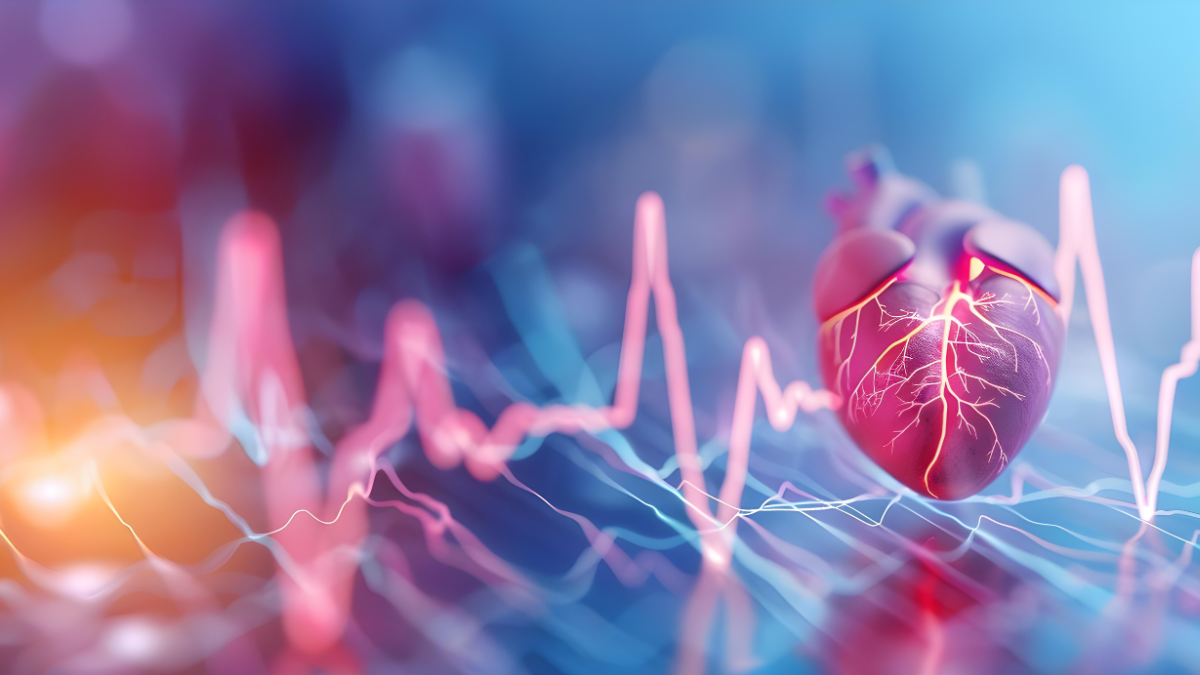
Arritmia Cardiaca, or cardiac arrhythmia, represents a disruption in the normal electrical rhythm of the heart, potentially leading to ineffective pumping and serious health complications. This condition ranges from benign, asymptomatic episodes to life-threatening emergencies requiring immediate intervention. Understanding the mechanisms, risk factors, and treatment options is crucial for early detection and effective management.
The human heart operates as a sophisticated electrical system, with each beat initiated by an orchestrated sequence of ionic currents flowing through specialized cardiac cells. When this precisely timed electrical conduction falters, the result is what clinicians term Arritmia Cardiaca—a condition affecting millions globally. While some individuals experience no noticeable symptoms, others may face dizziness, palpitations, or even sudden cardiac arrest. Modern cardiology offers a spectrum of diagnostic tools and therapeutic approaches, transforming what was once a uniformly fatal diagnosis into a manageable chronic condition for many patients.
Decoding the Electrical Chaos: Mechanisms of Cardiac Arrhythmia
To comprehend Arritmia Cardiaca, one must first understand the heart's intrinsic electrical physiology. The sinoatrial (SA) node, often called the natural pacemaker, generates electrical impulses that propagate through the atria, causing contraction. These impulses then reach the atrioventricular (AV) node, which delays transmission slightly to allow atrial emptying before ventricular contraction. The impulse then travels through the bundle of His and Purkinje fibers, ensuring coordinated ventricular systole.
Arrhythmias occur when this electrical system malfunctions at any point. The disruptions can be categorized broadly by their origin and rate:
1. **Tachyarrhythmias:** Characterized by a heart rate exceeding 100 beats per minute.
* **Atrial Fibrillation (AFib):** The most common serious arrhythmia, where the atria quiver instead of contracting effectively, increasing stroke risk.
* **Supraventricular Tachycardia (SVT):** A rapid heartbeat originating above the ventricles, often causing sudden palpitations.
* **Ventricular Tachycardia (VT):** A rapid rhythm originating in the ventricles, which can degenerate into Ventricular Fibrillation (VF), a immediately life-threatening condition.
2. **Bradyarrhythmias:** Characterized by a heart rate below 60 beats per minute.
* **Sick Sinus Syndrome:** Dysfunction of the SA node.
* **Heart Block:** Impaired conduction between the atria and ventricles, classified by degrees of severity.
"The heart's electrical system is remarkably resilient, but when critical nodes or pathways are damaged by ischemia, fibrosis, or metabolic imbalances, the resulting arrhythmia can destabilize the entire cardiovascular system," explains Dr. Elena Rodriguez, a cardiac electrophysiologist at Metropolitan General Hospital. "Our goal is to listen to the heart's electrical signature and interpret what story it is telling us."
Beyond Palpitations: Identifying Risk Factors and Symptoms
While the archetypal symptom of Arritmia Cardiaca is the sensation of a racing, fluttering, or pounding heart (palpitations), the clinical presentation is highly variable. Some patients report dizziness, lightheadedness, shortness of breath, chest pain, or unexplained fatigue. Others may experience syncope (fainting) or, in severe cases, sudden cardiac death without prior warning.
Risk factors for developing cardiac arrhythmias are multifaceted and often interrelated:
* **Cardiovascular Disease:** Coronary artery disease, heart attack, cardiomyopathy, heart failure, and prior heart surgery create scar tissue that disrupts electrical pathways.
* **Metabolic Disorders:** Thyroid dysfunction (hyperthyroidism is a common trigger), electrolyte imbalances (potassium, magnesium, calcium), and uncontrolled diabetes significantly influence cardiac excitability.
* **Lifestyle Factors:** Excessive caffeine or alcohol intake, tobacco use, chronic stress, and certain stimulant medications can provoke arrhythmias in susceptible individuals.
* **Genetic Predisposition:** Conditions like Long QT Syndrome, Brugada Syndrome, and Hypertrophic Cardiomyopathy are inherited arrhythmia syndymes that can affect otherwise healthy individuals, sometimes with devastating consequences during physical exertion.
Diagnosis typically begins with a standard 12-lead electrocardiogram (ECG/EKG), which captures the heart's electrical activity at a single moment. However, because arrhythmias can be paroxysmal (intermittent), longer-term monitoring is often necessary.
The Diagnostic Arsenal: Mapping the Heart's Electrical Activity
When symptoms suggest arrhythmia but standard ECGs are inconclusive, cardiologists employ a range of advanced diagnostic tools:
* **Holter Monitor:** A portable ECG device worn for 24 to 48 hours, continuously recording the heart's rhythm during daily activities.
* **Event Recorder:** Similar to a Holter but used for longer periods (weeks or months); the patient activates the device when symptoms occur.
* **Electrophysiology Study (EPS):** An invasive procedure where thin catheters are threaded through blood vessels to the heart. It maps the electrical pathways and can intentionally诱发 arrhythmias to pinpoint their origin and test potential treatments.
"EPS is our anatomical and electrical microscope for the heart," states Dr. Marcus Thorne, a leading EP at Cedars-Sinai Medical Center. "By stimulating the heart at precise locations, we can definitively diagnose the substrate of the arrhythmia and plan curative ablation with confidence."
Therapeutic Frontiers: From Pharmacotherapy to Catheter Ablation
Management of Arritmia Cardiaca is tailored to the type of arrhythmia, symptom severity, underlying heart condition, and stroke risk. Treatment paradigms include:
**1. Lifestyle Modifications and Risk Factor Management:**
For some, reducing caffeine, managing stress, treating sleep apnea, or optimizing thyroid function can significantly reduce arrhythmia burden.
**2. Pharmacotherapy:**
Antiarrhythmic drugs (e.g., amiodarone, sotalol, flecainide) work by altering ion channel function to stabilize the heart's electrical activity. Rate-control drugs like beta-blockers or calcium channel blockers (e.g., diltiazem) focus on slowing the heart rate rather than restoring normal rhythm.
**3. Catheter Ablation:**
This minimally invasive procedure has revolutionized the treatment of many arrhythmias, particularly SVT and AFib. Under local anesthesia and fluoroscopic guidance, a catheter delivers radiofrequency energy or cryotherapy to destroy (ablate) the small area of heart tissue causing the erratic electrical signals.
* **Success Rates:** Ablation boasts high success rates for many supraventricular arrhythmias, with cure rates exceeding 90% for typical AVNRT and AVRT.
* **Recovery:** Patients often return to normal activities within days, though strenuous exercise is usually restricted for a short period.
**4. Implantable Devices:**
For patients at high risk of sudden cardiac death due to ventricular arrhythmias, an Implantable Cardioverter-Defibrillator (ICD) is life-saving. The ICD continuously monitors the heart and delivers a shock if it detects a fatal rhythm. For severe bradyarrhythmias, a permanent pacemaker ensures the heart maintains an adequate rate.
Living with Arritmia: Patient Perspectives and Prognosis
The experience of living with cardiac arrhythmia is deeply personal. For Maria K., a 42-year-old teacher diagnosed with paroxysmal atrial fibrillation, the journey involved initial fear followed by empowered management.
"The first episode was terrifying. I thought I was having a heart attack. After the ablation, my life changed. I'm off most medications, and I haven't had an episode in over two years. It feels like I got my old self back," shares K. Her story underscores a critical modern reality: while arrhythmias are serious, they are not invariably debilitating or fatal.
Prognosis depends heavily on the specific arrhythmia, the presence of coexisting heart disease, and the efficacy of treatment. Atrial fibrillation, for instance, requires long-term anticoagulation to prevent stroke, even if symptoms are controlled. Ventricular arrhythmias in the context of significant heart failure necessitate a multidisciplinary approach involving medication, device therapy, and potentially advanced heart failure management.
Research continues to evolve the landscape of Arritmia Cardiaca. Innovations in catheter technology, such as contact force-sensing catheters and advanced 3D mapping systems, improve the precision and safety of ablations. Furthermore, ongoing studies into genetic markers promise earlier identification of individuals at risk for inherited arrhythmia syndromes, potentially allowing for prophylactic interventions before a first catastrophic event. The future of cardiac arrhythmia management lies in personalization—tailoring diagnosis and treatment to the individual's specific genetic, anatomic, and symptomatic profile. Through a combination of vigilant monitoring, cutting-edge technology, and patient education, the once-pervasive shadow of cardiac arrhythmia is increasingly being pushed back, allowing countless individuals to lead full, active lives.
Related Post

Rare and Lethal: Uncovering the Hidden Truths of Arritmia Cardiaca
Unlocking the Mystery of Abnormal Heart Rhythms: Understanding Arritmia Cardiaca

Carmen Carrera: A Star's Rise to Fame and Fortune

The Dark Side of High School Sports: Understanding the Risks and Consequences of Specialization