Astoria Queens Uncovered: Hidden Gems, Rich History & Real Neighborhood Truths
Astoria Queens Uncovered: Hidden Gems, Rich History & Real Neighborhood Truths
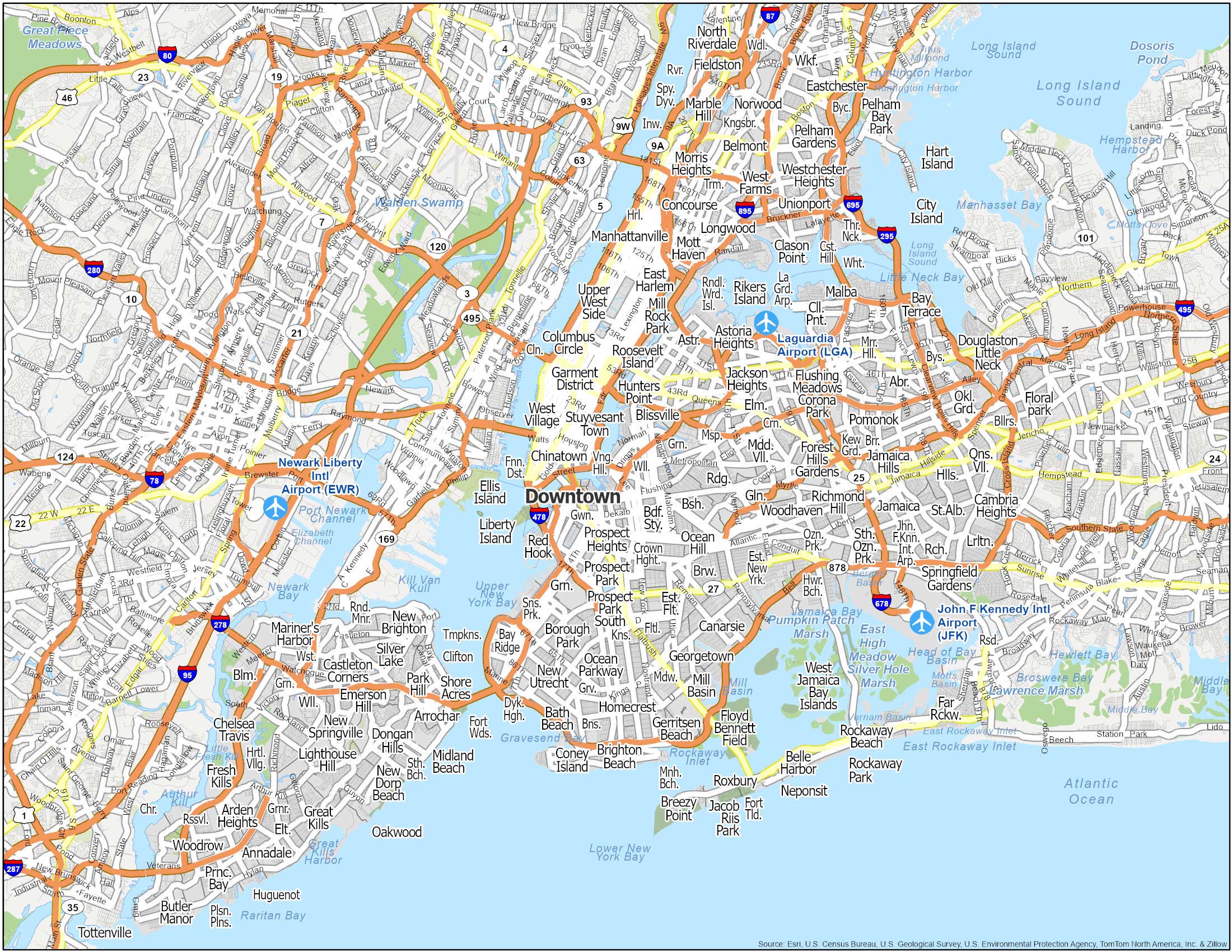
Astoria, Queens, is often framed as New York’s best-kept secret, a dense yet surprisingly livable neighborhood where Greek cafés meet hipster coffee shops along the East River. Just thirty minutes from Manhattan by subway, it balances gritty urban energy with waterfront charm and a layered immigrant history. This guide cuts through the hype to examine how Astoria evolved, what defines its streets today, and where it is headed next.
Astoria stretches along the East River in northwest Queens, hugging the shoreline between the Steinway Street corridor and the Hell Gate Bridge. Historically, it was farmland and marsh, but rail access and streetcar lines in the late nineteenth century opened it up to developers and migrants. Waves of Germans, Irish, Italians, and, most distinctively, Greek immigrants remade the area, establishing churches, bakeries, and civic institutions that still anchor community life. Today, a new wave of tech workers, artists, and families arriving from across the United States and abroad is reshaping the cultural and economic map.
The name Astoria itself is tied to John Jacob Astor, the fur magnate who bought the land in the early 1800s and hoped it would become a fashionable suburban retreat for New York elites. Developers later adopted the name to lend cachet to the growing neighborhood. For many decades, Astoria was a working-class mosaic, with blue-collar jobs in nearby factories, warehouses, and the Steinway piano factory, which still stands as a landmark. Since the 1960s, Greek immigrants have come to define Astoria’s public image, opening restaurants, bakeries, and ouzo bars that line twenty-third and twenty-fourth streets.
Housing in Astoria reflects its layered history, from historic brick townhouses to turn-of-the-century walk-ups and modern condo towers rising near the river. The neighborhood’s subway lines, particularly the N and W trains, make commuting to Manhattan feasible for a broad mix of residents. Local public schools, community health centers, and cultural associations offer services that keep life grounded even as rents climb. At the same time, small businesses rely on foot traffic from both longtime residents and visitors drawn by food festivals, street fairs, and the famous summer rooftop parties at neighborhood bars.
Neighborhood Texture: Streetscapes and Daily Life
Walk along Ditmars Boulevard or Steinway Street and you pass a dense collage of bodegas, bakeries, halal carts, and family-run delis. Apartment buildings vary from modest three-story walk-ups to sleek glass towers with doormen and rooftop pools. Many blocks are lined with mature trees, and tree pits often serve as informal social spaces where neighbors linger and chat. Street life peaks in the evenings and on weekends, when music from nearby restaurants spills onto sidewalks and multilingual conversations fill the air.
Astoria’s commercial corridors support an intricate ecosystem of shops and services. Greek diners, such as Kiki’s and Taverna Kyma, serve yiayia’s recipes to three generations of diners, while newer cafes experiment with third-wave coffee and vegan twists on classic dishes. Boutiques, record shops, and design studios cluster near the Vernon–Jackson corridor, drawing younger residents who want walkable access to work and leisure. Grocery stores carry products from multiple continents, with aisles stocked with olives, cheeses, spices, and specialty items that cater to diverse home kitchens.
The city has invested in open spaces and cultural anchors that knit the community together. Astoria Park, stretching along the East River, offers playing fields, a pool, and sweeping views of the Manhattan skyline and the Queensboro Bridge. Smaller parks, pocket gardens, and murals turn underused corners into neighborhood gathering spots. Seasonal events, from Greek festivals to outdoor film screenings, draw crowds that spill onto sidewalks and create a sense of shared place.
Demographics and Shifting Dynamics
Census data and local surveys show a neighborhood in transition. Historically home to a large Greek-born population, Astoria now includes growing numbers of young professionals, Latin American families, and recent arrivals from Asia and the Middle East. Housing cost burdens are rising, particularly for lower-income households, as market-rate development and conversion of older buildings into small studios accelerate. Activists and community organizers document these changes through tenant unions, advocacy campaigns, and public hearings that shape local policy.
Community leaders describe both challenges and opportunities in these shifts. As one member of a local civic association put it, “The neighborhood is changing faster than many of us expected, and we want growth that respects the people who built this place.” Residents often speak of tensions between preserving familiar institutions and welcoming new investment that can improve services and safety. Local groups have organized around issues such as building code enforcement, school quality, small-business protection, and environmental justice along the waterfront.
Housing policy plays a central role in these dynamics. Inclusionary zoning, community land trusts, and efforts to preserve affordable units shape who can stay and who must move as neighborhoods evolve. Rent-stabilized apartments remain a lifeline for many, though turnover and conversion to market rates put pressure on the overall supply. Longtime residents note that the character of Astoria has always been shaped by newcomers, but they emphasize the importance of policies that prevent displacement and ensure that existing residents can benefit from new amenities.
Economic Currents
Astoria’s economy has always been tied to its role as a transportation and distribution node. The proximity to the East River, rail lines, and major highways supported manufacturing and warehousing, even as some of these uses declined. Today, a mix of small manufacturers, creative firms, and tech startups share space with long-standing businesses. Commercial rents remain lower than in many Manhattan neighborhoods, attracting entrepreneurs who value access to transit and a diverse customer base.
The restaurant and nightlife sectors are among the most visible parts of the local economy. From hole-in-the-wall eateries to larger banquet halls, Astoria generates steady revenue and employs hundreds of residents. Food festivals, tasting events, and collaborations between chefs and local producers highlight the neighborhood’s culinary strengths. Tourism, driven largely by day-trippers and food enthusiasts, supports vendors, guides, and small cultural organizations that showcase Astoria’s history.
Business Resilience and Innovation
Local business owners describe cycles of boom and bust, often linked to broader economic trends and subway reliability. During downturns, some close or scale back, while others adapt by expanding delivery, online sales, or community-focused programming. Independent merchants credit tight networks of suppliers and customers with helping them survive challenges. A longtime bakery owner remarked, “We know our neighbors by name, and they know our names. That connection keeps us going when things get tough.”
The Waterfront: Industry, Ecology, and Public Access
Astoria’s relationship with the East River shapes much of its identity. The waterfront once hosted bustling industrial sites, from sugar refineries to manufacturing plants, leaving a legacy of infrastructure and environmental concerns. In recent decades, remediation projects and new parkland have opened sections of the shore to the public, offering recreational space and improved habitat. Activists and community planners continue to push for equitable access, arguing that waterfront benefits should reach all residents, not those closest to the water.
Recent proposals for large-scale development along the river have sparked debates about density, affordability, and environmental protection. Planners emphasize the need for green infrastructure, climate resilience, and public amenities that respond to community input. Residents weigh the promise of jobs and improved public spaces against concerns about traffic, noise, and the pace of change.
Case in Point: The Steinway Piano Factory
The Steinway & Sons factory, built in the 1870s and still operating in a limited capacity, represents both industrial legacy and ongoing adaptation. Tours and special events draw visitors, while interior spaces are gradually reimagined for mixed-use purposes. The complex illustrates how historic industrial buildings can be repurposed while retaining deep ties to Astoria’s economic past.
Culture, Identity, and the Arts
Astoria’s cultural life is shaped by its immigrant communities, artists, and institutions. Greek organizations, churches, and associations host festivals, language classes, and intergenerational gatherings that preserve traditions while incorporating new influences. Murals, performance spaces, and small galleries reflect the work of local artists, many of whom highlight themes of migration, belonging, and urban change. Public libraries and community centers serve as neutral grounds where diverse residents can meet, learn, and collaborate on projects.
Neighborhood groups and city agencies support arts initiatives through grants, partnerships, and shared spaces. Annual events, such as open studio tours and street fairs, showcase Astoria’s creative output and encourage dialogue between artists and the broader community. These efforts help maintain a distinct local culture even as the demographic mix evolves.
Looking Ahead
Astoria’s future will be shaped by how residents, businesses, and institutions navigate ongoing change. Pressures from rising costs, new development, and shifting citywide priorities will continue to influence the neighborhood’s character. Grassroots advocacy, thoughtful planning, and investment in community-led projects can help ensure that growth supports long-term residents alongside new arrivals. For now, Astoria remains a place where layered histories, everyday commerce, and public spaces coexist, offering a snapshot of how New York neighborhoods adapt while holding on to what makes them unique.
Related Post
Astoria Queens Demographics: The Shifting Tapestry of a Global Neighborhood
The Thriving Neighborhood of Astoria Queens: A Hub for Culture, Food, and Community