Behind the Booking: The Unblinking Reality of Celebrity Mug Shots
Behind the Booking: The Unblinking Reality of Celebrity Mug Shots
The stark gray backdrop and harsh lighting of a celebrity mug shot strip away fame, reducing stars to a single, anonymous object of legal scrutiny. These images, flashed across news sites worldwide, are more than tabloid fodder; they are official records signaling a collision between celebrity and the law. This examination explores the mechanics, consequences, and societal fixation on these public snapshots of fallibility.
The modern mug shot is a standardized biometric tool with a singular purpose: identification. In the digital age, the process is rarely artistic, but it is procedural. Upon arrest, an individual is processed through a police station or booking facility, where they are photographed, fingerprinted, and logged into a database.
A typical booking involves several steps, each designed to create an official record. The subject is usually brought into a controlled environment, often under bright, shadowless lighting to ensure clarity.
* Neutral expression is required to allow for facial recognition software to function.
* The head must be positioned at a specific angle to capture both profile views.
* Accessories like glasses or hats are often removed to avoid obscuring key facial features.
The resulting image is not a portrait; it is documentation. As former LAPD detective Mark Fuhrman noted in a discussion on police procedure, "The mug shot is the first objective truth in a narrative. It’s the visual anchor point for the entire case file." This objectivity, however, is frequently at odds with public perception.
The proliferation of celebrity mug shots has created a distinct sub-industry within media. Websites dedicated to aggregating these images see massive traffic spikes immediately following high-profile arrests. The allure is a complex mix of celebrity voyeurism and schadenfreude.
When a star is photographed in cuffs, the image triggers a rapid cascade of public reaction. The visual shock of a powerful figure rendered powerless is a potent cultural moment. This dynamic was evident in the booking of actor **Lindsay Lohan** in 2007. Her image, circulated globally, was less about the specific DUI charge and more about the visual confirmation of a personal struggle playing out in real-time.
* **Outrage:** The public expresses anger at the perceived moral failing of the celebrity.
* **Mockery:** Memes and jokes proliferate, turning the subject into a caricature.
* **Diagnosis:** Many viewers interpret the image as a sign of deeper personal instability or addiction issues.
The speed at which these images spread has fundamentally changed the nature of scandal. In the pre-digital era, news of an arrest might break with a phone call. Today, the photograph itself is the breaking news.
The legal weight of a mug shot is significant, despite the subject's fame. These images are entered into evidence and can influence public opinion long before a trial concludes. The presumption of innocence is often visually contradicted by the booking photo’s implication of guilt.
Consider the case of **Kylie Jenner** in 2a15bc legal trouble. Though the charges were eventually dropped, the initial booking photo circulated widely. For a week, the image dominated headlines, framing the narrative around a reckless teen rather than a young woman entitled to due process. This illustrates the mug shot's power to define a story before facts are known.
However, the use of these images is not without controversy. Critics argue that the constant circulation of celebrity mug shots contributes to the stigmatization of mental health issues and addiction.
When a celebrity is arrested for possession of narcotics, the photo is often accompanied by headlines that mock their appearance or question their stability. This raises ethical questions about the media's role. Are they reporting the news, or are they perpetuating a culture of public shaming? The line between journalism and exploitation is frequently blurred.
Furthermore, the permanence of the digital footprint means that these moments can haunt individuals for years. A mug shot from a decade ago can still surface in a Google image search, impacting career opportunities and public perception long after the legal matter has been resolved.
The fascination with celebrity mug shots reflects a broader cultural schism. On one hand, there is a desire to see the powerful held accountable. On the other, there is a market for the degradation of that power.
This tension is visible in the way networks cover these stories. A network might dedicate hours to analyzing the lighting of a mug shot, critiquing the subject's attire, or speculating on the legal fallout. In doing so, they amplify the image far beyond its original context.
The phenomenon shows no sign of slowing. As long as celebrities are cultural figures, their transgressions will be documented visually. The mug shot has evolved from a simple police record to a potent cultural artifact. It serves as a grim reminder that, in the court of public opinion, a photograph can be more damning than any testimony. The flashing lights of the booking room do not just capture a face; they capture a moment of vulnerability that the public eagerly consumes.
Related Post
Celebrity Mug Shots: The Unfiltered Visual Record of Fame’s Legal Reckoning

The Chevy Silverado With A California Bed: A Unique Truck That's Redefining the Meaning of 'Bed'
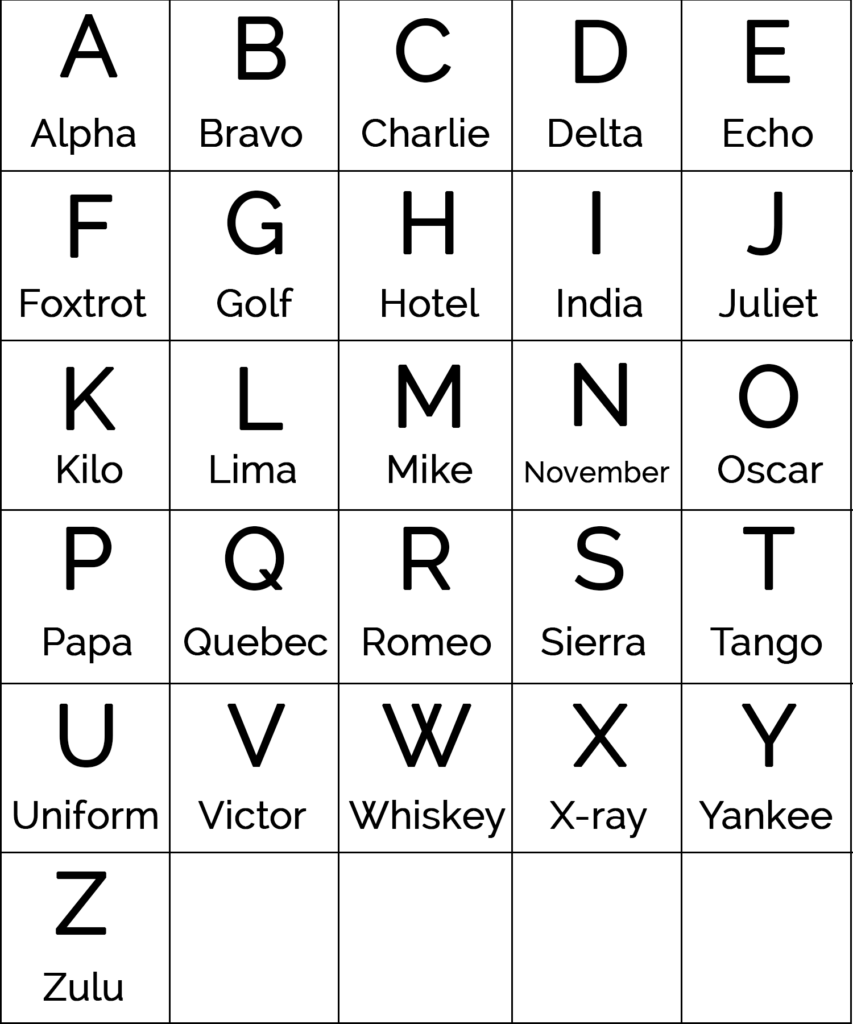
Unlocking the Meaning of Alfa Beta Gamma Delta: Understanding the Military Alphabet Codes

Uncovering the Truth: A Comprehensive Guide to Warrant Search Memphis Tn


