Beyond Happy, Sleepy, Bashful, Doc, Grumpy, Sneezy, and Dopey: The Complete History and Legacy of The 7 Dwarfs Names
Beyond Happy, Sleepy, Bashful, Doc, Grumpy, Sneezy, and Dopey: The Complete History and Legacy of The 7 Dwarfs Names
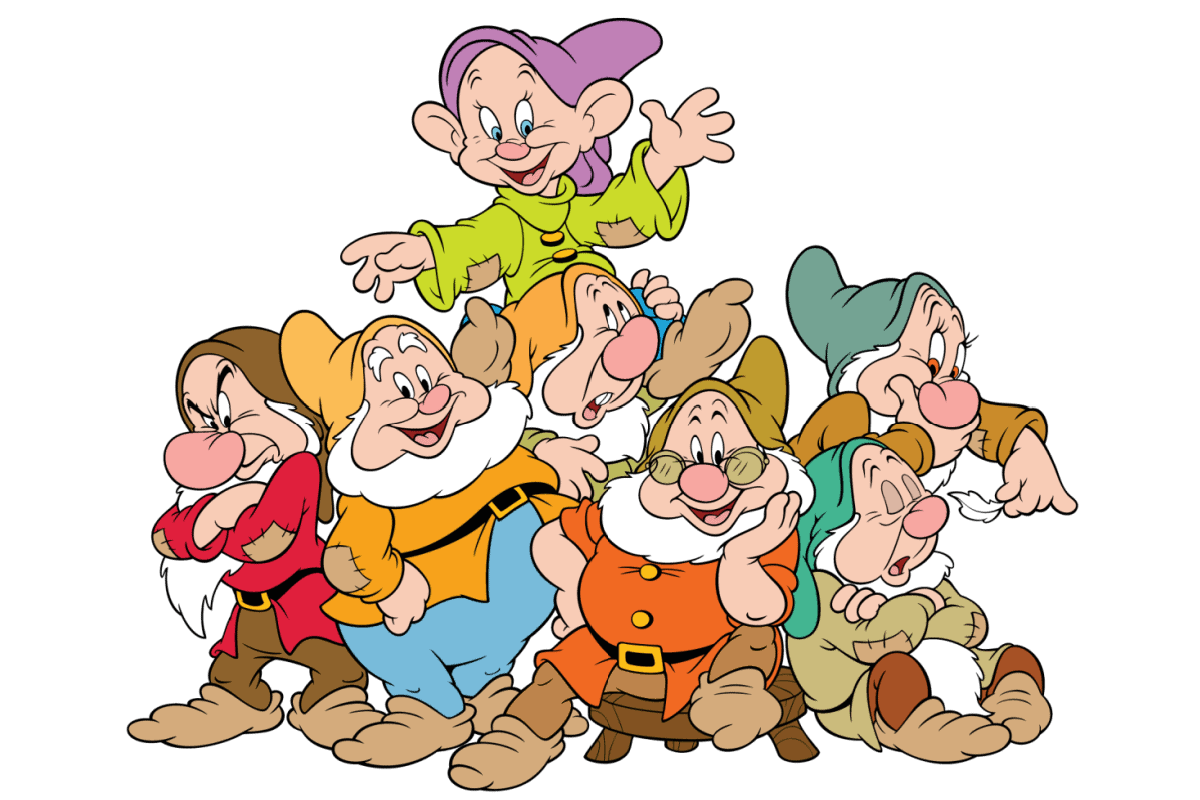
The identity of The 7 Dwarfs Names is one of the most recognizable pieces of pop culture trivia worldwide, etched into collective memory since 1937. These distinct monikers—Happy, Sleepy, Bashful, Doc, Grumpy, Sneezy, and Dopey—transcend their function as simple character labels to become archetypes of human personality. This article explores the meticulous creation process, the commercial and creative justifications behind each specific name, and the enduring cultural footprint these labels have left on subsequent generations.
The 1937 animated feature *Snow White and the Seven Dwarfs* was a monumental gamble for Walt Disney. Following the unprecedented success of *Steamboat Willie* and the Silly Symphonies shorts, the leap to a feature-length animated film was unprecedented in an industry where studios believed audiences would not sit still for more than 20 minutes. To mitigate this risk, Disney approached the task with a level of industrial rigor rarely seen in animation, treating the film as a "multi-plane opera" requiring a bible of character definitions. The names were not arbitrary; they were strategic tools designed to communicate character essence instantly to a mass audience.
The process of naming the dwarfs was evolutionary, moving from descriptive placeholders to a final suite of marketing-friendly identifiers. Initially, the characters were referred to simply by their function: "The Little Man," "The Fat One," and "The Bald One." Disney, however, understood that these labels failed to convey personality or warmth. He convened story meetings where names were tossed around like baseballs, discarded if they didn't click with the visual design or the film's moral tone.
Early documentation from the Walt Disney Archives reveals a fascinating trial-and-error phase. Names like "Jumpy," "Deafy," "Dizzey," "Hickey," "Fuddled," and "Peep" were considered and subsequently rejected. The rejection of "Deafy," for instance, was likely based on the grim realization that a hard-of-hearing dwarf might complicate the narrative tension, while "Jumpy" may have been deemed too similar to the hyperactive energy of a rabbit character than a miner. The goal was to find names that were both descriptive and linguistically musical, easy for children to chant and for radio hosts to pronounce in promotional broadcasts.
The final selection of The 7 Dwarfs Names was a masterclass in balancing clarity with character. Each name serves as a verbal shorthand for the dwarf’s primary trait, allowing animators and writers to shorthand complex personalities in a single word.
**Doc** was chosen to signify the elder statesman of the group, the would-be intellectual who wears glasses and attempts to pronounce big words, often incorrectly. His name immediately communicates authority and education, albeit comically flawed.
**Grumpy** is perhaps the most iconic, encapsulating a personality defined by opposition and cynicism. The name is an on-the-nose descriptor that leaves no room for misinterpretation, making him an instantly relatable figure for anyone who has encountered a pessimist.
**Happy** provides the necessary emotional counterpoint, a constant beam of optimism that balances the group's inherent curmudgeonliness.
**Sleepy** requires little explanation, his name perfectly encapsulating his perpetual state of drowsiness and fatigue.
**Bashful** is a straightforward admission of his timid nature, particularly regarding his affection for Snow White. The name removes the need for complex backstory to explain his blushing and stammering.
**Sneezy** is a literal medical diagnosis as a name, explaining the constant physical affliction that interrupts the group’s workflow and provides physical comedy.
**Dopey** stands apart from the rest linguistically. Largely mute throughout the film, his name does not describe a personality trait but rather a state of being. It suggests a childlike simplicity, a lack of guile, and a purity of heart that allows him to act without the cynicism of the others. As Disney historian John Grant notes in his analysis of the film's character design, "Dopey’s muteness and name were not setbacks but assets. They allowed the visual gags and expressive pantomime to speak louder than any dialogue could, creating a purity of character that resonated with audiences who projected their own understanding onto him."
The impact of these specific The 7 Dwarfs Names extended far beyond the 1937 film. They became a template for character branding, demonstrating that names could be powerful marketing devices. When the dwarfs appeared on merchandise—from dolls to lunchboxes—the names were the primary interface between the product and the child. A child didn't need to know the plot of the movie to recognize "Grumpy" on a box and understand the associated personality, often depicted with a scowl and a pocket watch.
This naming convention influenced subsequent animated ensembles for decades. The primary colors of personality in *The Simpsons*—Homer, Marge, Bart, Lisa, and Maggie—echo the simplistic clarity Disney pioneered. Similarly, the archetypal heroes in video games and animated series often rely on a "Grumpy," a "Brain," and a "Chuckler" to quickly orient the audience. The dwarfs proved that a name could be a narrative device, a joke, and a commercial asset all at once.
In the modern era, the legacy of these names is subject to scrutiny and revisionism. Recent live-action reinterpretations and dark fantasy adaptations often seek to "reimagine" the dwarfs with gritty, pseudo-Germanic names like "Thorin" or "Balin" to lend a sense of pseudo-historical weight. This trend highlights the difference between the functional names of the 1930s and the world-building names of contemporary fantasy. The original Disney names succeeded because they were accessible; the new names often succeed (or fail) based on their adherence to fantasy genre tropes.
Ultimately, the story of The 7 Dwarfs Names is a story about the evolution of media communication. What began as a necessary step in character development became a cultural lexicon. These seven words—Doc, Grumpy, Happy, Sleepy, Bashful, Sneezy, and Dopey—remain a testament to the power of precise language in storytelling. They are more than identifiers; they are the DNA of a cultural myth, compact vessels containing seventy years of jokes, lessons, and shared memories.
Related Post

Meet the 7 Dwarfs: Uncovering the Hidden Talents of Doc, Grumpy, Happy, Sleepy, Bashful, Sneezy, and Dopey

The Ultimate Guide to the 7 Dwarfs Names in Chronological Order
Uncovering the Magic of the 7 Dwarfs: A Journey Through the World of Disney's Beloved Characters
The Enchanting World of the 7 Dwarfs: Exploring the Lives and Careers of Doc, Grumpy, Happy, Sleepy, Bashful, Sneezy, and Dopey


