Beyond the Slime: How Nickelodeon Shows Forged a Global Empire and Redefined Children’s Television
Beyond the Slime: How Nickelodeon Shows Forged a Global Empire and Redefined Children’s Television
From the late-night mischief of “SpongeBob SquarePants” to the serialized drama of “The Legend of Korra,” Nickelodeon’s programming has evolved far beyond its 1977 origins as a local children’s test channel. What began as a bold experiment in commercial-free, viewer-centric entertainment has grown into a sprawling global media ecosystem that consistently redefines the boundaries of kids’ television. This article examines how a network built on unpredictable energy and creative risk-taking became a cultural institution, shaping multiple generations while navigating the demanding landscape of modern media.
The formative years of the network, then known as C-3, set the philosophical groundwork that would define its future success. Launched on December 1, 1977, as a test service on Warner Cable systems in Columbus, Ohio, it was initially designed to explore interactive television and children’s programming without the pressure of immediate profitability. The channel’s early identity was rooted in the radical concept of "putting the kid in control," a principle that distinguished it from the passive, advertiser-driven formulas dominating the 1980s landscape. This foundational belief in child agency manifested in simple but revolutionary programming blocks that encouraged participation rather than mere consumption.
When the channel officially rebranded as Nickelodeon on December 1, 1779, it inherited this ethos while embracing a more vibrant, energetic visual identity. The introduction of the iconic orange logo and the playful, green slime that became synonymous with the network signaled a deliberate shift toward content that was messy, unpredictable, and unapologetically fun. Programming like "You Can’t Do That on Television" tested boundaries with its early adoption of child-centric humor and improvisational format, while "Clarissa Explains It All" and "The Adventures of Pete & Pete" offered more nuanced, character-driven narratives that treated young audiences with surprising emotional depth.
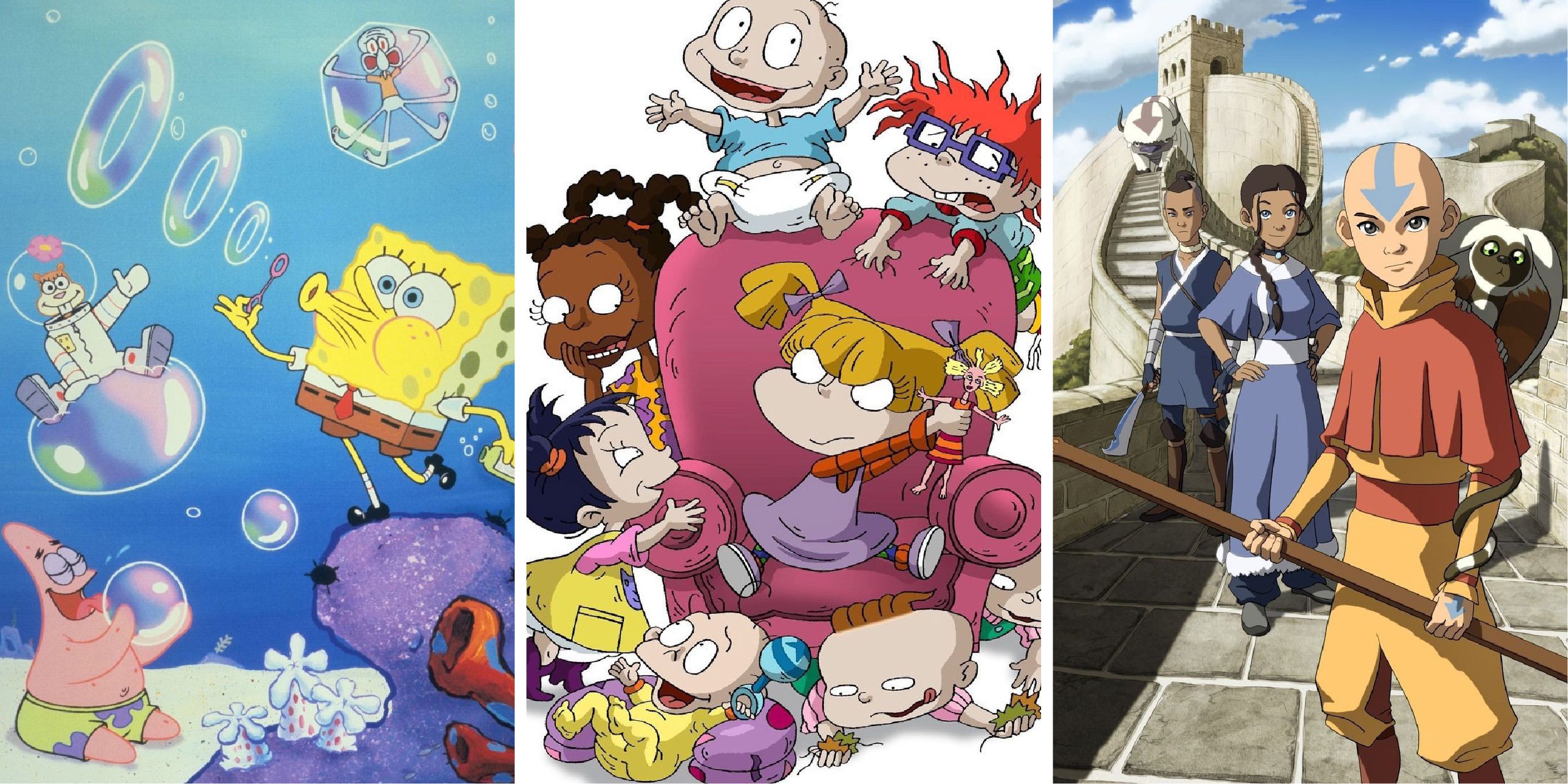
The 1990s represented a golden age of creative risk-taking and genre experimentation for the network. Shows like "Rugrats," which explored the world from a baby’s perspective, and "Hey Arnold!," which depicted the complex inner life of a child navigating urban life, demonstrated that animated series could tackle sophisticated themes without sacrificing humor or accessibility. Live-action programming during this era leaned into absurdist comedy and surreal storytelling, with "The Ren & Stimpy Show" pushing the envelope of what was considered appropriate for children’s television.
This period of innovation was not without its challenges, as the network frequently faced criticism from advocacy groups concerned about content and commercialism. However, the creative leadership, including influential figures like series creator Klasky Csupo for "Rugrats" and producer Mary Harrington, argued that this very boundary-pushing was essential for authentic storytelling. "We were trying to make the kind of shows that we would have wanted to watch when we were kids," reflected one anonymous producer from that era, "shows that respected the intelligence of the audience, even when that audience was, by definition, young."
The turn of the millennium ushered in a new era of animated dominance that redefined the network's global footprint. The premiere of "SpongeBob SquarePants" in 1999 marked a seismic shift, transforming from a quirky animated oddity into a cultural juggernaut that permeated every aspect of popular culture. Creator Stephen Hillenburg’s unique blend of aquatic biology, workplace satire, and surreal humor created a show with an astonishingly broad appeal that transcended its intended demographic. The character's journey from the ocean floor to global icon demonstrated Nickelodeon’s ability to generate content with unprecedented longevity and merchandising potential.
Simultaneously, the network expanded its live-action offerings with increasingly ambitious series that blended drama, comedy, and science fiction. "The Fresh Prince of Bel-Air" provided a groundbreaking template for using humor to address complex social issues, while "Kenan & Kel" and "All That" cultivated distinct comedic voices that influenced sketch comedy for a generation. The introduction of event programming like the "Nickelodeon Kids' Choice Awards" transformed viewership into participatory cultural moments, embedding the network deeper into the fabric of youth culture.
The digital revolution presented both unprecedented opportunities and existential threats to the traditional television model, forcing Nickelodeon to adapt its content strategy. The network embraced multi-platform storytelling, extending narratives beyond the thirty-minute episode through companion websites, mobile applications, and eventually streaming content. Franchises like "Avatar: The Last Airbender" demonstrated the potential for serialized storytelling in animated programming, tackling complex themes of war, genocide, and redemption with a sophistication rarely seen in children’s media. Series creator DiMartino and Konietzko’s approach to long-form narrative arcs influenced the industry’s understanding of what was possible within animated television.
The launch of the streaming service Paramount+ marked another pivotal transition point in the network’s evolution, creating a new ecosystem where classic content coexists with contemporary productions. This strategic shift acknowledges the changed viewing habits of younger audiences while attempting to monetize the vast library of iconic programming. Industry analysts note that this transition represents "the ongoing challenge of balancing legacy IP with the need to generate new, platform-specific content that resonates with digital-native audiences."
Today, Nickelodeon’s influence extends far beyond its cable channels, encompassing a vast portfolio that includes animated features, live-action films, theatrical productions, and a robust licensing operation. The continued production of new "SpongeBob" films, the expansion of the "TMNT" franchise, and the development of live-action adaptations of classic animated series demonstrate a commitment to evolving established properties while introducing entirely new concepts. This multifaceted approach has allowed the network to maintain relevance across increasingly fragmented media consumption patterns.
The network’s impact on popular culture is immeasurable, having launched the careers of countless performers, writers, and creators who define contemporary entertainment. From stand-up comedians who cut their teeth on sketch shows to voice actors who became global celebrities, the pipeline from Nickelodeon development to mainstream success remains robust. As the media landscape continues to evolve at an unprecedented pace, the legacy of risk-taking, audience respect, and unapologetic creativity that defined the network’s earliest years continues to influence its trajectory, ensuring that the spirit of that orange logo remains a powerful force in the world of children’s entertainment.
Related Post
Nickelodeon Shows 2000s: The Defining Decade of Childhood Nostalgia and Cultural Impact
Nickelodeon Shows List All: A Comprehensive Guide to the Network's Iconic Programming
The 00'S Nickelodeon Shows Renaissance Defining a Generation of Childhood
Retro Revival: The Enduring Legacy of Nickelodeon Shows from the 00s


