Broward Mugshots: The Digital Spotlight on Arrests in South Florida
Broward Mugshots: The Digital Spotlight on Arrests in South Florida
In Broward County, Florida, the public availability of arrest photographs, commonly known as mugshots, is a routine and legally grounded practice. These images, often published on law enforcement websites and commercial aggregation platforms, serve as immediate records of detention while raising ongoing questions about privacy, presumption of innocence, and public context. This article examines how the system operates in Broward, the stakeholders involved, and the implications for individuals and the community.
How the Broward Mugshots System Operates
The process begins at the point of arrest, when local agencies such as the Broward Sheriff's Office, Fort Lauderdale Police Department, and municipal police departments process individuals into custody. After booking, which includes fingerprinting and initial classification, a digital photograph is taken and integrated into agency records management systems. Under Florida public records law, these arrest images are generally considered public information.
Primary Publishing Channels
- Law Enforcement Portals: Official agency websites typically host an inmate lookup feature with current bookings and corresponding mugshots.
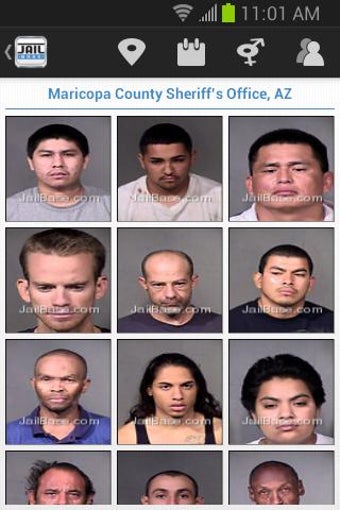
- Commercial Aggregator Sites: Third-party platforms collect images from official sources and publish them in searchable databases, often without requiring verification of case outcomes.
- Media Outlets: News organizations may republish images when reporting on specific incidents or high-profile cases, adhering to journalistic standards where applicable.
The infrastructure behind this visibility is largely automated. Once an image is uploaded to a law enforcement database, scraping tools and API integrations can quickly replicate it across numerous commercial sites, creating a persistent digital footprint that can surface in search results for years.
Legal and Policy Framework in Florida
Florida Statutes provide the foundation for the disclosure of arrest records and associated photographs. The state recognizes a strong presumption of openness in government records, with exemptions applied narrowly. Key points include:
- Arrest records themselves are public, as they are generated in the course of law enforcement activity.
- The judiciary has generally upheld the right of platforms to publish these records, viewing them as newsworthy and official information.
- Expungement or sealing of records can limit access, but only when a legal qualification is met and the necessary court orders are processed.
In practice, this means that even if charges are dismissed or a person is acquitted, the original images may remain easily accessible through commercial archives, creating a disconnect between legal status and digital presence.
Impacts on Individuals and Communities
The immediate availability of Broward mugshots can have tangible consequences for those depicted. Potential employers, landlords, and others conducting online research may encounter these images without context, leading to misjudgment or bias. Several concerns are frequently noted:
- Stigma and reputational harm, particularly in cases where charges are resolved favorably.
- Employment challenges, as some companies apply blanket restrictions regarding any arrest record or visible booking photo.
- Emotional distress and social isolation stemming from widespread visibility.
To illustrate, consider a hypothetical situation where an individual is arrested during a bar altercation, photographed, and released without charges. While the case may never proceed, the mugshot could appear in job application screenings, complicating efforts to move past the incident.
Disparities and Civil Rights Considerations
Research and advocacy suggest that the mugshot ecosystem does not affect all groups equally. Communities already subject to over-policing may experience heightened exposure, which can reinforce negative stereotypes and contribute to systemic bias. Civil liberties organizations have pointed out that the lack of contextual information on many commercial sites—such as charges filed, court outcomes, or racial demographics of those arrested—can skew public perception.
Some critics argue that the current model effectively monetizes personal distress, as individuals seeking to have images removed from commercial platforms often face fees or complex takedown processes. In response, a few counties and states have enacted laws requiring sites to remove mugshots unless they are linked to active legal proceedings or are in the public interest, though Florida has not yet adopted comprehensive statewide legislation specifically addressing this issue.
Recent Trends and Technological Changes
The landscape surrounding Broward mugshots continues to evolve with advances in data aggregation technology and shifts in public policy. Some jurisdictions within Florida have adjusted their publication practices, limiting the visibility of booking photos or adding explanatory text about case status. Meanwhile, artificial intelligence-driven image search and facial recognition tools raise new questions about how these photographs are stored, matched, and used beyond their initial purpose.
Agencies are also under increasing pressure to balance transparency with sensitivity. Guidelines emphasizing timely case resolution, clear public communication, and respectful handling of images are being refined in response to community feedback and emerging legal standards.
Navigating the System: Practical Guidance
For individuals concerned about the presence of a Broward mugshot online, several steps are available:
- Verify case status through official channels to understand the legal outcome.
- Contact the originating agency to inquire about policies regarding image retention or removal.
- Utilize takedown procedures offered by specific commercial sites where the image appears.
- Seek legal counsel if defamation or unlawful use of the image is suspected.
- Monitor personal digital footprints periodically to identify and address unintended exposure.
These actions require persistence, as the architecture of aggregation sites often complicates removal. Documentation and clear communication with both public and private entities can improve outcomes.
The Path Forward
As digital archiving becomes more sophisticated, the role of mugshots in public life grows more complex. Stakeholders in Broward County—including law enforcement, policymakers, technology providers, and community advocates—are engaged in ongoing dialogue about how to preserve accountability while protecting individual rights. Potential directions might include standardized expiration timelines for non-conviction images, enhanced context in publishing platforms, and coordinated efforts to reduce algorithmic amplification.
Ultimately, the conversation around Broward mugshots reflects broader questions about the balance between transparency and privacy in the digital age. Understanding the mechanics, implications, and evolving norms of this system is essential for anyone navigating the intersection of law, technology, and reputation in South Florida.
Related Post
Jailbase Broward Mugshots: The Ultimate Database for Public Access