Busted Mugshot: How Arrest Photos Go Viral and Why You Should Care
Busted Mugshot: How Arrest Photos Go Viral and Why You Should Care
An arrest photo known as a mugshot is no longer a quiet record tucked inside a police ledger—it is a digital artifact that can surface instantly online, shaping public perception and even careers before any verdict is rendered. From high-profile celebrities to ordinary workers, the proliferation of busted mugshot images on commercial websites has ignited debates about privacy, due process, and the economics of online reputation. This article examines how these photographs travel from booking rooms to browser tabs, who profits from them, and what this means for individuals and institutions in an age of permanent digital memory.
The modern mugshot traces its origins to late nineteenth-century police practices, when photographers documented suspects to aid identification and streamline investigations. Over time, standardized poses and lighting made these images reliable reference points for courts and law enforcement. Today, a typical booking includes a front and side profile shot, fingerprints, and personal identifiers, all intended to serve an administrative function rather than public consumption. As technology evolved, these controlled records escaped the precinct filing cabinet and entered the volatile ecosystem of the internet.
In the early 2000s, a handful of websites began to aggregate and publish mugshots, often charging fees for removal. These platforms built business models around the humiliation of arrest, turning what was once a procedural step into a searchable, monetized spectacle. While some operators claimed they simply mirrored government records, critics argued that the timing, placement, and aggressive search-engine optimization transformed these images into stigmatizing branding. A mugshot, once a neutral piece of evidence, could become the first and most lasting impression of a person in the public eye.
Mugshots differ from other types of police photography because they are designed for instant recognition and easy reproduction. The controlled backdrop, neutral expression, and clear lighting ensure that facial features are distinguishable, but they also strip away context and reduce a person to a single moment of alleged wrongdoing. Unlike candid news photos or courtroom images, booking portraits rarely convey the broader circumstances of an incident. Instead, they offer a stark visual shorthand that audiences readily interpret as guilt, regardless of charges, outcomes, or eventual exoneration.
The viral spread of a busted mugshot can be swift and unforgiving. Within hours, images can circulate on social media, comment threads, and aggregation sites, often detached from any accompanying narrative. Algorithms prioritize content that triggers strong reactions, and the embarrassment of an arrest photo fits that formula all too well. For individuals whose faces appear online, the consequences can include lost jobs, strained personal relationships, and persistent harassment, even if the charges are dropped or never filed. The speed of digital sharing outpaces the slower rhythms of legal processes, creating a mismatch between the fluidity of online discourse and the fixed milestones of courts.
Efforts to regulate mugshot sites have gained momentum as complaints about extortionate removal fees and reputational harm mount. Some jurisdictions now require websites to take down images if charges are dismissed or if the records are sealed, acknowledging that public access should not equate to permanent visibility. Yet enforcement remains uneven, and operators often relocate or rebrand to evade new rules. Legal scholars argue that balancing transparency with proportionality is crucial; the public has a legitimate interest in law enforcement activities, but that interest does not necessarily extend to commercial profiteering from a person’s most vulnerable moment.
High-profile cases illustrate the uneven impact of busted mugshots across different communities. Wealthy defendants can afford aggressive takedown firms and public relations campaigns, while low-income individuals may lack the resources to navigate complex removal processes. Marginalized groups often face heightened scrutiny, with mugshots reinforcing existing biases about race, class, and criminality. A celebrity may see a mugshot as a temporary setback, but for someone already facing structural disadvantages, the image can compound stigma and limit opportunities in ways that extend far beyond a single headline.
Beyond individual harm, the mugshot economy raises questions about institutional accountability and public trust. When law enforcement agencies rely on mugshots as primary identifiers, they risk conflating accusation with identity in the court of public opinion. Departments that issue images without considering downstream effects may inadvertently erode community confidence, particularly when incidents involve disputed facts or use of force. Responsible communication practices, including waiting for official charges and providing context, can help mitigate the most damaging consequences of widely circulated booking photos.
Technology companies have also faced pressure to adjust their platforms’ handling of sensitive content. Search engines have introduced mechanisms to de-prioritize mugshot results in response to removal requests, while some sites have voluntarily altered their practices under regulatory scrutiny. These shifts reflect a growing recognition that digital reputations carry real-world weight, but gaps remain. Individuals must often navigate bureaucratic systems and contradictory policies, highlighting the need for clearer standards and more humane design choices.
As the debate over busted mugshots continues, one point is increasingly clear: the line between legitimate record-keeping and public shaming is thinner than many assume. Policies that emphasize timeliness, proportionality, and context can help ensure that booking images serve their original purpose without becoming instruments of lasting punishment. For readers, the takeaway is equally important: a mugshot is a snapshot of a process, not a verdict, and treating it as such is essential for a fair and informed society.
Related Post
Travis County Busted Mugshots: The Hidden System Behind Public Arrest Records
Busted Mugshots Newspaper: The Hidden Costs and Lasting Impact of Public Arrest Records
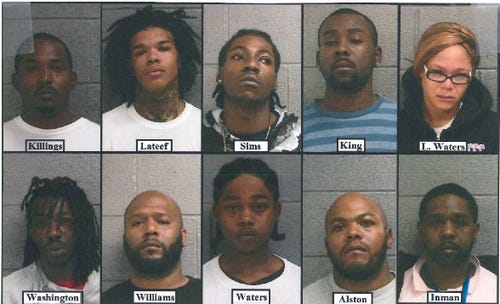
Daily Mugshot Dumps Damage to Individuals, Communities in Lorain County

Exposed: The Shocking Reality of Dubois County Arrests Busted Mugshots