Can A Personal Care Assistant Apply A Hot Pack? Safety, Scope, and Professional Guidelines
Can A Personal Care Assistant Apply A Hot Pack? Safety, Scope, and Professional Guidelines
Personal care assistants support clients with activities of daily living, but when does supportive care cross into clinical intervention. The question of whether a personal care assistant may apply a hot pack touches on scope of practice, patient safety, and liability. This article examines legal regulations, clinical guidelines, and training standards to clarify when this duty is appropriate and when it requires a licensed professional.
The role of a personal care assistant varies by jurisdiction and employer, yet most authorities distinguish between non-invasive personal care and tasks that carry medical risk. Understanding this boundary is essential for providers, clients, and supervisors to ensure safe, effective, and lawful care.
Defining the scope of practice for personal care assistants centers on core activities that support independence without requiring clinical judgment. Typical duties include assistance with bathing, dressing, grooming, toileting, meal preparation, and light household tasks. Many agencies also emphasize companionship, medication reminders, and transportation to appointments.
Applying a hot pack, however, introduces considerations beyond basic personal care. Heat therapy can affect circulation, tissue healing, and pain perception, and it may be contraindicated for certain medical conditions. Because of these physiological implications, regulators often classify the application of hot packs as a therapeutic intervention.
In the United States, state boards of nursing and professional licensing boards typically outline the difference between custodial care and skilled nursing. Personal care assistants are generally trained to provide custodial care, which focuses on comfort and safety. Therapeutic procedures, including heat or cold applications, often fall outside that scope unless the worker holds appropriate certifications.
Agencies that supply personal care assistants usually specify duties in detailed job descriptions and training manuals. These documents clarify whether heat applications are permitted and under what conditions. When in doubt, the standard guidance is to avoid clinical interventions unless explicitly authorized and properly trained.
Clinical reasoning is required to determine whether heat therapy is safe and appropriate for a specific client. Conditions such as deep vein thrombosis, peripheral vascular disease, diabetes with neuropathy, and certain skin infections can increase the risk of burns or worsen the underlying problem. A trained clinician assesses these factors before recommending heat or cold therapy.
Personal care assistants may observe and report changes in a client’s condition, but they generally should not initiate therapeutic modalities based on their assessment. For example, if a client complains of muscle stiffness, the assistant might note the location and timing of discomfort and inform a supervisor or nurse. That report can then guide a licensed professional’s decision to apply a hot pack or recommend another intervention.
Documentation further distinguishes routine care from clinical actions. Caregivers often record observations such as skin condition, mood, and mobility. Adding notes about the application of heat or cold typically requires a higher level of training and authorization, as it enters the realm of clinical documentation.
Training and certification standards help delineate what personal care assistants are permitted to do. Many programs cover basic anatomy, infection control, safe transfer techniques, and communication skills. Some include modules on recognizing changes in a client’s status and when to escalate concerns.
Specialized training in heat therapy, cold therapy, or rehabilitation techniques is usually provided to physical therapy aides or licensed professionals rather than personal care assistants. Employers that wish to expand a caregiver’s responsibilities may offer in-house training, but this does not replace formal licensure for clinical acts.
Liability and risk management are central to the decision of whether a personal care assistant should apply a hot pack. If an injury occurs due to a burn, exacerbation of a condition, or delayed treatment of a serious problem, questions of supervision and protocol arise. Agencies typically carry insurance that distinguishes between custodial care and skilled tasks. Performing a task outside authorized duties can jeopardize coverage.
Regulatory guidance varies by state and country. In some regions, personal care assistants may apply warm towels under direct supervision and with clear protocols. In others, even this simple intervention is reserved for staff with nursing or therapeutic qualifications.
Best practices for agencies and families include establishing written policies and providing clear training. Supervisors can outline exactly when heat applications are appropriate, specify temperature limits, and define reporting procedures for adverse effects. Clients and families should also understand the qualifications of their caregivers and feel comfortable asking about the scope of services.
Open communication between the client, family members, and the care team helps prevent misunderstandings. If heat therapy is part of the care plan, a clinician can document the order and instruct the personal care assistant on safe execution. This might include checking skin integrity before and after application, limiting duration, and monitoring for discomfort.
Real-world examples illustrate the complexity of this issue. In one case, a caregiver applied a heating pad to a client’s back without prior authorization, leading to a burn injury and a dispute over liability. In another, a home health agency permitted trained personal care assistants to use low-temperature heat packs for clients with musculoskeletal pain, following strict protocols and documentation requirements.
These scenarios highlight the importance of aligning duties with regulations, training, and client safety. Even when a task seems minor, the potential for harm requires careful consideration and professional oversight.
Advance care planning and individualized care plans play a key role in defining therapeutic interventions within personal care. An advance directive or supported decision-making document may specify preferences for pain management and comfort measures. When a hot pack is part of that plan, the personal care assistant can follow written instructions rather than making independent clinical decisions.
Electronic visit verification and time-stamped notes help agencies track what services were provided and by whom. This technology supports accountability and ensures that any therapeutic action is properly authorized and recorded.
The future of personal care assistance may include more integrated models where caregivers, nurses, and therapists collaborate closely. Telehealth tools and remote monitoring could allow personal care assistants to check in with clinicians in real time when questions about heat or cold therapy arise. Standardized training across the industry could also reduce confusion and improve consistency.
Ultimately, the answer to whether a personal care assistant can apply a hot pack is not universal. It depends on local laws, employer policies, the clinical condition of the client, and the training and supervision available. Balancing compassion and safety requires clear protocols, ongoing education, and respect for professional boundaries.
For clients and families, understanding these distinctions helps ensure that care remains both humane and appropriately skilled. For caregivers, clarity about duties protects both the recipient of care and the provider. The goal is a care environment where needs are met safely, responsibilities are well defined, and every intervention is grounded in evidence and professional standards.
Related Post

Unveiling The Secrets Of 5Starsstocks Com Defense: How This Platform Shields Investors from Market Volatility

Is Joe Lando Married in Real Life? The Truth Behind the Cast Member’s Relationship Status
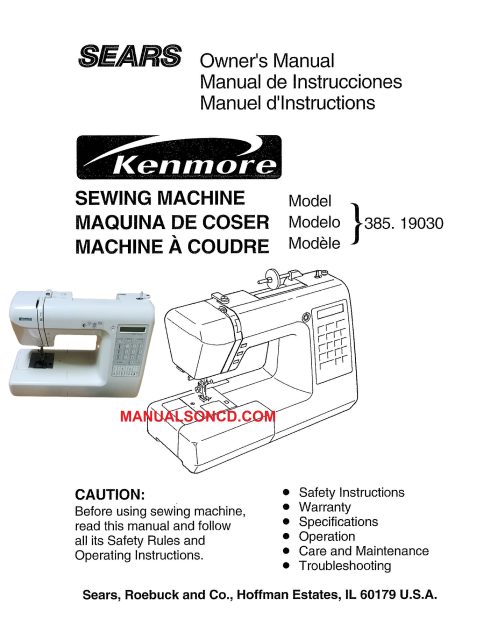
Kenmore Sewing Machine Model 385: Precision, Performance, and Profitable Stitching for Home Crafters

Benson Boone’s Defining Height: How His Stature Shapes Rising Star’s Public Identity