Can Chickens Eat Refried Beans? The Truth About Feeding This Staple
Can Chickens Eat Refried Beans? The Truth About Feeding This Staple
Commercial chicken keepers and backyard hobbyists often look for affordable, convenient ways to supplement poultry diets, and refried beans frequently appear in kitchen pantries. While these mashed legumes offer protein and energy, they also carry risks of excessive sodium, preservatives, and digestive distress if fed improperly. This article examines whether refried beans are a safe and nutritious treat for chickens, based on veterinary guidelines, poultry nutrition research, and practical feeding experience.
The short answer is that chickens can eat refried beans only on very strict conditions: the product must be plain, unsalted, unseasoned, and free of onion or garlic, and it should be provided only as an occasional supplement in small amounts. Because most commercially available refried beans are formulated for human taste—with salt, lard, sugar, and spices—they are generally more trouble than benefit for backyard flocks.
Evaluating the nutritional profile of refried beans helps explain why they are a mixed choice for poultry. Prepared from pinto or black beans, traditional refried beans deliver carbohydrates, plant protein, and fiber, which can support energy and digestion in chickens when balanced correctly. However, the typical human-oriented recipe includes salt, fats, and additives that far exceed the dietary needs of a small backyard bird.
Chickens require a diet carefully tuned to their life stage, with layer feeds or starter crumbles designed to meet precise levels of protein, calcium, vitamins, and minerals. These complete feeds should remain the foundation of any flock nutrition plan, making up roughly 80 to 90 percent of daily intake, while treats like fruits, vegetables, and grains should occupy the remaining 10 to 20 percent. Refried beans fall awkwardly into the treat category because their nutrient density is skewed toward salt and fat rather than the balanced minerals and amino acids chickens need.
The most significant concern with feeding refried beans to chickens is sodium content. Even a modest serving of canned refried beans can contain salt levels far beyond what a chicken’s kidneys can handle, especially in a bird that weighs only two to three kilograms. Excessive sodium leads to dehydration, kidney strain, reduced eggshell quality, and in severe cases, salt toxicity, which can cause neurological symptoms and sudden death.
Another risk comes from common preservatives and processing aids used in commercial refried beans. Ingredients such as sodium benzoate, artificial colorants, and stabilizer gums are intended to extend shelf life and improve texture for human consumers but have no proven safety profile for poultry in regular doses. While a small amount once in a while may not harm an otherwise healthy bird, chronic exposure to these additives can disrupt gut flora and reduce feed efficiency over time.
Flavorings and seasonings found in many refried bean varieties present an additional layer of danger. Garlic and onion, whether powdered, granulated, or fresh, are toxic to chickens in significant quantities because they damage red blood cells and can lead to anemia. Spices such as chili powder, cumin, or smoked paprika, while harmless to humans in small amounts, can irritate a chicken’s digestive tract and cause loose stools, reduced appetite, or lethargy.
Lard or hydrogenated oils used to improve the creamy texture of refried beans contribute unnecessary saturated fats to a chicken’s diet. Although fat is an essential energy source, an excess can cause weight gain, fatty liver syndrome, and decreased mobility, especially in birds kept in confinement with limited exercise. High-fat diets can also reduce the absorption of certain vitamins and shift the nutritional balance away from the lean protein sources chickens thrive on.
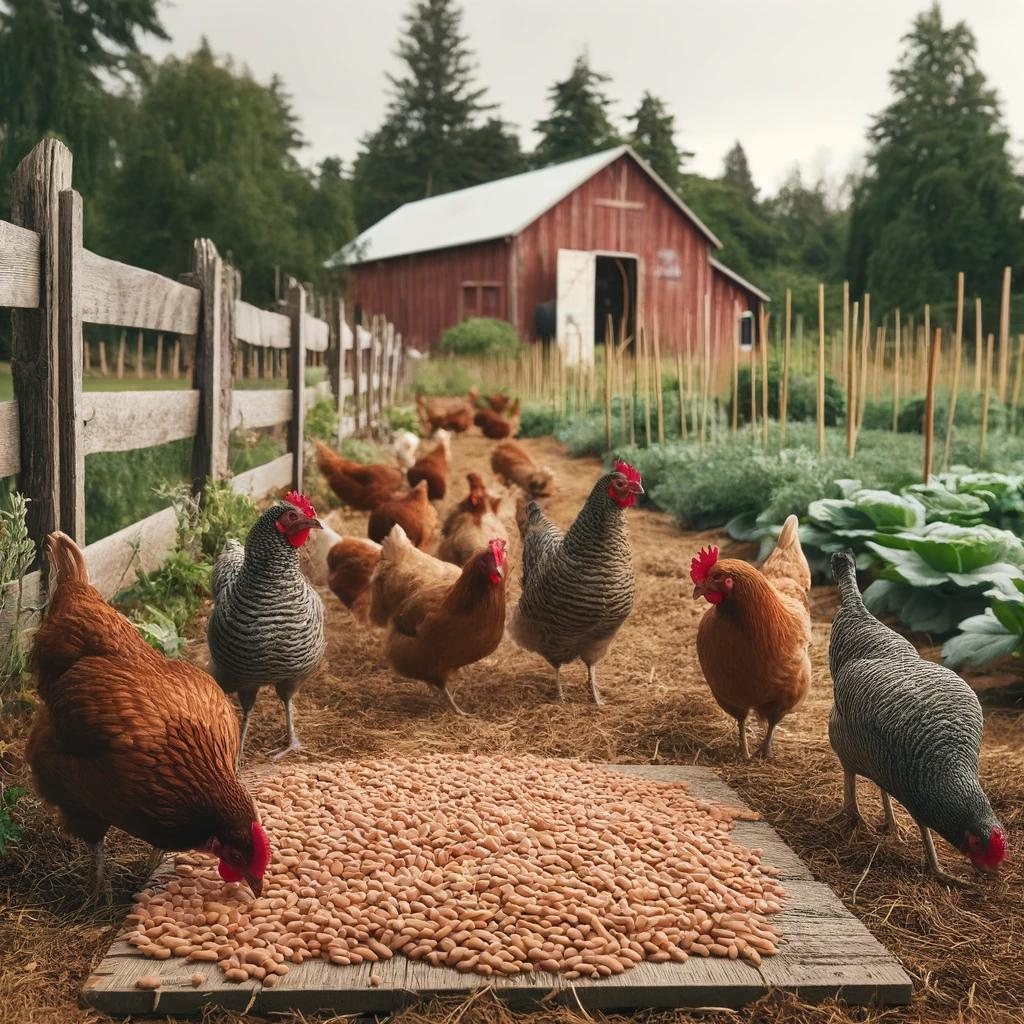
A safer approach is to offer cooked, unseasoned pinto or black beans directly from the pot, cooled and mashed without salt or fat. This method gives chickens the benefit of whole-food plant protein and fiber while avoiding the hidden dangers of processed ingredients. Alternatively, cooked lentils or peas, served plain and in moderation, can provide similar nutritional benefits without the risks associated with commercial refried beans.
When introducing any new human food to a flock, including plain beans, it is important to follow a strict testing protocol. Start by offering a small pinch to one or two curious hens and observe them for at least 24 hours for signs of digestive upset, changes in droppings, or lethargy. If the birds tolerate the food well, with no diarrhea, reduced water intake, or behavioral changes, it can be considered as an occasional treat rather than a staple.
Proper feeder management and portion control further reduce risks when feeding treats like refried beans. Treats should never be placed in feeders that are designed for complete layer rations, to prevent selective feeding and ensure birds do not fill up on low-nutrient options. Instead, serve small amounts on a clean tray or scattered on the ground to encourage natural foraging behavior while keeping the flock’s overall diet balanced.
Veterinary and poultry nutrition guidance consistently emphasizes moderation and simplicity when it comes to table scraps and human foods. As poultry nutrition specialist noted, “Chickens are hardy animals, but their digestive systems are not designed to process the same foods humans enjoy with seasoning and additives.” This principle applies directly to refried beans, where the gap between human preference and avian biology is significant.
In regions where homemade refried beans are common, some keepers choose to prepare a batch specifically for their flock by using plain, cooked beans, water, and minimal, if any, salt. This approach allows greater control over ingredients and eliminates the risk of onion, garlic, or heavy spices. Even then, many experts recommend limiting these homemade versions to a tiny fraction of the flock’s daily caloric intake.
For backyard producers interested in balancing cost-efficiency with flock health, there are many safer and more effective treat options than refried beans. Leafy greens, scratch grains, mealworms, and cooked rice or pasta can diversify the diet without introducing excess salt or questionable additives. These alternatives are widely available, easy to store, and more aligned with natural pecking instincts.
Monitoring flock health after occasional treats is one of the simplest ways to prevent nutrition-related problems. Keepers who notice soft-shelled or oddly shaped eggs, reduced activity, or changes in droppings should review both the composition and frequency of treats. Adjusting rations and replacing risky human foods with more suitable scraps can quickly restore balance and prevent long-term health issues.
Ultimately, the question of whether chickens can eat refried beans is less about a simple yes or no and more about responsible risk management. While a small taste of plain, homemade, low-salt refried beans is unlikely to harm a healthy adult chicken, the typical supermarket version is better left on the pantry shelf. By prioritizing species-appropriate feed, using treats only to stimulate natural behaviors, and avoiding heavily processed human foods, keepers support stronger, more productive flocks over the long term.
Related Post
Can Chickens Eat Refried Beans? The Ultimate Guide to Feeding Your Flock
Can Chickens Eat Refried Beans? The Surprising Truth Behind This Common Feathered Treat

Can Chickens Eat Refried Beans? The Ultimate Guide to Feeding Beans to Your Flock
Can Chickens Eat Refried Beans? A Deep Dive into Safe Feeding Practices


