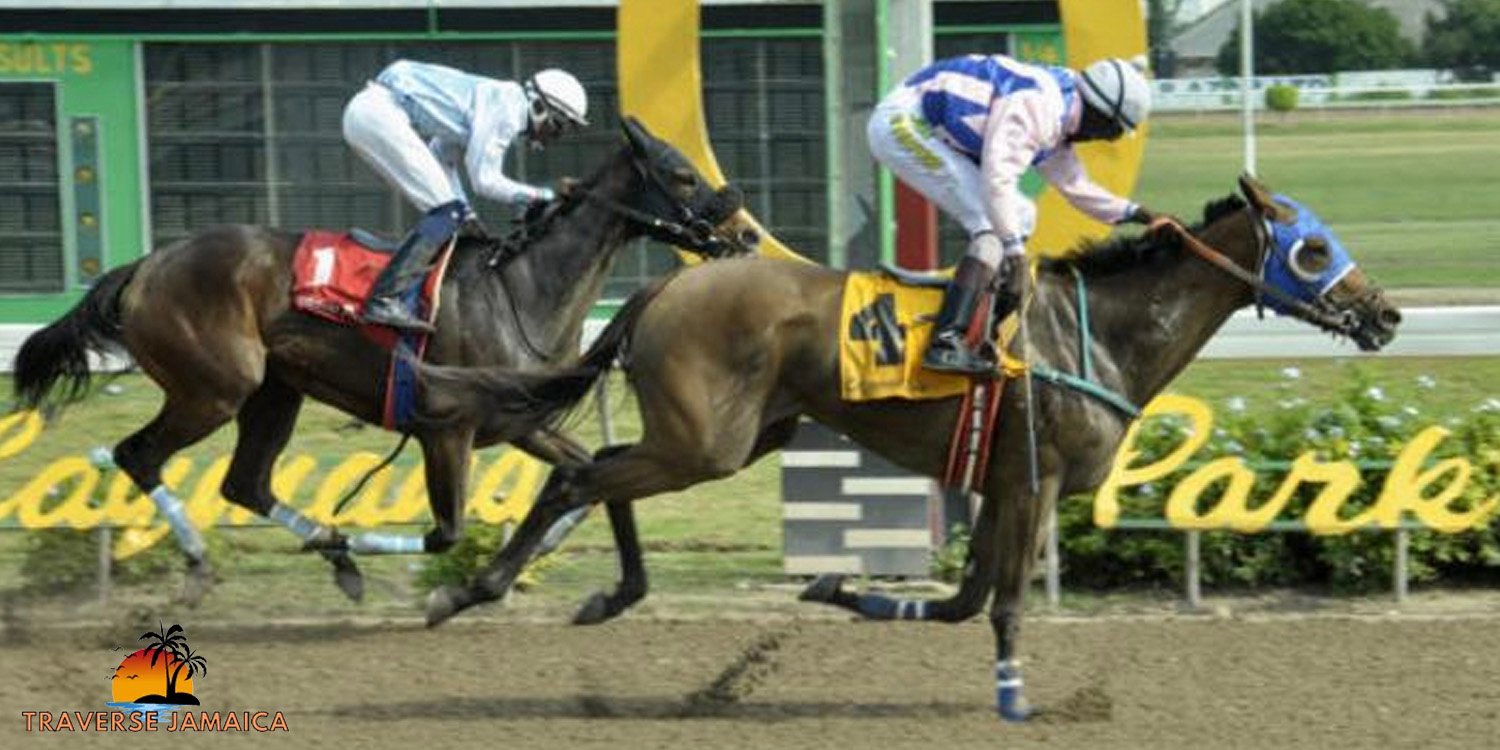
Caymanas Park at 50: How Jamaica’s Racecourse Survived Decade After Decade Of Uncertainty To Become An Economic Case Study
Caymanas Park at 50: How Jamaica’s Racecourse Survived Decade After Decade Of Uncertainty To Become An Economic Case Study
Located minutes from the bustle of Spanish Town and yet seemingly worlds away, Caymanas Park has functioned as both sanctuary and economic engine for generations of Jamaicans. More than just a venue for racing, the track has weathered colonial transitions, post-independence policy swings, financial crises, and fleeting privatization dreams to remain a rare long-standing example of stability in a volatile market. This is the story of how a colonial-era racetrack evolved into a national institution, navigated the decline of horse breeding, and now seeks relevance in an island obsessed with sprinting tracks and digital wallets.
In its early incarnation, Caymanas was less a leisure destination and more a piece of imperial infrastructure. Established in the late nineteenth century, the facility reflected the priorities of a colonial economy built on extractive industries and tightly controlled leisure spaces for the settler class. Over time, however, the grounds would become a rare site where Black jockeys, trainers, and support staff could operate with a degree of professionalism and visibility rarely afforded in other sectors of the Jamaican economy. The institution survived wars, shifting political tides, and repeated attempts to measure its worth purely in balance sheet terms, continually reinventing its role in Jamaican life.
The golden era of Caymanas Park is often loosely defined as the period between the 1960s and the late 1980s, when horse racing captured the imagination of the nation in a way that extended well beyond the elite crowds who first gathered on its grounds. During this time, the park was not merely a venue for betting but a cultural hub, where families dressed up for special race days and the thunder of hooves signaled both entertainment and potential windfall. The economic impact rippled outward, supporting breeders, farriers, veterinarians, and a network of small businesses that clustered around the racecourse on event days. At its peak, the park’s operations and the broader racing ecosystem provided informal employment and structured opportunity in a country still searching for sustainable models of growth.
As global tastes shifted and the economics of horse racing became increasingly difficult to sustain, Caymanas Park faced existential questions about its future. The consolidation of the sugar industry, changes in agricultural land use, and the rise of faster, more commercially attractive sporting events all contributed to a decline in thoroughbred breeding and racing culture across the island. Rather than fade away quietly, the facility entered a series of experimental phases, including flirtations with privatization and diversification proposals that promised to transform the land into anything from a logistics hub to a mixed-use development. Each proposal sparked debate about who truly benefits from the land and whether the park’s public value could be preserved amid mounting financial pressures.
In recent years, Caymanas Park has attempted to balance its heritage with the commercial realities of a twenty-first-century Jamaican economy. Corporate partnerships, themed racing events, and targeted marketing campaigns have sought to breathe new life into the grandstand, while the facility has also experimented with hosting concerts, community fairs, and other public gatherings to maximize usage of the aging infrastructure. Critics argue that these efforts, while necessary, operate on thin margins and remain vulnerable to the same cycles of neglect and underinvestment that have plagued the institution for decades. Supporters counter that in a country with limited physical infrastructure assets, the racecourse represents a tangible piece of national heritage that continues to generate economic activity and preserve a unique cultural tradition.
The economic footprint of Caymanas Park extends beyond the days when the crowd gathers to watch horses thunder down the track. On racing days, vendors, transporters, and service providers all converge on the grounds, creating a temporary but significant injection of activity into the surrounding region. The multiplier effect can be felt in markets, taxi depots, and even small roadside eateries that benefit from the influx of visitors traveling from across the island. Moreover, the park’s ongoing maintenance and limited racing schedule provide steady, if modest, employment for stable hands, security personnel, administrative staff, and facility managers, many of whom view the institution as one of the more reliable employers in their respective spheres.
To understand the resilience of Caymanas Park, it is necessary to examine the complex relationship between tradition and commercial pressure that defines so much of Jamaica’s development trajectory. Unlike many colonial institutions that were discarded or repurposed immediately after independence, the racecourse has persisted precisely because it has been periodically reimagined rather than simply discarded. Attempts to modernize the experience, from improved seating to digital ticketing systems, reflect an acknowledgment that the facility cannot remain frozen in time if it is to remain financially viable. Yet each modernization carries the risk of diluting the very character that has sustained its loyal base of patrons who view the track as an irreplaceable part of the Jamaican story.
The future of Caymanas Park remains uncertain, shaped by the same macroeconomic forces that have challenged state-owned enterprises and small businesses across the island. Discussions about land use, tax policy, and the regulation of gaming activities continue to frame the terms of debate around the facility’s long-term role in the national landscape. For advocates, the park represents more than an aging relic; it is proof that an institution can adapt without surrendering its core identity. As Jamaica continues to search for inclusive growth models that honor history while embracing innovation, the endurance of Caymanas Park offers both a practical example and a challenging reminder of how difficult it can be to preserve public value in a rapidly changing economy.
Related Post
The Thrilling World of Horse Racing at Caymanas Park Race Track Limited: Where Passion Meets Precision