Chino Ca: Unlocking the Economic and Strategic Potential of California’s Next Growth Frontier
Chino Ca: Unlocking the Economic and Strategic Potential of California’s Next Growth Frontier
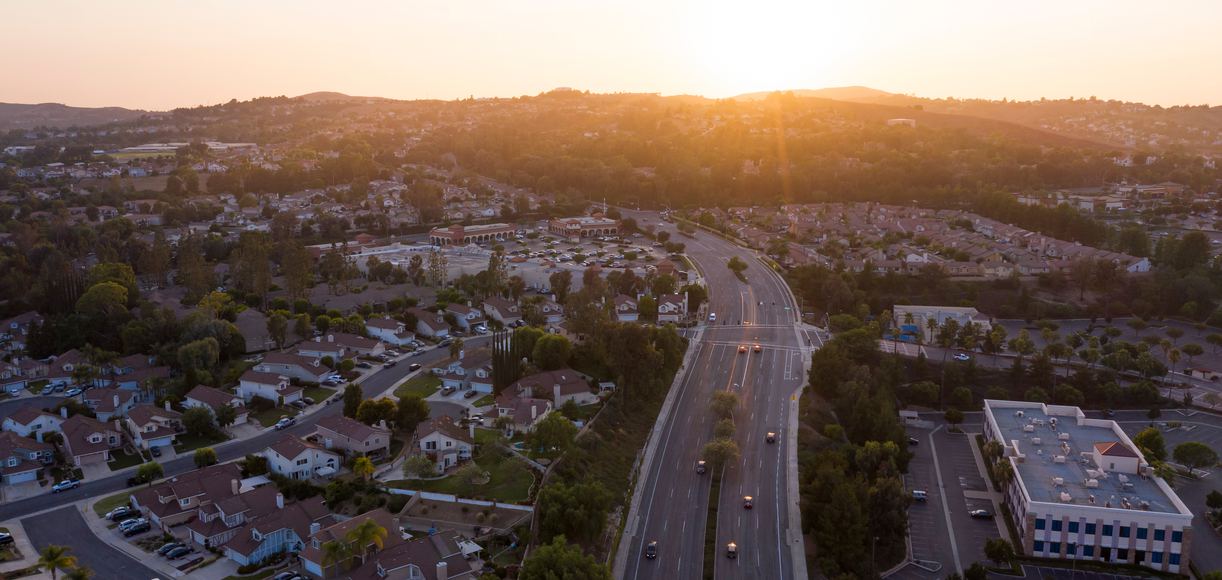
Chino sits at a pivotal inflection point where logistics, manufacturing, and housing converge to redefine the Inland Empire’s economic trajectory. As developers repurpose former dairy farms and rail corridors, the city balances growth with infrastructure demands and environmental responsibilities. This article examines how Chino is leveraging its location, land availability, and transit investments to position itself as a resilient hub for business and residents.
The city’s transformation is driven by a rare combination of available land, proximity to major ports, and targeted public investment. Unlike older, constrained suburbs, Chino offers large parcels that attract regional logistics and light industrial users seeking both scale and connectivity. Local officials describe the area not as a bedroom community but as a working node in the global supply chain, where goods move from ports to warehouses to consumers with minimal friction.
In 2023, Chino’s median household income lagged behind neighboring cities, yet commercial vacancy remained near historic lows as e‑commerce and regional warehousing expanded. Housing advocates argue that new residential projects must keep pace with employment growth to avoid long‑term affordability strain. City planners counter that phased development—residential clusters near transit and mixed‑use nodes—can align jobs and homes without compromising fiscal stability.
Logistics and industrial development form the backbone of Chino’s contemporary economy. The proximity of the Ports of Los Angeles and Long Beach, combined with access to Interstate 10 and the Union Pacific mainline, turns Chino into a natural staging ground for regional distribution. A new intermodal facility under development will link rail directly to major warehouses, reducing truck miles and easing congestion on local roads.
Major tenants include temperature‑controlled storage for pharmaceuticals, cross‑dock operations for consumer goods, and a growing portfolio of last‑mile micro‑fulfillment centers. Industry experts note that the e‑commerce surge has compressed delivery timelines from days to hours, forcing logistics operators to position inventory closer to population centers. Chino’s flat terrain and wide road networks allow for efficient site design, layout optimization, and rapid movement of freight within secure perimeters.
Chino hosts several inland ports and rail‑served sites that reduce drayage costs for shippers. Private developers have announced expansions of existing industrial parks to accommodate specialized cold chain and pharmaceutical storage, sectors that require stringent environmental controls. The synergy between rail and highway access minimizes the carbon intensity of freight movement compared with relying solely on long‑haul trucks. Economic impact studies commissioned by the city project thousands of new jobs in operations, maintenance, and logistics management over the next decade.
Housing in Chino reflects the broader affordability pressures across the Inland Empire, where rising home prices have pushed buyers and renters toward more affordable inland cities. New residential projects emphasize a blend of ownership and rental units, with design guidelines that aim to create walkable neighborhoods around future commercial centers. The city’s updated General Plan prioritizes infill development along transit corridors to avoid sprawl into agricultural and open‑space lands.
Planners note that careful coordination between public works, schools, and emergency services is essential to absorb demographic change without degrading quality of life. Multifamily projects include community facilities, parks, and shaded streetscapes to mitigate heat island effects common in the region. Resident feedback sessions have highlighted the need for more parks, safer crossings, and reliable transit connections to job centers beyond the immediate area.
Environmental considerations shape land use decisions as much as market dynamics. Chino lies within the Santa Ana River watershed, where water quality and flood control are priorities for both regulators and developers. Low‑impact development techniques such as bioswales, permeable pavements, and retention basins are increasingly required in new projects to capture stormwater and reduce downstream pollution. Air quality agencies have pressed the city to limit diesel emissions from freight movement, prompting investments in electric terminal tractors and cleaner yard equipment.
The city’s Climate Action Plan sets targets for greenhouse gas reductions through a mix of electrification, mode shift to rail, and energy‑efficient building standards. Developers pursuing large mixed‑use projects must demonstrate compliance with state emissions limits and resilience standards for extreme heat and flooding. Public works crews are upgrading street lighting to LED systems and expanding tree canopy in hot spots along major arterials.
Chino’s position within the Inland Empire’s logistics network amplifies its strategic importance for regional trade. The convergence of rail, highway, and emerging micro‑mobility corridors creates a layered transportation ecosystem that can adapt to shifting demand patterns. Nearby universities and community colleges are aligning workforce programs with logistics, engineering, and advanced manufacturing needs to ensure a pipeline of skilled technicians and operations managers. Public‑private partnerships are testing new freight delivery models that prioritize efficiency, safety, and reduced emissions.
Beyond brick‑and‑mortar development, Chino is investing in digital infrastructure to support modern commerce. Fiber‑optic networks and 5G coverage enable real‑time tracking of shipments, automated inventory management, and improved coordination among warehouses. Economic development staff work closely with businesses to streamline permitting and navigate complex regulatory requirements. Business leaders emphasize that predictable rules and timely approvals are critical to attracting investment that creates long‑term employment.
The city’s future growth will depend on its ability to manage competing priorities: expanding opportunity, preserving fiscal health, and protecting neighborhood character. Stakeholders across government, labor, and civil society will need to collaborate on metrics that track progress on jobs, housing, mobility, and environmental outcomes. As Chino continues to evolve, its experience offers lessons for other communities seeking to harness logistics and industrial development while safeguarding public interests.
Related Post

Debunking the Mystery: Is Chino, CA Actually in San Bernardino County?
Chino California: From Dairy Farms to Logistics Hub, The Untold Story of the Quiet Economic Engine

Uncovering the Hidden Gem of Chino, California: A Thriving Community in the Inland Empire