Choi Jin-Hyuk: From Steady Supporting Actor to Calculated Risk-Taker in Pursuit of Artistic Autonomy
Choi Jin-Hyuk: From Steady Supporting Actor to Calculated Risk-Taker in Pursuit of Artistic Autonomy
For over a decade, Choi Jin-Hyuk has navigated the Korean entertainment landscape with a reputation for professionalism and reliability. Initially recognized for robust supporting performances, the actor has gradually pivoted toward more complex leading roles, actively reshaping his public image. This article examines his career trajectory, analyzing the strategic decisions and pivotal projects that illustrate a deliberate move from safe choices to a quest for substantive artistic expression.
The moniker "Scene Stealer" is frequently attached to Choi Jin-Hyuk, a label earned not through ostentation but through an undeniable screen presence. His ability to command a frame without resorting to exaggerated methods has made him a consistent draw across genres. Understanding his journey requires looking beyond surface-level charm to the disciplined actor who treats each role as a study in human contradiction.
The Formative Years: Building a Foundation on Reliability
Choi Jin-Hyuk's early career was defined by a series of competent, often physically demanding roles that established his work ethic. He did not arrive as a overnight sensation but rather as a steady presence willing to take on unglamorous assignments to hone his craft. This period was less about seeking fame and more about accumulating the tools necessary for a sustainable career in a notoriously volatile industry.
His initial foray into television featured appearances in series such as "The Scandal" (2013) and "Pride and Prejudice" (2014). These were not lead roles but rather significant supporting parts that allowed him to demonstrate range. He played the composed secretary in "Pride and Prejudice," a stark contrast to the intense, dramatic turns he would later become known for. This phase was crucial; it taught him the rhythm of production and the nuances of character development within a structured narrative framework.
A turning point arrived with "Hur Jun, The Original Story" (2013), where he took on a historical role. Immersing himself in the period required rigorous training and research, a practice that would become a hallmark of his approach. He treated historical costumes not as costumes but as artifacts of a specific time, insisting on understanding the socio-political context of his characters. This meticulous preparation signaled a shift from merely acting to embodying.
The physical demands of "Healer" (2014-2015) further solidified his reputation. As a chase-driven drama, the series placed immense physical strain on its lead actor. Performing his own stunts and enduring grueling filming schedules demonstrated a commitment that resonated with both directors and viewers. The success of "Healer" was not just a box office triumph; it was a testament to his durability and willingness to push his limits for the sake of authenticity.
The Calculated Pivot: Moving from Support to Sovereignty
With a established audience, Choi Jin-Hyuk faced a critical juncture: continue in reliable supporting roles or venture into the risky territory of a protagonist. His transition was methodical, marked by a series of choices that prioritized character complexity over commercial safety. This was not a rebellion but a calculated evolution, reflecting a deep understanding of the industry and his own value.
His first major leading role came with "The Midnight Beast" (2016), a drama that explored the dark underbelly of the entertainment industry. The role of a tormented musician required a level of vulnerability and intensity that was a departure from his previous characters. Critics noted a newfound depth in his performance, with one reviewer stating, "Choi Jin-Hyuk sheds his reliable facade, revealing an actor capable of conveying profound despair with unsettling stillness." The series, while not a massive ratings hit, was a critical stepping stone.
This was followed by "Bad Thief, Good Thief" (2017), where he played a con artist. The role demanded a charismatic swagger, but Choi infused it with a surprising layer of pathos. He understood that a thief is often a victim of circumstance, and he portrayed this duality with nuance. His performance here was a clear indicator that he was no longer just a capable supporting actor but a leading man capable of carrying a narrative centered on moral ambiguity.
Strategic Genre Exploration: Proving Versatility
To cement his status as a leading actor, Choi Jin-Hyuk deliberately sought out projects in disparate genres. This strategy was designed to combat typecasting and prove his adaptability. By jumping from the criminal underworld of "Bad Thief, Good Thief" to the high-stakes world of finance in "Money Game" (2019), he demonstrated a willingness to challenge himself.
"Money Game" was particularly significant. The series offered a grim, realistic look at the financial sector, a far cry from the romantic comedies and action dramas that often dominate primetime. His portrayal of a trader on the edge of ruin required a subtle, internalized performance. He conveyed panic and determination through minute facial expressions and controlled dialogue delivery. As he remarked in a rare interview, "I am fascinated by the pressure cooker environment of high finance. The mathematics of greed and desperation is a compelling drama in itself."
His foray into the thriller genre with works like "The Failing" (2021) further showcased his ability to sustain tension. In horror and thriller films, physicality is often key, but Choi brought a psychological weight to his roles. He did not rely on jump scares but rather on creating an atmosphere of unease through his piercing gaze and deliberate pacing. This versatility—from the stoic hero to the morally bankrupt financier—solidified his reputation as a serious actor dedicated to craft.
The Pursuit of Autonomy: Directorial Debut and Future Vision
The most recent evolution in Choi Jin-Hyuk's career points toward a desire for greater control over his creative output. Moving beyond acting, he has begun to explore directing, a logical next step for an actor who has always been deeply invested in the storytelling process. This move represents a shift from being a vessel for a director's vision to becoming the author of his own projects.
His directorial debut, a short film titled *The Distance Between Us*, premiered at a local festival to positive reviews. The project was a passion piece, allowing him to explore themes of isolation and connection that have subtly permeated his acting work. This transition is indicative of a broader ambition: to have a holistic influence on the narratives he helps bring to life.
Looking ahead, Choi Jin-Hyuk appears poised to continue his trajectory of artistic growth. He has moved from being a dependable character actor to a leading man with a distinct point of view. His choices suggest a preference for challenging material that demands emotional and intellectual investment. In an industry that often rewards conformity, his path offers a compelling case for calculated risk-taking. As he continues to navigate the complexities of his career, one thing remains clear: Choi Jin-Hyuk is an actor in pursuit of not just roles, but a legacy.
Related Post
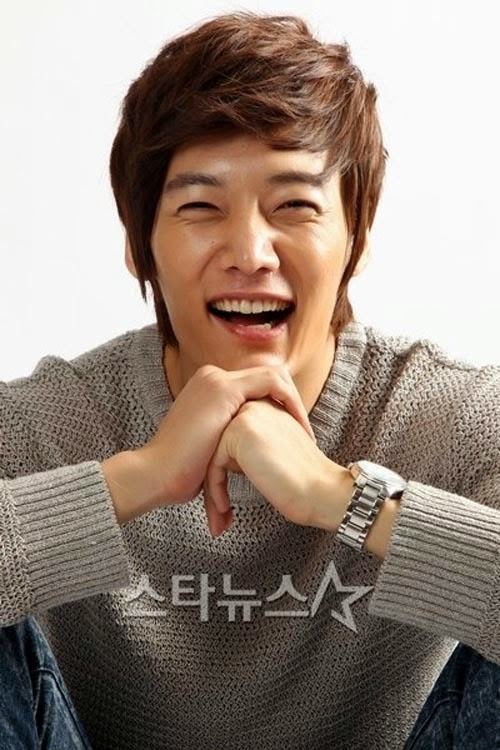
Unveiling the Private Life of Choi Jin-Hyuk: Who Is His Wife and What's Her Role in His Blossoming Career?

The Enduring Legacy of Barbara Dean Anderson: Wife of Richard Dean Anderson and Architect of a Quiet Literary Presence

Matt Bomer Husband: The Quiet Commitment of a Hollywood Seminarian-Man

From Room to Revelation: How Cast On “CSI: NYC” Brings Crime Scene Precision to Real Life