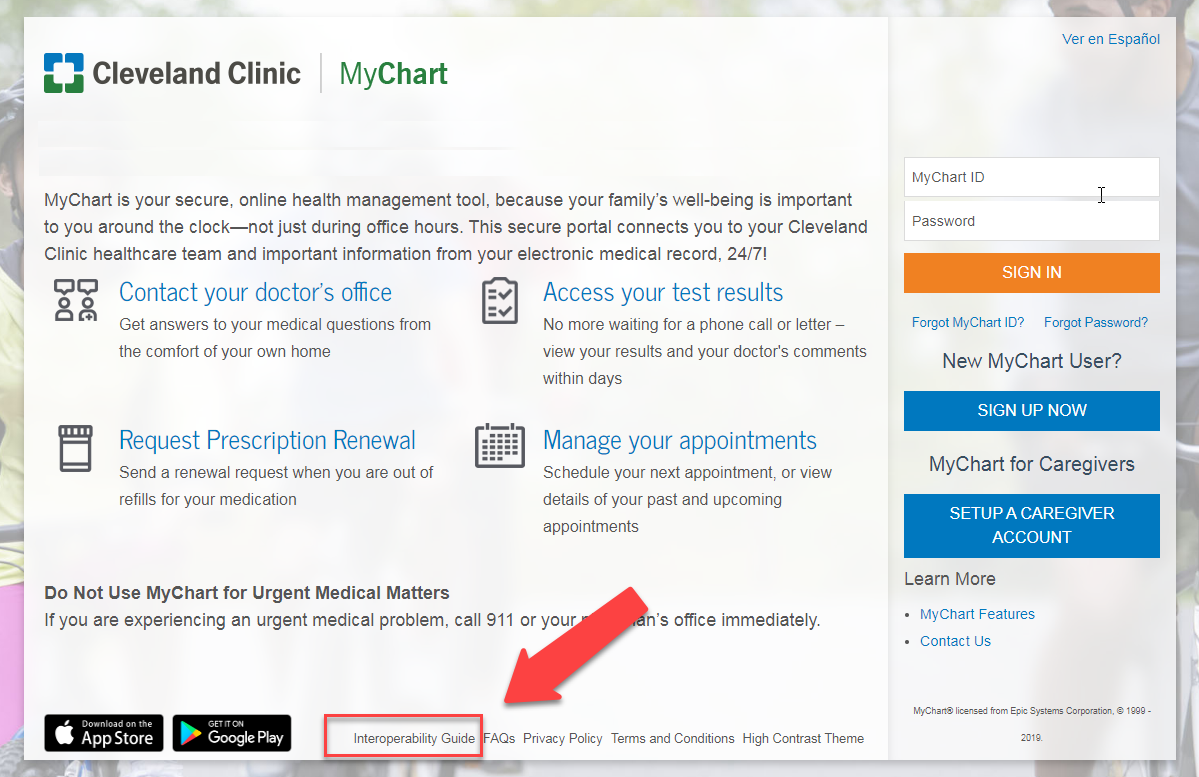
Cleveland Clinic MyChart: Your Digital Front Door to Streamlined Healthcare
Cleveland Clinic MyChart: Your Digital Front Door to Streamlined Healthcare
The Cleveland Clinic MyChart platform has rapidly evolved from a convenient digital tool into a central command center for personal healthcare management. This secure online portal and mobile application allow patients to access a wide range of services, from viewing test results to scheduling appointments, fundamentally altering the patient experience. By providing 24/7 access to critical health information, MyChart aims to foster greater engagement and collaboration between patients and their care teams.
For decades, patient interaction with a major academic medical center like the Cleveland Clinic was largely confined to in-person visits or phone calls during limited business hours. The advent of MyChart, part of a broader patient portal movement, represents a significant shift toward consumer-driven healthcare. As technology continues to integrate itself into daily life, the Clinic’s investment in this digital infrastructure reflects a commitment to meeting patients where they are—on their smartphones and computers.
MyChart serves as a secure gateway to your personal health record (PHR) hosted within the Cleveland Clinic system. It is more than just a repository for documents; it is an interactive tool designed to streamline communication and empower patients with knowledge. Understanding its core functionalities reveals how it operates as a vital component of modern healthcare delivery.
**Accessing Test Results Promptly**
One of the most impactful features of MyChart is the near-instantaneous access to laboratory and diagnostic test results. In the past, patients would wait days or even weeks for paper results to arrive by mail or for a callback from a physician's office. MyChart eliminates much of this uncertainty and anxiety.
* **Speed:** Results are typically available as soon as they are finalized in the Clinic’s system, often days before a traditional mail notification.
* **Context:** Results are presented within the context of the patient's record, often accompanied by brief explanations or flags indicating levels that require immediate attention.
* **Action:** If a result requires immediate action, the system usually provides clear instructions and often direct contact options with the nursing staff or physician’s office.
This transparency shifts the dynamic from passive waiting to active participation. Patients can review results at their own pace, formulate questions, and prepare for follow-up discussions, leading to more informed consultations.
**Streamlining Appointment Management**
MyChart has transformed the logistical aspects of seeking medical care. The scheduling functionality allows users to manage their appointments with a degree of autonomy previously unavailable.
1. **View Upcoming Appointments:** A centralized calendar provides a clear overview of all scheduled visits, procedures, and appointments.
2. **Schedule New Appointments:** Depending on the type of visit and availability, patients can book routine check-ups or specialist consultations directly through the portal.
3. **Cancel or Reschedule:** The ability to manage appointments online reduces the need for phone tag and helps clinics manage their schedules more efficiently.
4. **Check-In Remotely:** Many appointments allow for pre-registration and check-in via MyChart, saving time upon arrival.
This logistical ease extends to prescription management. Refills can be requested electronically, and the status of each prescription is tracked within the portal, reducing the risk of missed doses and ensuring continuity of therapy.
**Facilitating Secure Communication**
Perhaps the most profound shift in the patient-provider relationship is the introduction of secure messaging. MyChart includes a robust messaging system that allows for non-urgent communication with members of the care team.
This function is particularly valuable for managing chronic conditions. A patient with diabetes, for example, can use the messaging feature to report blood sugar logs, ask dietary questions, or clarify medication instructions without needing to schedule an in-person visit. As Dr. Eric Topol, a leading figure in digital medicine, has often noted, such asynchronous communication "democratizes access" to care, making the expertise of specialized centers more accessible to a broader population. It creates a documented trail of communication that is secure, HIPAA-compliant, and easily referenced later.
**Navigating the Cleveland Clinic MyChart Ecosystem**
Accessing the power of MyChart is designed to be straightforward, though initial setup requires a few key steps. The platform is built to be user-friendly, but understanding the landscape helps users fully leverage its capabilities.
**Getting Started and Key Features**
The journey begins with account activation, typically provided by a Cleveland Clinic provider. Once activated, users are greeted by a dashboard that serves as a hub for activity. The interface is generally intuitive, organized into tabs for Messages, Appointments, Records, and Bill Pay.
* **Health Summary:** Provides a quick-glance view of medications, allergies, and major diagnoses.
* **Messages:** The primary conduit for secure, asynchronous communication with your care team.
* **Appointments:** A detailed calendar and management tool for all scheduled visits.
* **Records:** A comprehensive, longitudinal view of your health history, including immunizations, surgical history, and problem lists.
* **Billing:** Allows for the review of statements and payment of outstanding balances.
**Utilizing Remote Monitoring and Health Tools**
In an era of wearable technology and digital health, Cleveland Clinic has integrated features that allow for remote patient monitoring. For patients with specific conditions, such as heart failure or hypertension, MyChart can be connected to Bluetooth-enabled devices.
This data, such as daily weights or blood pressure readings, flows directly into the patient’s record. Clinicians can then monitor trends remotely and intervene proactively if they see concerning patterns. This represents a move from episodic care to more continuous, data-driven health management.
**Addressing Security and Privacy Concerns**
With the digitization of health information comes the paramount concern of security. The Cleveland Clinic invests heavily in the security infrastructure of MyChart to ensure patient data is protected. Access is governed by robust authentication methods, including username/password combinations and, in many cases, multi-factor authentication via text message or authentication apps.
All communications within the portal are encrypted, and the system complies with all relevant federal regulations, including HIPAA. While no system is entirely impervious to threat, the Clinic’s adherence to industry best practices provides a high level of assurance regarding the privacy and integrity of personal health information. Patients retain control over certain aspects of their record, including who can view their information via the "Authorized Access" features.
MyChart is ultimately a bridge between the vast resources of a world-renowned medical institution and the individual patient. It transforms the patient from a passive recipient of care into an active, informed participant in their own health journey. By consolidating information, streamlining processes, and enabling direct communication, the platform exemplifies how digital tools can enhance the human element of healthcare rather than replace it. As it continues to evolve, MyChart will likely remain a cornerstone of the Cleveland Clinic’s mission to deliver exceptional, patient-centered care in the digital age.
Related Post
Cleveland Clinic MyChart Login: Your Definitive Guide to Secure Patient Portal Access
My Cleveland Clinic MyChart: Your Complete Digital Command Center for Healthcare