Coca Cola How Many Grams Of Sugar: The Exact Amount In Each Serving And What It Means For Your Health
Coca Cola How Many Grams Of Sugar: The Exact Amount In Each Serving And What It Means For Your Health
A standard 12‑fluid‑ounce can of Coca‑Cola contains 39 grams of sugar, an amount that represents the near‑maximum amount of added sugars one adult should consume in a single day according to leading health authorities. This level of sweetness is by design, engineered through a precise formulation that balances flavor, mouthfeel, and cost, and it contributes directly to the roughly 140 calories that come from sugar alone in each can. The following sections explore how that figure is determined, how it compares with other beverages, and why it remains a focal point in public‑health discussions.
The sugar in Coca‑Cola is not an incidental ingredient but a core component of its identity and flavor profile, influencing everything from color stability to carbonation retention. Understanding the exact quantity, the source of the sugar, and the broader context in which it is consumed requires examining nutrition labels, production processes, and public‑health guidelines that define what constitutes a safe intake.
On a standard 12‑fluid‑ounce can, the Nutrition Facts label lists Total Sugars at 39 grams. This figure is typically derived from the added sweeteners, which in the case of Coca‑Cola in the United States is high‑fructose corn syrup, and does not include naturally occurring sugars from ingredients because there are none. The 39 grams is based on the actual weight of sugar in the finished beverage, as verified through quality‑control methods such as refractometry and high‑performance liquid chromatography, which ensure consistency across batches and distribution channels.
In many markets, the ingredient list will specify that the sweetening agents are cane sugar or high‑fructose corn syrup. The choice of sweetener can subtly affect flavor perception, with some consumers reporting that cane‑sweetened versions taste less sharp or have a cleaner finish. Regardless of the sweetener used, the sugar content measured in grams remains the metric used by regulators and health organizations to assess the product’s contribution to daily dietary goals.
Health organizations such as the World Health Organization and the American Heart Association recommend that adults limit added sugars to less than 10 percent of total daily calories, with a further suggestion that a reduction to below 5 percent, or about 25 grams, provides additional health benefits. A single 12‑ounce can of Coca‑Cola at 39 grams therefore exceeds the more stringent guideline and pushes close to or beyond the general 10 percent threshold for many adults, depending on their total caloric intake.
The calculation is straightforward when expressed in calories. Each gram of sugar provides approximately four calories, so the 39 grams of sugar in a can of Coca‑Cola contribute about 156 calories, all from added sugar. For context, a moderately active adult may require roughly 2,000 to 2,500 calories per day, meaning that one can of Coca‑Cola could represent 6 to 8 percent of total daily calories before accounting for any other food or drink consumed.
Comparing Coca‑Cola with other popular beverages highlights how its sugar content positions it within the broader landscape of sweet drinks. Many fruit juices, though often perceived as healthier, can contain similar or even higher amounts of sugar per serving, while diet or zero‑sugar variants eliminate sugar entirely by using nonnutritive sweeteners. Energy drinks and some flavored coffees may also carry high sugar loads, but portion sizes and serving frequency differ, which affects overall exposure.
In practical terms, the 39 grams of sugar in a can of Coca‑Cola can contribute to surpassing daily sugar limits if multiple sweetened products are consumed. For example, a breakfast that includes flavored yogurt, granola, and a single can of Coca‑Cola can easily push total added sugar intake beyond recommended levels, particularly for individuals who are less aware of hidden sugars in processed foods. Public‑health initiatives such as front‑of‑package warning labels on high‑sugar drinks aim to make these numbers more visible at the point of purchase.
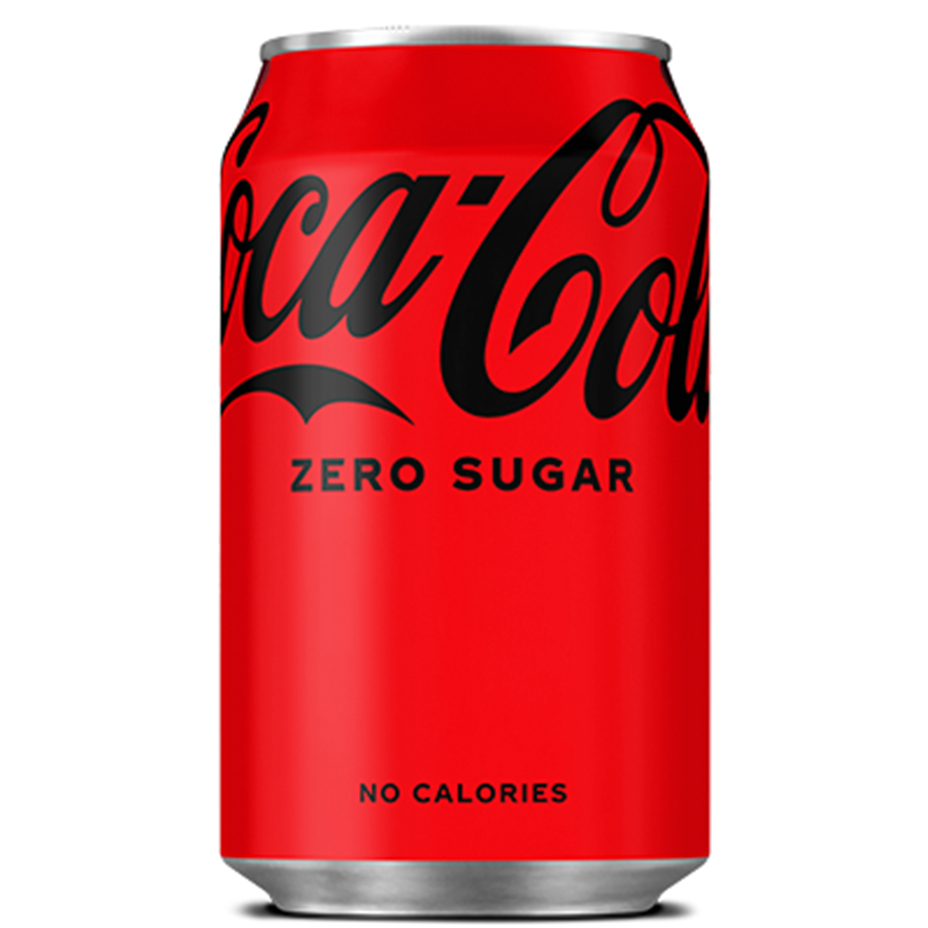
Coca‑Cola has responded to these concerns by expanding its portfolio to include reduced‑sugar and no‑sugar‑added options, such as Coca‑Cola Zero Sugar and Coca‑Cola Diet Coke, which use intense sweeteners to achieve a similar sensory experience without the caloric or sugar load. These products appeal to consumers seeking to manage sugar intake while maintaining a familiar taste profile, although they do not change the formulation of the classic Coca‑Cola that contains 39 grams of sugar per can.
From a production standpoint, maintaining a consistent 39‑gram sugar level requires precise control of ingredient weighing, mixing, and carbonation. Small variations in syrup concentration or dilution ratios could alter sugar content, which is why quality‑control protocols are strict and regularly audited. This technical discipline ensures that each can delivers the expected sensory experience and nutritional profile, reinforcing brand reliability.
Public discussions about the sugar content in Coca‑Cola often intersect with broader debates about personal responsibility, industry marketing, and regulatory intervention. Some argue that consumers make informed choices when purchasing products with known sugar levels, while others emphasize the role of aggressive advertising and the ubiquity of sugary drinks in shaping consumption patterns. Regardless of perspective, the objective measurement of 39 grams of sugar per 12‑ounce can remains a fixed data point in that conversation.
Consumers who wish to monitor their intake can use the Nutrition Facts panel as a direct reference. For context, a recommended daily limit of 50 grams of added sugar based on a 2,000‑calorie diet means that a can of Coca‑Cola represents just under 80 percent of that allowance. Those following stricter targets, such as 25 grams, would see the same can represent more than 150 percent of their goal, underscoring the importance of portion awareness.
Understanding the relationship between sugar grams and serving size is essential for accurate comparison across products. A 16‑fluid‑ounce bottle or fountain cup will proportionally increase the sugar content, while smaller portion sizes, such as an 8‑ounce serving, will reduce it. This linear relationship makes it straightforward to calculate intake when portion changes are known, though it also highlights how quickly totals can accumulate with larger servings.
In summary, the sugar content of Coca‑Cola is clearly quantified, consistently implemented, and directly relevant to broader dietary considerations. A 12‑ounce can delivers 39 grams of sugar, a figure that can meaningfully affect daily intake for many individuals. By placing this number alongside professional recommendations and comparative data, consumers are better equipped to align their beverage choices with their health goals.
Related Post