"Colorado’s Alcatraz": Life Inside the ADX Supermax, America’s Most Notorious Prison
"Colorado’s Alcatraz": Life Inside the ADX Supermax, America’s Most Notorious Prison
ADX Florence, located on the arid plains of Fremont County, Colorado, is the federal government’s highest-security prison, designed to house the most dangerous criminals in the United States. Often referred to as the "Alcatraz of the Rockies," the facility is synonymous with solitary confinement and extreme isolation. This article provides a comprehensive look at the history, operational protocols, controversies, and the daily reality for those incarcerated within its reinforced concrete walls.
The Genesis of a Maximum-Security Facility
The need for a supermax facility in the United States became glaringly apparent in the late 20th century. Incidents like the 1983 Atlanta Prison riot and the 1989 murder of a federal judge underscored the vulnerability of the existing prison system to violent inmates and terrorist threats. Construction on ADX Florence began in 1990, and it was officially opened in 1994 under the administration of Attorney General Eric Holder, although finalization occurred during the Clinton era.
The facility is operated by the Federal Bureau of Prisons (BOP), a division of the U.S. Department of Justice. Its creation was not intended to replace existing federal prisons but to serve as a last line of defense for individuals who cannot be housed in the general prison population due to the severity of their crimes or their potential to disrupt the order of lower-security institutions.
The Architecture of Isolation
Physically, ADX Florence is designed to be a fortress. The compound resembles a small, low-rise office park surrounded by two 20-foot fences topped with razor wire. Between the fences lie razor-sharp coils of barbed wire, motion sensors, and surveillance cameras capable of monitoring every angle of the property 24 hours a day.
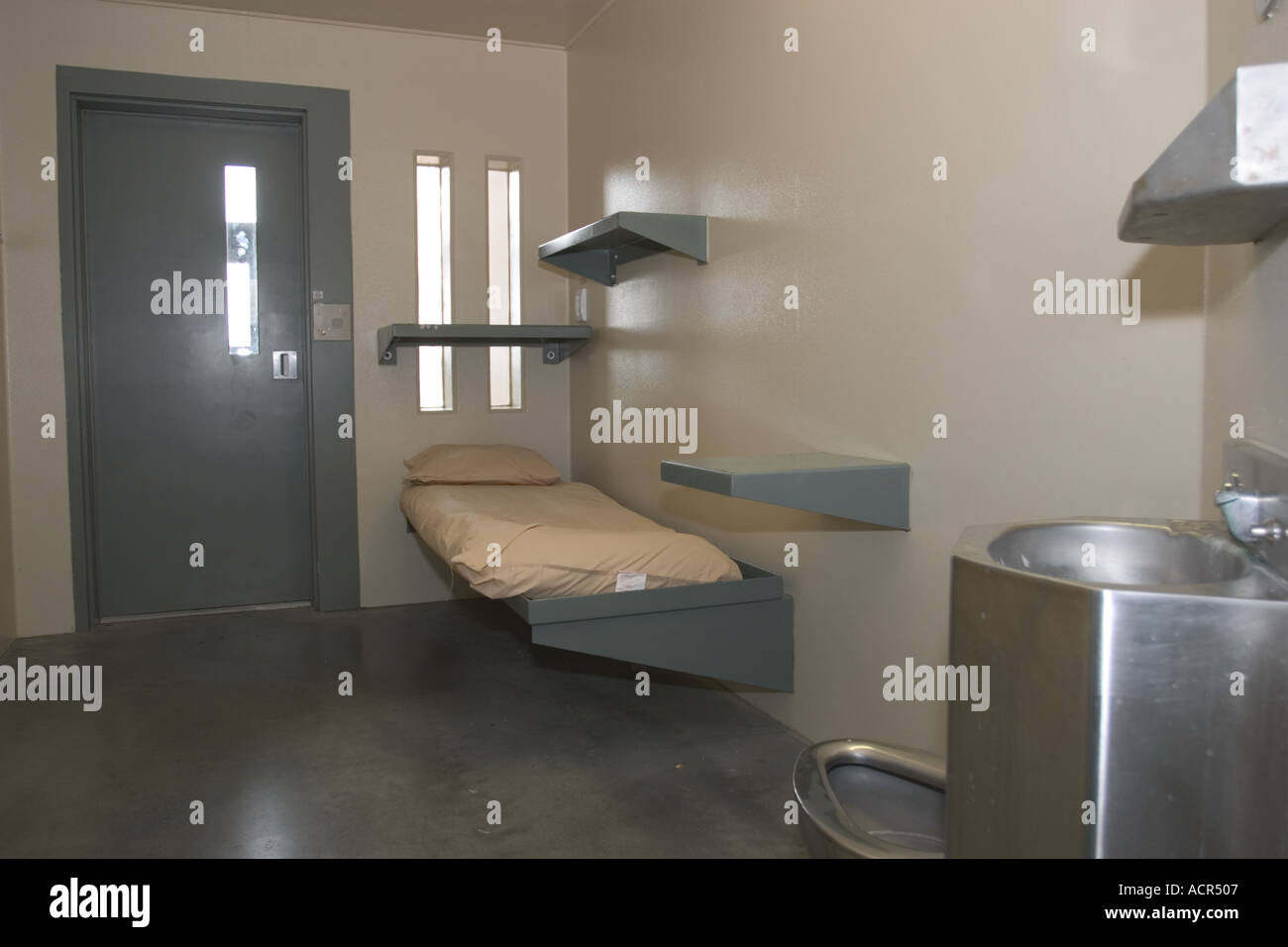
The interior cells are the subject of much scrutiny. Each inmate occupies a concrete box measuring approximately 7 feet by 12 feet. The walls are poured concrete slabs reinforced with steel, and the only window is a small, slit-like opening covered by steel mesh. The plumbing is minimal, consisting of a toilet, a sink, and a shower, all of which are controlled remotely by the guards.
Here is a breakdown of the facility's housing units:
- General Population Units: Housing inmates who are not in solitary confinement but are still under high security.
- Special Housing Units (SHUs): The areas designated for solitary confinement, where inmates are locked in their cells for 22 to 24 hours a day.
- The "Control Unit": The original core of the prison, designed for the most disruptive inmates, featuring heightened security measures.
The Inmate Experience: A Day in Solitude
Life at ADX is defined by a rigid schedule that minimizes human contact. Inmates are typically awakened at 5:00 a.m. and are required to remain in their cells until 8:00 p.m. When they are allowed out, it is for one hour of solitary exercise in a small, concrete yard alone. All meals are delivered through the door of the cell, and contact with staff is strictly transactional and often conducted through a food slot.
Prison psychologist Dr. John Moore, who has conducted interviews with ADX inmates, described the psychological toll of the environment. "It is a test of sanity," Dr. Moore stated. "The human brain is not wired to be alone for that duration of time. The lack of sensory input and human interaction creates a unique form of psychological torture that erodes an individual's sense of self over time."
The daily routine is as follows:
- Cells are unlocked for a brief period to allow for waste removal and cleaning.
- Inmates are permitted one phone call per month, monitored and often restricted.
- Visits are conducted through glass partitions, prohibiting any physical contact.
- All activities, including eating and sleeping, occur within the cell.
Notorious Inmates and High-Profile Cases
ADX Florence houses individuals deemed too high-profile or too dangerous for the general federal prison population. The list includes terrorists, organized crime figures, and individuals convicted of hate crimes or conspiracy against the U.S. government.
Some of the most well-known names housed at ADX include:
- Terry Nichols: Co-conspirator in the 1995 Oklahoma City bombing.
- Ramzi Yousef: The mastermind behind the 1993 World Trade Center bombing.
- Dzhokhar Tsarnaev: Convicted for the 2013 Boston Marathon bombing.
- Joseph James DeAngelo:The infamous "Golden State Killer," transferred to ADX for his protection after his capture.
These inmates are generally the most hardened criminals and security risks in the federal system. Their presence necessitates the highest level of security, which is enforced through constant surveillance and limited movement.Controversies and Legal Challenges
Since its inception, ADX Florence has been a lightning rod for controversy. Civil liberties groups and human rights organizations have repeatedly condemned the practice of solitary confinement, arguing that it constitutes cruel and unusual punishment under the Eighth Amendment. Studies have shown that prolonged isolation can lead to severe mental health issues, including depression, anxiety, and psychosis.
In response to these criticisms, the BOP maintains that the facility is a necessary component of the federal justice system. They argue that the inmates housed there are the most dangerous individuals in the country, and the specialized environment is the only way to ensure the safety of both the inmates and the staff.
A spokesperson for the Federal Bureau of Prisons stated, "ADX is designed for offenders who present a threat to national security or the integrity of the correctional system. The protocols in place are specifically calibrated to manage that threat humanely and securely, despite the restrictive nature of the environment."
The Future of Supermax Prisons
Looking ahead, the role of facilities like ADX Florence remains a subject of intense debate. While some argue that they are essential for managing the most dangerous individuals, others point to the psychological costs and the potential for these facilities to create rather than rehabilitate. As the national conversation around criminal justice reform continues to evolve, the supermax model faces increasing scrutiny regarding its effectiveness and morality.
Regardless of one's stance on the issue, ADX Florence remains a stark symbol of the extremes of the American carceral system. It represents the boundary of punishment, where the goal shifts from rehabilitation to permanent, isolated containment.
Related Post