Cornell Outlook: Navigating the Crossroads of Academia, Innovation, and Tomorrow’s Leaders
Cornell Outlook: Navigating the Crossroads of Academia, Innovation, and Tomorrow’s Leaders
Cornell University stands at a pivotal junction of academic tradition and future-focused innovation, shaping leaders who impact global discourse. As it balances rigorous scholarship with societal responsibility, Cornell’s evolving landscape reflects broader shifts in higher education. This article examines how the institution is adapting to technological change, demographic shifts, and new expectations for social impact while preserving its core mission.
Historical Foundation and Evolving Mission
Founded in 1865, Cornell University emerged from the Morrill Act as a land-grant institution with a revolutionary commitment to practical education alongside classical studies. Ezra Cornell’s vision of “any person, any study” established a foundation of accessibility and breadth that continues to define the university. Over time, Cornell expanded its scope to include emerging fields while maintaining strength in agriculture, engineering, and the sciences.
This dual commitment to tradition and progress is evident in the university’s ongoing curriculum development. Departments regularly review programs to ensure alignment with contemporary challenges and opportunities. The integration of interdisciplinary initiatives demonstrates how Cornell honors its past while embracing the future.
Academic Structure and Key Programs
Cornell comprises multiple colleges and schools, each with distinct strengths and areas of focus. These units collaborate across boundaries to address complex global issues. The university’s academic structure enables both depth in specialized fields and breadth through cross-college partnerships.
Undergraduate Education
The undergraduate experience at Cornell combines foundational liberal arts education with opportunities for specialized study. Students benefit from:
- Small seminar classes alongside large lecture halls
- Research opportunities with faculty across disciplines
- Extensive study abroad programs in more than 80 countries
- Diverse academic resources including libraries, laboratories, and innovation spaces
Graduate and Professional Programs
Cornell’s graduate offerings span numerous disciplines, with particular strength in fields such as business, law, medicine, and public policy. The graduate experience emphasizes original research, critical analysis, and professional development. Many programs incorporate practical components, including internships and field experiences, to bridge academic learning and real-world application.
Research and Innovation Landscape
Research at Cornell spans from fundamental discovery to applied innovation, with particular strengths in life sciences, sustainability, and technology. The university’s research enterprise addresses pressing challenges in climate, health, and global development.
Notable initiatives include:
- Cornell Tech in New York City, fostering technology transfer and entrepreneurship
- Cornell Atkinson Center for Sustainability, coordinating climate and environmental research
- Cornell University Laboratory of Ornithology, contributing to conservation science
- Cornell NanoScale Science and Technology Facility, supporting nanotechnology research
These efforts demonstrate Cornell’s commitment to transforming knowledge into solutions for real-world problems. The university’s agricultural experiment stations and extension programs further illustrate its land-grant mission in contemporary contexts.
Campus Life and Student Experience
Cornell’s campus in Ithaca, New York, provides a setting that balances academic intensity with natural beauty. The university’s residential college system creates communities within the larger institution, fostering connections across years and disciplines. Student organizations range from cultural groups to professional societies, providing platforms for leadership development.
Engagement extends beyond campus through partnerships with local communities and global networks. Public service initiatives allow students to apply their education while contributing to societal well-being. The diversity of student backgrounds enriches classroom discussions and campus discourse.
Adapting to Future Challenges and Opportunities
Like institutions worldwide, Cornell faces the imperative to remain accessible and relevant in a changing educational landscape. The university is responding to demographic shifts, technological advances, and evolving career expectations through strategic investments and policy development.
Areas of focus include:
- Expanding online and hybrid learning options while maintaining educational quality
- Strengthening career services and alumni networks to support diverse career paths
- Increasing financial aid and support services to enhance accessibility
- Developing global partnerships to address transnational challenges
These efforts reflect Cornell’s ongoing commitment to balancing tradition with necessary adaptation.Leadership and Institutional Governance
Cornell’s governance structure involves multiple stakeholders, including faculty, students, and staff in decision-making processes. This participatory approach aims to balance academic freedom with institutional responsibility. Leadership teams regularly engage with campus communities to address concerns and plan for the future.
Recent strategic plans emphasize inclusive excellence, sustainability, and innovation. These guiding documents illustrate how Cornell is positioning itself for continued success while maintaining its distinctive character. Regular assessment and feedback mechanisms help ensure that institutional goals align with stakeholder needs.
Related Post
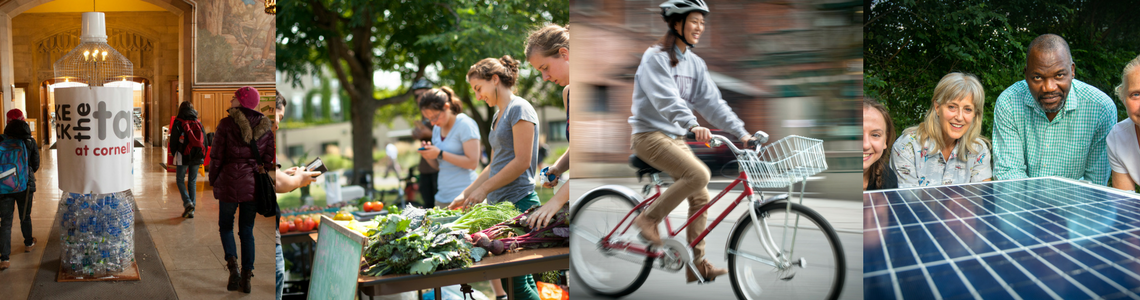
Cornell University Plans to Launch New Sustainability-Focused Business School in 2025

Understanding Bill Ritter's Salary: A Comprehensive Overview

Meet Taylin Gallacher: The Rising Star Of The Entertainment Industry
Unlocking the Truth: Uncovering the Realities of Robertson County Jail in Springfield, TN


