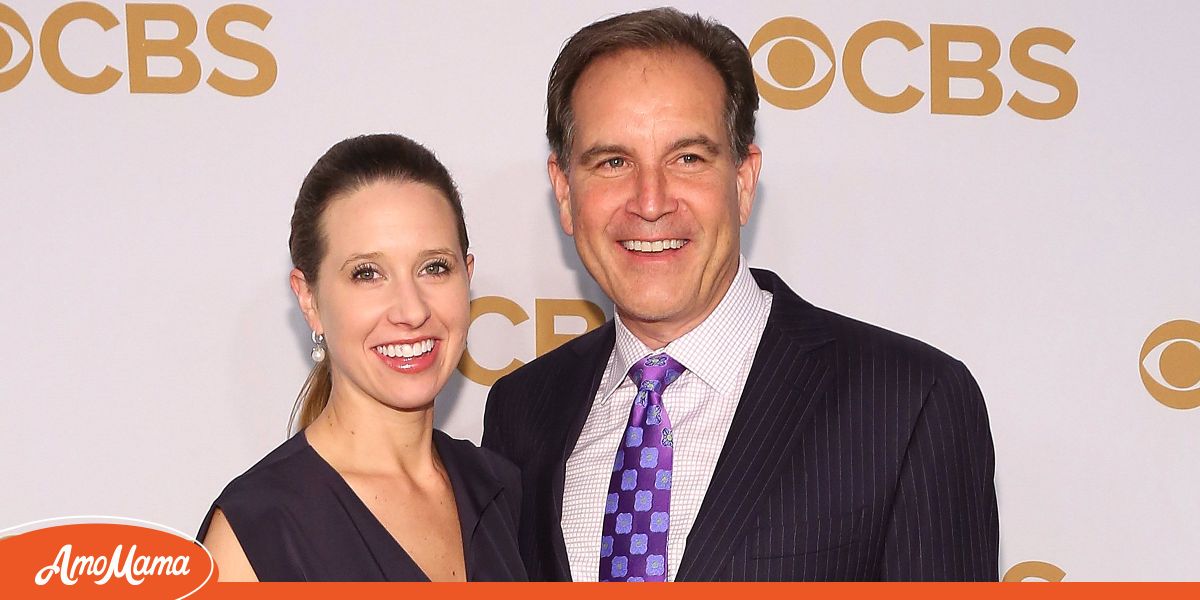
Courtney Richards: Inside The High Stakes World Of Corporate Crisis Management
Courtney Richards: Inside The High Stakes World Of Corporate Crisis Management
Courtney Richards has become the name executives whisper about when a reputational storm hits. As a senior crisis management strategist at Sentinel Global Advisory, Richards specializes in helping Fortune 500 companies navigate public relations disasters, regulatory scrutiny, and social media backlash. In an era where a single viral post can erase years of brand equity, her role has never been more critical or more visible.
Richards spent more than a decade working in traditional media before pivoting to crisis communications, giving her a unique vantage point on how narratives form and spread. She has managed responses for data breaches, executive misconduct allegations, and product failures that threatened to close businesses permanently. Her approach blends legal strategy, psychological insight, and old-fashioned relationship building with journalists and community leaders.
This article examines how Richards operates at the intersection of communications, ethics, and risk management, and why her methods are shaping modern corporate behavior.
In her early career, Richards worked as an investigative reporter for national news outlets, covering mergers, environmental violations, and political scandals. She saw firsthand how companies responded—or failed to respond—to public pressure, and she noticed patterns in the most effective interventions.
After transitioning to public relations, Richards joined a boutique crisis firm in New York, where she handled cases ranging from executive misconduct to supply chain ethics violations. Her breakout case came when a major pharmaceutical company faced allegations of price gouging during a public health emergency.
The situation demanded speed, transparency, and a deep understanding of both regulatory frameworks and public sentiment. Richards coordinated a response team that included legal counsel, operations experts, and external communications advisors. They implemented a strategy that prioritized direct engagement with affected patients, transparent pricing explanations, and voluntary policy changes.
> The goal was never to spin the truth,” Richards explains. “It was to present the full context in a way that people could actually understand and trust.”
The company avoided lawsuits, retained major contracts, and, perhaps most importantly, maintained its social license to operate. That case established Richards as someone who could deliver results without compromising ethical standards.
Modern crisis management, according to Richards, is defined by three overlapping pressures: speed, transparency, and accountability. In the age of Twitter storms and citizen journalism, organizations have minutes—not days—to respond to emerging crises.
Speed does not mean rushing out a statement without facts. Richards insists on rapid assessment, cross-functional coordination, and clear decision-making chains. Her teams use real-time social media monitoring tools to track sentiment, identify misinformation, and adjust messaging accordingly.
Transparency, however, requires a different kind of courage. Richards encourages clients to acknowledge what they do not yet know, rather than filling silence with assumptions. She emphasizes that incomplete but honest communication builds more trust than delayed perfection.
Accountability is the most challenging element. In many crises, someone—whether an executive, a contractor, or an algorithm—must accept responsibility. Richards helps organizations determine when and how to apologize, when to suspend operations, and when to implement structural changes that prevent recurrence.
Richards insists that every crisis plan should include specific protocols, not vague guidelines. Her recommended checklist includes:
1. Immediate Response Team Assembly: Identify legal, communications, operations, and HR leads within the first hour.
2. Holding Statements: Prepare templated messages for different scenarios, with placeholders for facts as they emerge.
3. Media Mapping: Know which journalists, influencers, and community figures are most likely to cover the story.
4. Internal Communication Plan: Employees often hear rumors before the public does; Richards recommends daily briefings during active crises.
5. Escalation Triggers: Define specific metrics—such as viral reach, regulatory inquiry, or customer churn—that prompt executive involvement.
During a recent data breach affecting a global financial services client, Richards applied this framework. Within two hours, the response team issued an initial acknowledgment that did not minimize the risk. They outlined immediate protective steps for customers, established a dedicated hotline, and committed to weekly updates until the issue was resolved.
The result was less panic, fewer regulatory penalties, and stronger customer retention than industry analysts predicted.
Richards has also played a behind-the-scenes role in shaping board-level conversations about risk. Increasingly, CEOs and board members invite her to scenario-planning sessions before crises occur. These exercises simulate everything from cyberattacks to executive misconduct, testing both communication strategies and operational resilience.
> If you wait until the fire to invite the fire department, you have already lost control of the building,” she often tells clients. “The work has to happen long before the headlines.”
Her influence extends into corporate culture as well. Richards advises companies on building ethical infrastructure—whistleblower protections, transparent decision-making, and clear values—that reduces the likelihood of crises in the first place.
Every case Richards handles raises ethical questions. When a company’s leadership ignores early warnings, she must decide how blunt to be in her assessments. When a crisis involves vulnerable populations, she weighs confidentiality against the public’s right to know.
She has turned down clients whose practices conflicted with her professional values, even when the fees were substantial. This discipline has earned her respect across the industry and a growing reputation for integrity in a field often criticized for spin.
Richards credits her journalism background for this mindset. “Reporting taught you that words have consequences,” she says. “In crisis communications, those consequences can change lives.”
Looking ahead, Richards sees increasing demand for her kind of expertise. As misinformation spreads faster than facts, and as stakeholders—from regulators to consumers—demand greater accountability, the role of crisis strategist will only grow more complex.
She is currently developing training programs for mid-level executives, focusing on ethical decision-making under pressure. She also consults on policy issues related to data privacy, algorithmic bias, and corporate governance.
Courtney Richards operates in the shadows of boardrooms and newsrooms, ensuring that when crises erupt, the response is not just fast, but principled. For companies navigating an increasingly volatile landscape, her work may be the difference between survival and collapse.
Related Post

Courtney Richards: The Strategic Force Behind Modern Professional Communication
Jim Nantz’s Private Life: Courtney Richards, R; A Wife Rooted in Stability

The Influential Journey of Courtney Richards: Redefining Voice, Vision, and Advocacy