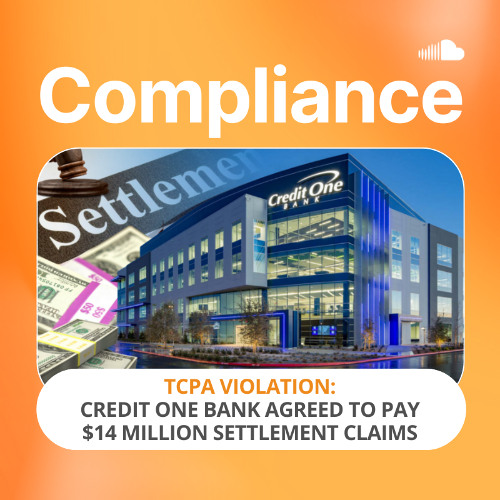
Credit One Bank TCPA Settlement: What Consumers Need to Know About the Latest Robocall Payout
Credit One Bank TCPA Settlement: What Consumers Need to Know About the Latest Robocall Payout
A class action lawsuit against Credit One Bank has resulted in a settlement that could put cash in the pockets of consumers who received unauthorized robocalls or text messages. The settlement addresses alleged violations of the Telephone Consumer Protection Act, or TCPA, a federal law that restricts how companies use automated dialing and prerecorded messages to reach consumers. If you have received repeated robocalls or spam texts from Credit One Bank or a related entity, this resolution may affect your legal rights and potential compensation.
Understanding the TCPA and Why It Matters to Consumers
The Telephone Consumer Protection Act, commonly referred to as the TCPA, was enacted in 1991 to curb the rise of intrusive telemarketing calls and unsolicited fax messages. Over time, the law has been updated to cover modern forms of communication, including text messages and automated dialing systems known as autodialers.
Under the TCPA, companies are generally prohibited from making robocalls or sending automated text messages to consumers without prior written consent. When a business violates these rules, consumers have the right to take legal action and potentially recover damages.
- Robocalls include prerecorded or automated calls delivered by an auto dialer.
- Text messages sent using an autodialer may also be covered if they are sent without consent.
- Violations of the TCPA can result in statutory damages ranging from $500 to $1,500 per unlawful call or text, depending on whether the violation was determined to be willful.
Details of the Credit One Bank TCPA Settlement
The Credit One Bank TCPA settlement resolves a class action lawsuit that accused the bank of using automated dialing systems to contact consumers without proper authorization. The case centered around allegations that the bank placed a high volume of robocalls and text messages to consumers who had not provided clear consent to receive such communications.
As part of the settlement, Credit One Bank agreed to pay a specified amount into a fund that will be used to compensate eligible class members. The exact value of each eligible claim will depend on several factors, including the number of calls or texts received and whether the consumer can provide detailed documentation of the contact.
Who May Be Eligible for Compensation
Eligibility for the settlement typically depends on the specific dates during which the alleged violations occurred. Consumers who received robocalls or text messages from Credit One Bank during this window may qualify to submit a claim.
- Review the official settlement notice to determine the class period dates.
- Check whether you received calls or texts from Credit One Bank during that timeframe.
- Confirm that you did not provide prior written consent for those communications.
- Follow the instructions in the settlement notice to submit your claim.
In many TCPA cases, courts require class members to submit a claim form or opt into the settlement in order to receive compensation. This process is designed to ensure that only individuals who were actually affected by the alleged violations are included in the payout.
Legal Basis for the Settlement
TCPA litigation often hinges on questions of consent and the use of automated technology. In the Credit One Bank case, plaintiffs argued that the bank’s calling and texting practices did not comply with the strict consent requirements outlined in the TCPA.
Under TCPA case law, consent can be revoked at any time, and companies must respect clear requests to stop contacting them. If Credit One Bank continued to place calls or send messages after receiving such requests, this could strengthen a consumer’s claim for damages.
Key Legal Standards in TCPA Cases
- Prior express consent is typically required for autodialed calls and text messages.
- Consumers may revoke consent verbally or in writing, and companies must honor those requests promptly.
- Each unlawful call or text message may give rise to a separate legal claim.
- Statutory damages can be doubled if the violation is found to be willful.
Legal experts note that settlements in TCPA cases often provide a practical way for consumers to recover compensation without the need for a lengthy trial. For companies like Credit One Bank, such settlements can also help resolve uncertainty and limit future legal exposure.
Practical Steps for Consumers Who Received Unwanted Calls or Texts
If you have been receiving robocalls or text messages from Credit One Bank or another creditor, there are several steps you can take to protect your legal rights.
What You Should Do Right Now
- Document every unwanted call or text, including the date, time, and phone number.
- Save any voicemails, text messages, or automated recordings as evidence.
- Check whether you have given written consent to the company, and keep records of any revocations.
- Review the official settlement notice if you received it by mail or email.
In many situations, consumers are unaware that they can take action against companies that violate the TCPA. Even a single unlawful robocall can form the basis of a valid legal claim, and statutory damages can add up quickly when multiple calls are involved.
Common Misconceptions About TCPA Settlements
There are several misunderstandings surrounding class action lawsuits and TCPA settlements that can prevent eligible consumers from coming forward.
Myths vs. Facts
- Myth: You have to pay money out of pocket to participate in a TCPA settlement.
Fact: Most TCPA class actions provide compensation to consumers at no cost, and participants are not required to retain a lawyer.
- Myth: Only a large number of calls qualifies for a claim.
Fact: Even a single unsolicited robocall or text message can support a TCPA claim under certain circumstances.
- Myth: The settlement will not be worth the effort to claim.
Fact: Depending on the size of the settlement fund and the number of eligible claims, individual payouts can range from a modest sum to several hundred dollars.
Broader Implications for Consumer Protection
TCPA litigation plays an important role in shaping how businesses handle consumer communications. As technology evolves, regulators and courts continue to interpret the law to address new forms of automated messaging and outreach.
For consumers, class action settlements like the Credit One Bank TCPA settlement offer a practical mechanism for holding companies accountable when they fail to respect communication boundaries. By participating in such actions, injured consumers not only seek compensation but also help reinforce the importance of consent in modern marketing practices.
At the same time, companies face growing pressure to maintain strict compliance programs, including training, internal audits, and clear documentation of consumer consent. The cost of a TCPA violation can extend beyond statutory damages to include reputational harm and stricter regulatory scrutiny.
How to Stay Informed About Your Legal Rights
Consumers who want to stay informed about TCPA settlements and their own legal options can take several practical steps.
- Watch for official notices in the mail or by email regarding active class action settlements.
- Visit trusted legal news sources for updates on high-profile TCPA cases.
- Consult with a consumer protection attorney if you are unsure about the validity of a claim or the steps required to participate.
- Report suspected TCPA violations to the Federal Trade Commission or your state attorney general.
For many people, the idea of filing a lawsuit or joining a class action may seem intimidating, but the reality is that TCPA cases often provide a straightforward path to compensation for individuals who have been affected by unwanted robocalls or texts.
Moving Forward in a Regulated Communication Landscape
The Credit One Bank TCPA settlement reflects a broader trend in which consumers are increasingly using legal tools to push back against intrusive telemarketing practices. As courts and regulators continue to interpret the TCPA, companies are likely to face higher standards for how they collect consent and manage customer communications.
For consumers, understanding your rights under the TCPA can make a meaningful difference in how often you receive unsolicited calls and messages. When outreach does occur without permission, legal mechanisms like class action settlements provide a way to seek compensation and encourage more responsible business behavior.
Related Post