Dade County Appraiser Decoded: How Property Valuations Shape Your Wallet and Community
Dade County Appraiser Decoded: How Property Valuations Shape Your Wallet and Community
The Dade County Appraiser serves as the official valuation officer for Miami-Dade County, responsible for systematically assessing the market value of all taxable property. This independent assessment directly determines the tax burden for homeowners and businesses, influences local investment climates, and provides foundational data for mortgage lending and estate planning. Understanding the role, methodology, and limitations of the office is essential for any property owner or stakeholder navigating the county's complex real estate landscape.
The Miami-Dade County Property Appraiser’s Office operates under the authority of Florida state law, mandated to conduct field reviews, analyze sales data, and apply standardized mass appraisal techniques. Unlike a tax collector, the appraiser does not set tax rates or collect payments; instead, they establish the "assessed value" that serves as the basis for the tax calculation performed later by other entities. This distinction is critical for residents seeking to understand their property tax bill.
The Legal Mandate and Constitutional Framework
Florida’s constitution and statutes require that all property be assessed at just value, except for those specifically exempted. The Dade County Appraiser must adhere to these rules while managing a portfolio that includes everything from modest bungalows in historic neighborhoods to high-rise luxury condominiums and vast commercial developments.
Key statutory requirements dictate the process:
1. **Assessment at Fair Market Value:** The appraiser must determine the price that a willing buyer would pay a willing seller in an arm’s length transaction as of January 1st of the tax year.
2. **Truth in Millage (TRIM) Notices:** Property owners receive detailed notices explaining their property’s assessed value, the proposed tax rate, and their right to appeal.
3. **Equalization Requirements:** The agency ensures that assessments are uniform across similar property types and neighborhoods, preventing disparities that could disadvantage certain areas.
This framework is designed to promote fairness and transparency, though its execution is often scrutinized.
Methodology: How the Appraiser Determines Value
To arrive at a property value, the Dade County Appraiser’s Office primarily utilizes three standard approaches recognized nationally in the appraisal profession: the Sales Comparison Approach, the Cost Approach, and the Income Capitalization Approach.
The most common method for residential properties is the Sales Comparison Approach. Appraisers review recent sales of similar homes, known as "comps," within the same neighborhood. They adjust these comparables for differences in size, age, condition, amenities like pools or waterfront access, and location specifics such as proximity to schools or flood zones.
For example, if a home with three bedrooms and two bathrooms sold for $500,000, the appraiser might adjust that figure upward if the subject property has an extra bedroom or downward if it lacks a garage. This data-intensive process relies heavily on accurate and timely sales records.
"We are detectives of value," a veteran appraiser for the county explained. "We look at the subject property, we look at the comps, and we analyze the nuances—whether it’s a better view, a newer roof, or a less desirable lot orientation—and we quantify those differences in dollars."
The Cost Approach is typically used for newer construction or unique properties. It calculates the value of the land plus the cost to reconstruct the building, minus depreciation for physical wear and functional or economic obsolescence.
The Income Capitalization Approach is reserved for investment and commercial properties. It evaluates the property based on the net income it generates, capitalizing that income into an estimated value using market-derived rates.
Common Challenges and the Appeals Process
Despite the rigorous methodology, property owners may believe their assessment does not reflect reality. This discrepancy often arises during rapidly appreciating markets or following major home improvements. When a homeowner receives their TRIM notice, they have a defined window to formally appeal the value.
The appeals process in Miami-Dade County is administrative, meaning it does not involve the court system initially. Property owners typically file with the Value Adjustment Board (VAB), an independent body separate from the Appraiser's Office.
To prepare a successful appeal, homeowners should gather evidence. This includes:
- **Recent Comparable Sales:** Proof of lower sales prices for similar homes in the area.
- **Property Records:** Documentation of errors, such as incorrect square footage or bedroom counts.
- **Physical Evidence:** Photographs demonstrating needed repairs, deferred maintenance, or damage not reflected in the assessment.
- **Cost Approach Data:** For unique properties, evidence of construction costs if using the cost method.
According to a local real estate attorney who frequently represents clients in VAB hearings, the burden of proof lies with the owner. "The law presumes the county's assessment is correct," the attorney noted. "Homeowners must come prepared with credible evidence to persuade the board that the value is too high. It is not enough to simply say the bill is too high; you must prove the value is wrong."
The Ripple Effect: Beyond the Tax Bill
The work of the Dade County Appraiser extends far beyond the annual tax notice. Accurate appraisals are vital for economic stability and individual financial health.
For lenders, the appraised value is a risk management tool. It influences how much a bank is willing to loan on a property. A lower appraisal can kill a sale or force the buyer to bring more cash to the table.
For municipalities, the aggregate valuation base determines the revenue available for public services. If assessments lag behind market values, the county may need to raise millage rates to maintain revenue, impacting all taxpayers. Conversely, if assessments spike rapidly, it can trigger widespread affordability crises, pushing long-term residents out of their homes despite not having sold their property.
Transparency and the Path Forward
The Dade County Appraiser’s Office has made strides toward improving public accessibility. Many records, including property descriptions, photos, and historical sales data, are available through the county’s online portal. However, the proprietary algorithms used in mass appraisal models remain largely opaque to the public.
As climate change exacerbates risks in coastal Florida, the role of the appraiser is evolving. There is increasing pressure to factor climate risk and flood potential more heavily into valuations. This could significantly impact future premiums and property desirability, making the office’s methodology a subject of ongoing public policy debate.
Residents are encouraged to engage with the office not just when they receive a bill they disagree with, but proactively. By understanding how the Dade County Appraiser values property, owners can ensure they are being taxed fairly and contribute to a more equitable local economy.
Related Post

Uncover Miami's Hidden Gems: Mastering the Art of Miami Dade County Appraiser Property Search
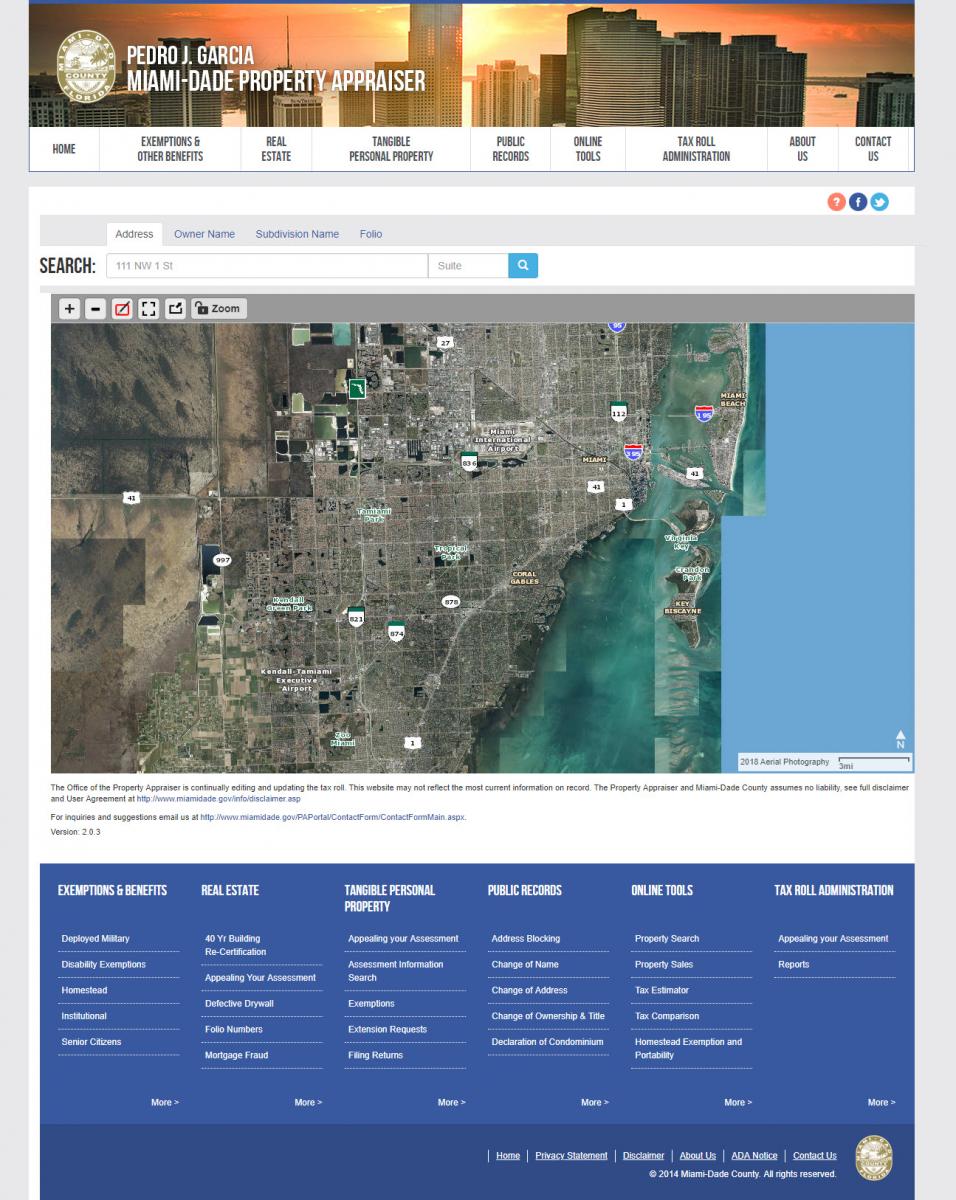
Unlock the Secrets of Miami Dade County Property Values: A Guide to the Miami Dade County Appraiser Property Search

The Heartbreak of Tempo: How Duane Chapman Once Got Lost in a Beat

10 Vital Facts About the Hardy Boys Actress: Bea Santos, Age, and Her Husband’s Role in Pop Culture Lore
:max_bytes(150000):strip_icc():focal(1033x475:1035x477)/Tom-Selleck-magnum-pi-041524-2-e9d259f9167c4b1d915eef58b73ca757.jpg)


