Decoding CMO Meaning: The Strategic Architect Behind Revenue Revolution
Decoding CMO Meaning: The Strategic Architect Behind Revenue Revolution
In the contemporary boardroom, the Chief Marketing Officer has evolved from a creative figurehead into a data-driven growth catalyst, fundamentally reshaping how organizations acquire and retain value. This article provides a comprehensive examination of the CMO meaning, dissecting the role's expanding scope beyond traditional advertising into the realms of customer analytics, digital transformation, and revenue generation. Through analysis of current structures and executive insights, we explore how this position defines the competitive landscape for modern enterprises.
The Strategic Evolution: From Brand Custodian to Revenue Leader
The CMO meaning has undergone a seismic shift since the role's inception. Historically, the position was primarily concerned with corporate image, managing creative assets, and overseeing advertising campaigns. The primary metric was often brand awareness or recall, measured through surveys and media impressions. However, the digital revolution has fundamentally altered the marketing function, forcing the CMO into the strategic center of the business.
Today's CMO is expected to demonstrate a direct impact on the bottom line. They are no longer just the head of marketing; they are a key revenue operator. This evolution is driven by the proliferation of data and technology, which allows marketing to be measured with the same rigor as finance or sales. The modern CMO must bridge the gap between creative vision and quantifiable outcomes, translating customer insights into profitable growth strategies.
Core Responsibilities in the Digital Age
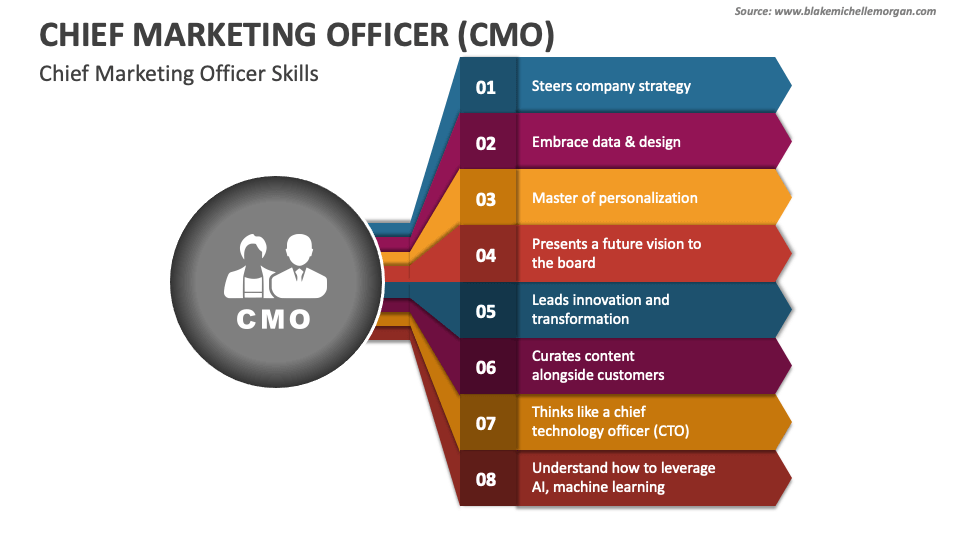
To understand the full CMO meaning, one must analyze the multifaceted responsibilities that define the role in the 2020s. These duties extend far beyond managing a creative agency and encompass technological integration, customer experience, and organizational alignment.
- Data-Driven Decision Making: Modern CMOs are inundated with data from websites, social media, CRM systems, and sales platforms. They must possess the analytical acumen to interpret this data, identify trends, and optimize marketing spend based on measurable return on investment (ROI).
- Customer Journey Orchestration: The CMO is responsible for mapping and managing the entire customer lifecycle. This involves ensuring a seamless experience from initial brand awareness through acquisition, onboarding, retention, and advocacy.
- Technology Integration: The marketing technology stack (MarTech) is a critical component of the modern CMO's arsenal. This includes managing tools for email automation, content management, social media scheduling, and advanced analytics.
- Cross-Functional Collaboration: To be effective, the CMO must work in lockstep with Sales, Product Development, and Finance. This alignment ensures that marketing initiatives support broader business objectives and that product development is informed by real-time market feedback.
The Financial Impact of Marketing Leadership
The shift in the CMO meaning is perhaps most clearly illustrated by the budgetary authority granted to modern marketing leaders. Where once marketing was a cost center, it is now increasingly viewed as a profit center. CMOs are now frequently held accountable for generating a significant portion of top-line growth.
"The CMO of today is the CEO's primary partner for growth," explains a simulated executive commentary often found in business strategy journals. "They are tasked with identifying new market opportunities, monetizing the customer base, and building the brand's equity in a way that directly translates to shareholder value." This paradigm shift has placed immense pressure on CMOs to deliver quantifiable results, moving the goalpost from visibility to valuation.
Organizational Structure and Reporting Lines
The placement of the CMO within the corporate hierarchy provides further insight into the contemporary CMO meaning. While structures vary, the trend is toward greater influence at the executive level.
- C-Suite Integration: The most impactful CMOs sit at the C-suite table, reporting directly to the CEO. This structure ensures that marketing strategy is aligned with the company’s overall vision and that the voice of the customer is heard at the highest level of decision-making.
- Revenue Partnership: In many organizations, the CMO and Chief Revenue Officer (CRO) work in tandem. While the CRO may oversee the sales funnel, the CMO is responsible for the top of the funnel—generating the leads and demand that feed into sales.
- IT Collaboration: Given the heavy reliance on technology, some CMOs collaborate closely with the Chief Information Officer (CIO) or Chief Technology Officer (CTO) to ensure that marketing systems are secure, scalable, and integrated with the broader enterprise architecture.
Challenges and the Future Trajectory
Despite the elevated status, the CMO role faces significant challenges that test the practical application of the CMO meaning. The average tenure of a CMO is notoriously short, often cited as being less than two years. This volatility is usually attributed to the difficulty of balancing creative innovation with the pressure for immediate financial returns.
Looking ahead, the CMO meaning will continue to evolve with advancements in artificial intelligence (AI) and machine learning. The ability to leverage AI for predictive analytics, personalized customer experiences, and automated campaign management will become a key differentiator.
"The next generation of CMOs will be part data scientist, part storyteller," predicts a common trend analysis in current business literature. "They will need to harness the power of algorithms to predict customer behavior while still crafting the compelling narratives that build genuine human connection."
Furthermore, the rise of privacy regulations and the phasing out of third-party cookies are forcing CMOs to rethink their data strategies. The CMO meaning now includes a heavy reliance on first-party data—information collected directly from customers through loyalty programs, website interactions, and purchase history. This requires a fundamental rebuilding of the marketing engine, but it also presents an opportunity to build deeper, more transparent relationships with consumers.
In conclusion, the CMO meaning is no longer confined to the superficiality of slogans and commercials. It represents a complex and dynamic role that sits at the intersection of technology, data, and human psychology. As the primary driver of modern growth, the Chief Marketing Officer is tasked with navigating volatile markets, leveraging data intelligently, and ensuring that the organization not only sells products but builds lasting brand equity. Understanding this evolution is crucial for any business aiming to thrive in the current economic climate.
Related Post
CMO Meaning: Understanding the Role of a Chief Marketing Officer