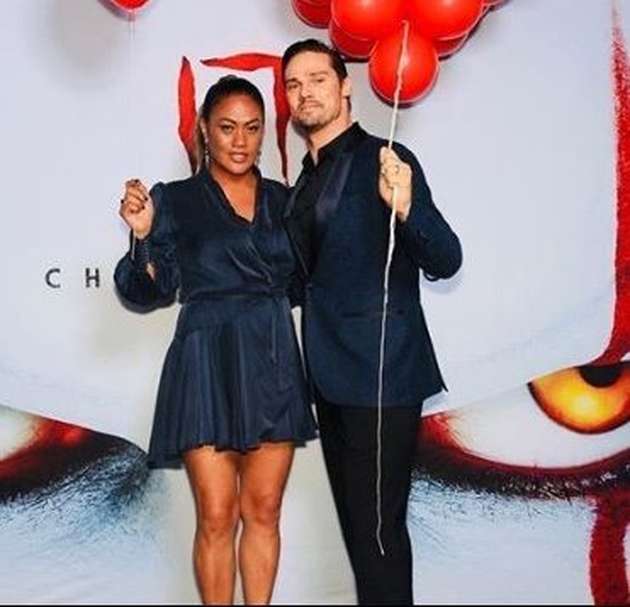
Dianna Fuemana: Redefining Pacific Narratives On Global Stages
Dianna Fuemana: Redefining Pacific Narratives On Global Stages
Across the Pacific diaspora, Dianna Fuemana stands out as a transformative storyteller who bridges communities through raw, personal narratives. As a New Zealand-born writer and director of Samoan descent, she has consistently centered Pacific voices in mainstream theatre and screen, challenging stereotypes with nuanced authenticity. Her work interrogates identity, displacement, and belonging, reflecting the complex realities of transnational families. This article examines how Fuemana’s groundbreaking contributions reshape cultural discourse and inspire emerging artists.
Fuemana’s journey began in South Auckland, where she witnessed the tensions between traditional Samoan values and contemporary New Zealand life. Growing up between two worlds instilled a dual perspective that now defines her artistic vision. "I am constantly translating," she has noted in prior interviews, "not just language, but emotional landscapes." This inherent duality fuels her commitment to stories often overlooked by dominant media.
Her breakthrough stage work, *Mapaki*, co-created with Oscar Kightley and Simon Small, exploded onto the New Zealand theatre scene in the early 2000s. The play confronted issues of violence, masculinity, and cultural dislocation within Pacific communities, eschewing romanticized clichés for fierce honesty. Critics praised its unflinching gaze, with one reviewer calling it "a seismic shift in how Pacific experiences are staged." The success of *Mapaki* demonstrated that hard-hitting narratives rooted in specific cultural contexts could resonate universally.
Fuemana’s approach to storytelling emphasizes collaboration and community immersion. She frequently works closely with Pacific Islander actors, ensuring lived experiences inform every performance. This methodology contrasts sharply with conventional Western theatre practices that often exoticize marginalized voices. By prioritizing authenticity over spectacle, she builds spaces where underrepresented performers reclaim their narratives.
Beyond the stage, Fuemana has made significant inroads in television and film. She served as a writer for the acclaimed New Zealand series *The Market*, bringing nuanced Pacific perspectives to prime-time drama. Her involvement in screenwriting workshops across the Pacific Islands underscores her dedication to nurturing local talent. Emerging filmmakers now benefit from her mentorship, learning to articulate their own visions without compromise.
Key elements of Fuemana’s philosophy include:
- **Centering Marginalized Voices**: Prioritizing stories from Pacific communities, told by Pacific people.
- **Embracing Complexity**: Rejecting simplistic narratives in favor of multifaceted characters.
- **Cultural Specificity as Strength**: Leveraging distinct traditions and languages to create richer storytelling.
- **Interdisciplinary Collaboration**: Blending theatre, film, and digital media to reach broader audiences.
Her influence extends internationally through festivals such as the Edinburgh International Festival and the London International Festival of Theatre. When *Mapaki* toured Europe, it sparked vital conversations about colonial legacies and migrant experiences. Audiences encountered a version of the Pacific rarely seen in Western theatres—one vibrant, complicated, and defiantly present.
Challenges persist, however, as funding for Pacific arts remains uneven compared to mainstream sectors. Fuemana has spoken openly about the hurdles of sustaining innovative work within restrictive economic frameworks. "We fight for every dollar," she remarked in a 2022 cultural forum, "but the cost of silence is greater." This struggle highlights the systemic barriers facing artists who refuse to dilute their cultural specificity.
Technology now offers new avenues for Fuemana’s storytelling. Virtual reality and digital platforms enable immersive experiences that transport global audiences into Pacific worlds. She is exploring these tools to preserve oral histories and ancestral knowledge, ensuring they evolve rather than fade. Such innovation demonstrates her adaptability without sacrificing core values.
Mentorship forms another cornerstone of her legacy. Through workshops and residency programs, she guides young Pacific artists in developing their craft. Participants gain not only technical skills but also confidence to challenge industry norms. This ripple effect ensures her impact will long outlast any single project.
Fuemana’s work consistently returns to themes of home—both its warmth and its wounds. In *Sunday Morning with Johnny Vaughan*, she dissected the immigrant experience with humor and pathos. The play’s protagonist navigates grief across generations, illustrating how displacement echoes through families. Such narratives humanize statistics often reduced to mere demographic categories.
Her contributions have earned numerous accolades, including prestigious arts honors recognizing her cultural impact. Yet she remains focused on the work itself rather than personal recognition. "The story is bigger than me," she insists, reflecting a humility that fuels her collaborative approach.
As Pacific populations continue to grow globally, Fuemana’s voice becomes ever more vital. She compels institutions to confront their colonial histories and embrace equitable representation. Her insistence on dignity and complexity offers a blueprint for inclusive storytelling worldwide. The evolution of Pacific cinema and theatre remains inextricably linked to her pioneering efforts.
Looking ahead, Fuemana envisions a landscape where Pacific stories no longer require justification for their existence. Mainstream platforms increasingly seek her perspective as gatekeepers slowly acknowledge past exclusions. Her current projects hint at further exploration of diaspora experiences, always with an eye toward healing and connection.
In a media environment saturated with superficial content, Dianna Fuemana’s commitment to truth-telling stands as a beacon. She transforms personal history into universal art, compelling audiences to see beyond inherited biases. Through relentless advocacy and unparalleled creativity, she ensures Pacific narratives claim their rightful place on the world stage.
Related Post

Unveiling the Visionary Force: An In-Depth Exploration of Dianna Fuemana’s Impact Across Innovation, Leadership, and Social Change
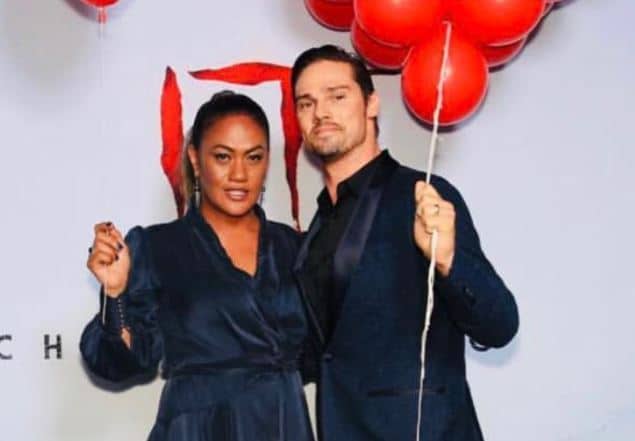
Unveiling The Literary Genius of Dianna Fuemana: Discoveries and Insights That Redefine Modern Narrative
Dianna Fuemana: Pioneering Legal Advocacy at the Intersection of Gender, Technology, and Human Rights
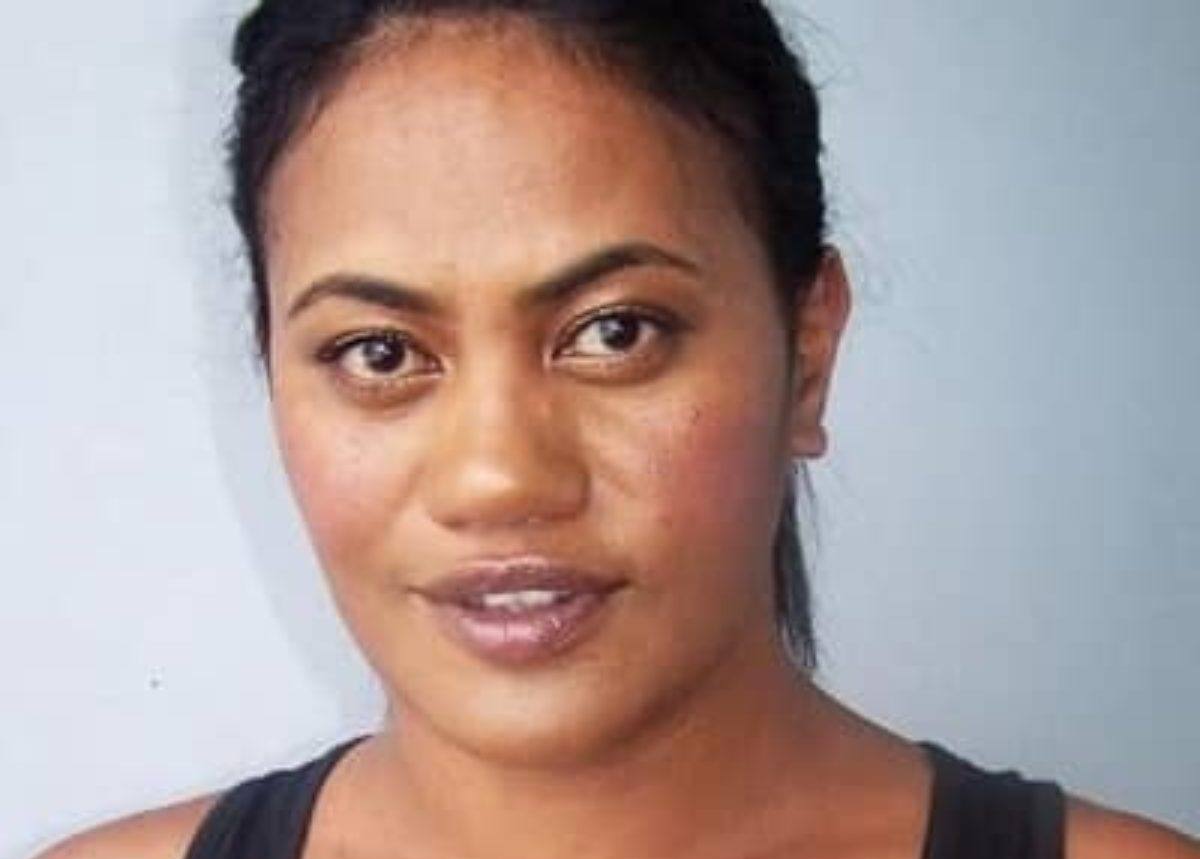
Unveiling the Literary Genius of Dianna Fuemana: Insights That Redefine Modern Storytelling