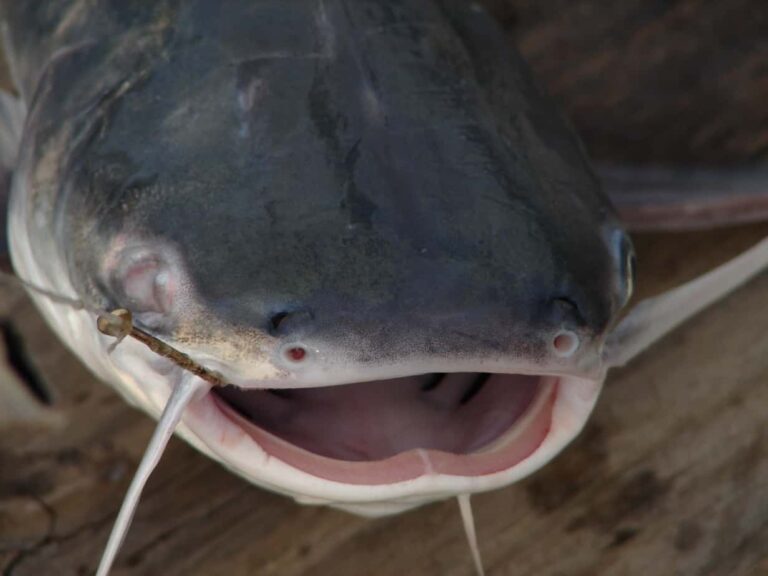
Do Catfish Have Teeth? The Truth About Their Bite, Diet, and Evolutionary Adaptations
Do Catfish Have Teeth? The Truth About Their Bite, Diet, and Evolutionary Adaptations
Catfish are often misunderstood creatures, surrounded by myths and exaggerated tales, one of the most persistent being the question of whether they possess teeth. While many assume these bottom-dwelling fish are toothless, the reality is far more complex and fascinating. In fact, nearly all catfish species do have teeth, though their structure, function, and visibility vary dramatically depending on the species and their evolutionary adaptations. This article explores the intricate world of catfish dentition, examining how their teeth function, what they eat, and why these features are crucial to their survival in diverse aquatic environments.
Anatomy of Catfish Teeth: Structure and Types
Unlike the prominent, sharp teeth of predatory fish like sharks, catfish teeth are generally small and arranged in unique patterns. Most catfish have rows of fine, bristle-like teeth located on their upper and lower jaws, as well as on the base of their tongue. These teeth are not designed for tearing flesh but are instead adapted for gripping, scraping, and manipulating food. The teeth are typically conical or molar-like, covered in a hard enamel-like substance called vitrodentine, which provides durability for their specific feeding habits.
The structure of catfish teeth varies significantly across species. For example, channel catfish, one of the most studied species, have numerous small teeth arranged in bands on their upper and lower jaws. These teeth are ideal for crushing and grinding a diet that includes insects, crustaceans, and plant matter. In contrast, species like the blue catfish have similar jaw teeth but may have additional teeth on their tongue, known as basibranchial teeth, which help them process larger prey. This diversity in tooth structure is a direct result of their varied diets and ecological niches.
Function and Purpose of Catfish Teeth
Catfish teeth serve several critical functions, primarily related to feeding and survival. While they are not used to chew large prey into pieces, they play a vital role in securing and processing food. When a catfish encounters potential prey, such as a crawfish or insect, it uses its teeth to grip and hold the item, preventing it from escaping. This gripping action is especially important for species that feed in fast-moving currents or murky waters where visibility is low.
Additionally, teeth aid in the mechanical breakdown of food. For instance, flathead catfish, which primarily consume other fish, use their teeth to secure slippery prey and position it for swallowing. The teeth also assist in scraping algae and detritus from rocks and submerged surfaces, a common feeding behavior among many catfish species. This scraping action is facilitated by the rough texture of their teeth, which act like tiny files to remove organic matter.
Dietary Habits and How Teeth Influence Feeding
The diet of a catfish is largely determined by its environment and the structure of its teeth. Most catfish are omnivorous or opportunistic feeders, consuming a wide range of food sources including insects, small fish, crustaceans, mollusks, and plant material. The small, numerous teeth of most catfish are perfectly suited for this varied diet, allowing them to manipulate and process different types of food efficiently.
- Insect Larvae: Many catfish species feed on aquatic insect larvae, using their teeth to hold and crush the tough exoskeletons.
- Crustaceans: Crabs and crayfish are common prey for larger catfish, and their teeth help grip and process these hard-shelled organisms.
- Plant Matter: Some catfish consume algae and decaying plant material, using their teeth to scrape and gather this food from submerged surfaces.
- Small Fish: Predatory species like the blue catfish use their teeth to secure and subdue smaller fish before swallowing them whole.
Comparisons with Other Fish Species
When compared to other fish species, catfish teeth may seem unremarkable, but they are highly specialized for their lifestyle. Unlike the large, tearing teeth of predatory fish such as pike or bass, catfish teeth are designed for precision and manipulation rather than brute force. This difference highlights the diverse evolutionary paths taken by fish to adapt to their environments and food sources.
For example, consider the contrast between catfish and piranhas. Piranhas have sharp, triangular teeth optimized for cutting through flesh, while catfish teeth are better suited for gripping and grinding. This distinction reflects the different ecological roles these fish play—piranhas as active predators and catfish as bottom-dwelling foragers. Such comparisons underscore the importance of tooth structure in defining a fish's feeding strategy and survival tactics.
Misconceptions and Myths About Catfish Teeth
Despite their prevalence, catfish are often subject to misconceptions regarding their teeth. One common myth is that catfish have "venomous" teeth or spines, which is false. While some catfish species have sharp fin spines that can deliver a painful sting, their teeth are harmless to humans and are not used for defense. Another misconception is that catfish are bottom feeders that consume anything, including garbage, due to their teeth. In reality, their feeding habits are highly selective and influenced by their environment and available food sources.
These myths often stem from a lack of understanding about catfish biology and behavior. Educating the public about the true nature of catfish teeth and their role in the ecosystem is essential for fostering appreciation and conservation efforts. As research continues to uncover the complexities of catfish dentition, these fascinating fish are gaining recognition for their unique adaptations and ecological importance.
Evolutionary Significance of Catfish Teeth
The evolution of catfish teeth is a testament to the adaptability of these creatures. Fossil evidence suggests that catfish have existed for over 30 million years, and their teeth have evolved to suit changing environments and dietary needs. The development of small, numerous teeth allowed catfish to exploit a wide range of food sources, from microscopic organisms to larger prey. This evolutionary flexibility has contributed to their success in diverse habitats, from freshwater rivers to brackish estuaries.
Scientists continue to study catfish teeth to gain insights into their evolutionary history and ecological roles. Advanced imaging techniques, such as micro-CT scanning, are being used to examine tooth structure and development in unprecedented detail. These studies not only enhance our understanding of catfish biology but also provide valuable information about the broader evolutionary trends in fish dentition. As research progresses, the story of catfish teeth will undoubtedly reveal even more about these remarkable creatures.
Related Post