Does Rumchata Go Bad? The Truth About Expiration, Spoilage, and Safety
Does Rumchata Go Bad? The Truth About Expiration, Spoilage, and Safety
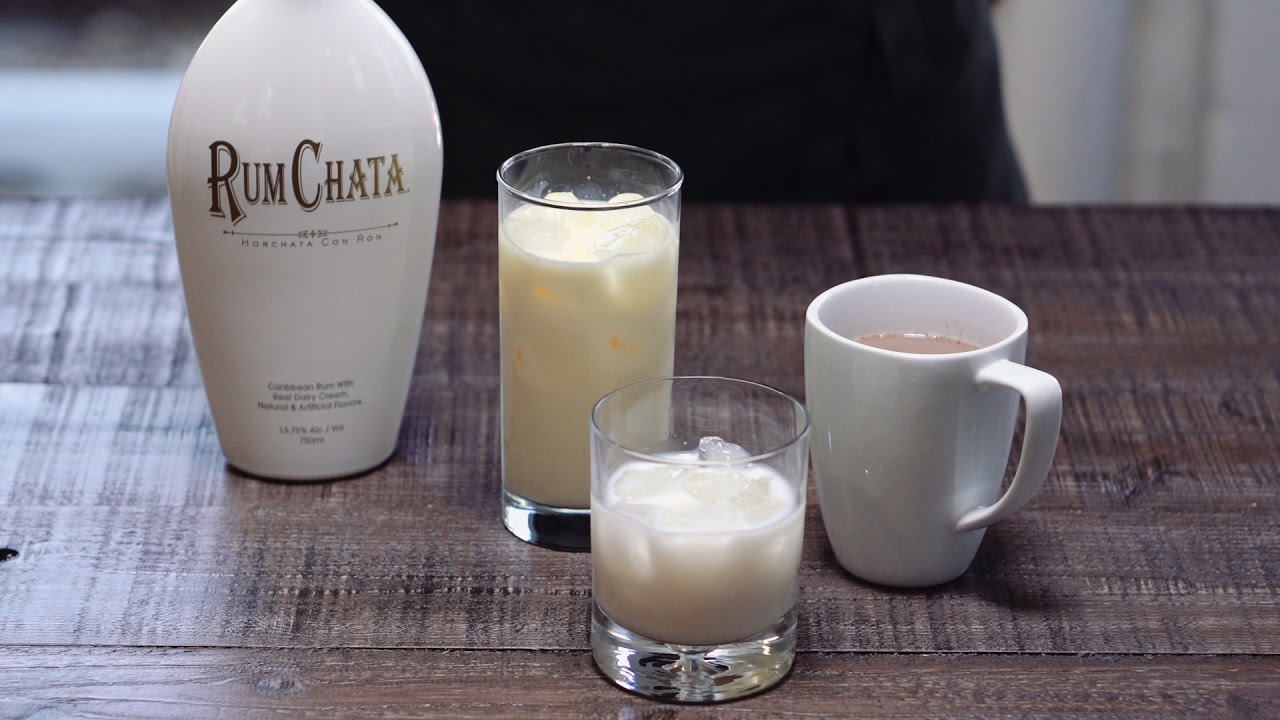
Rumchata, the creamy liqueur blending rum and dairy, sits in many home bars, raising a common question: does it go bad? While its shelf life is remarkably long due to its alcohol and dairy components, understanding storage conditions and spoilage signs is essential for maintaining both safety and flavor. This article examines how Rumchata ages, what happens after opening, and how to determine if a bottle is still safe to consume.
The composition of Rumchata explains much of its longevity. It combines a neutral spirit, dairy, sugar, and natural flavors, creating an environment where alcohol and sugar act as preservatives while dairy introduces a potential vector for spoilage if improperly handled. Unlike pure cream, the high alcohol content inhibits bacterial growth, but this protection is not infinite, particularly once the seal is broken and the product is exposed to oxygen, light, and temperature fluctuations.
Understanding the distinction between peak quality and safety is critical when evaluating Rumchata. A bottle may remain safe to drink long after its prime flavor profile has faded, but it can also become undrinkable well before any date on the label if stored incorrectly. The journey from a freshly poured cocktail to a flat, sour liquid involves several stages, and recognizing the signs of deterioration is the responsibility of the consumer.
Proper storage is the single most important factor in extending Rumchata’s lifespan. Heat, light, and oxygen are the three enemies of any liqueur, and Rumchata is no exception. Storing a bottle in a cool, dark place like a pantry or cabinet away from the stove or a sunny window is far superior to leaving it on a bar counter. Temperature stability is also vital; repeated cycles of warming and cooling can cause emulsification to break, leading to separation that may or may not be reversible.
Once a bottle of Rumchata is opened, the clock starts ticking, even if the cap is tightened afterward. Exposure to air begins the oxidation process, which dulls the aromatic compounds that give the liqueur its characteristic taste. While the alcohol content prevents immediate spoilage, the dairy component can begin to sour over time. For best results, consumers are advised to treat an opened bottle similarly to how they would treat milk, aiming to finish it within a few months to enjoy it at its intended quality.
The printed dates on Rumchata bottles are often a source of confusion. "Best before" dates refer to flavor and texture, not safety, whereas "use by" dates are more conservative indicators of peak quality. In practice, these dates serve as guidelines rather than hard deadlines. A bottle stored in ideal conditions might taste perfectly fine for significantly longer than the date suggests, while one subjected to heat and light might taste off well before the date has passed.
Identifying spoiled Rumchata relies on observation, smell, and taste rather than a single expiration date. Visual cues include excessive separation that does not recombine when shaken, the presence of chunks, or a change in color that suggests contamination. If the liquid develops a sour, rancid, or off-putting odor, it is a strong indicator that the dairy has turned. A small taste test can confirm suspicion; if the flavor is harsh, acidic, or simply unpleasant, it is best to discard the bottle.
The consequences of consuming spoiled Rumchata are generally limited to gastrointestinal discomfort rather than serious health risks, assuming the spoilage is due to dairy turning rather than contamination. The growth of harmful bacteria is inhibited by the alcohol content, but mold or extreme sourness are signs that the product has failed. As with any spoiled food, individuals with compromised immune systems should exercise extreme caution and avoid consuming any product that shows signs of advanced deterioration.
Mixing Rumchata into cocktails can sometimes mask age-related flaws, but it is not a foolproof method of quality control. A spoiled liqueur can throw off the balance of a drink, leaving a bitter or grainy aftertaste that ruins the intended experience. Bartenders and home enthusiasts alike recommend tasting a splash of the Rumchata on its own before using it in a recipe to ensure it contributes to the cocktail rather than detracts from it.
Ultimately, the question of whether Rumchata goes bad does not have a yes or no answer, but rather a spectrum of quality and safety. With proper care, an unopened bottle can last for years, while an opened one requires attention and diligence. By understanding the factors that affect its integrity—storage, time, and sensory changes—consumers can make informed decisions, reduce waste, and ensure that every Rumchata-based cocktail remains as enjoyable as the first sip.
Related Post
Does Rumchata Go Bad? A Comprehensive Guide to Its Shelf Life and Storage

Diane Fawcett Walls: A Journey Through Resilience

Rakuten Eagles Baseball: Revitalizing draft culture and deepening fan passion in Japan

Robert Patrick Movies and TV Shows: A Comprehensive Guide to a Canadian Action Icon