East Coast States in Economic Crosshairs: Policy Shifts, Climate Pressures, and the Road Ahead
East Coast States in Economic Crosshairs: Policy Shifts, Climate Pressures, and the Road Ahead
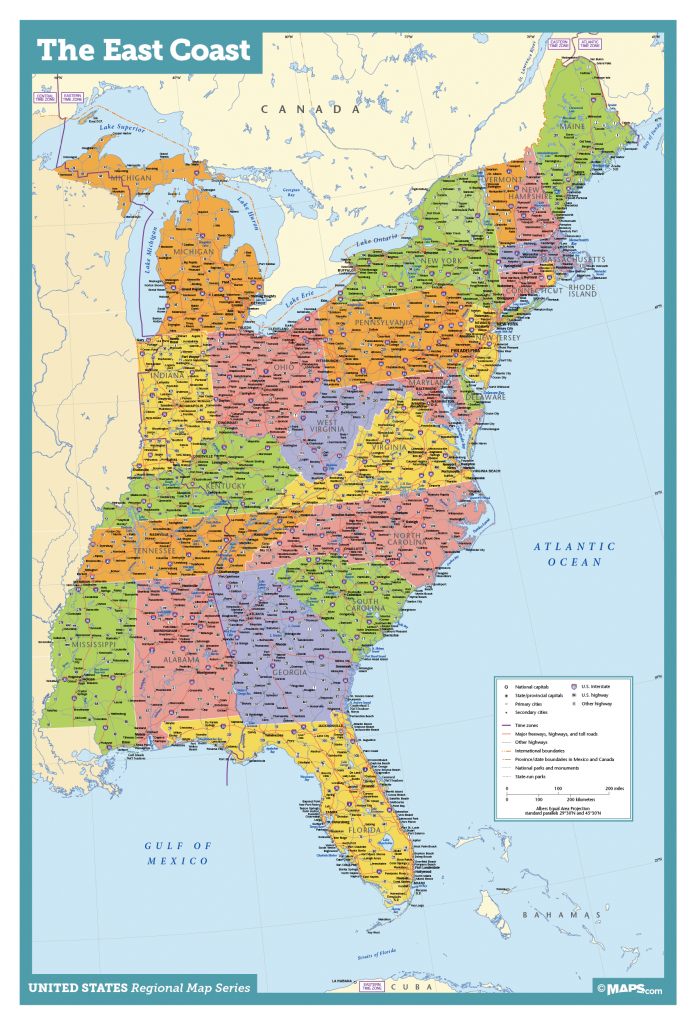
From Maine to Florida, the East Coast states are navigating a convergence of fiscal recalibration, climate risk, and demographic transformation. Rising sea levels and aging infrastructure sit alongside tightening federal budgets and shifting labor markets, reshaping priorities from boardrooms to town halls. This analysis examines how coastal and inland states along the Atlantic are responding to these intersecting pressures through policy innovation, investment reallocation, and regional collaboration.
The economic landscape across the East Coast is increasingly defined by asymmetric pressures. While financial and technology hubs in New York, Boston, and Washington continue to attract high-value capital, many secondary cities and rural counties face persistent workforce shortages and infrastructure decay. Climate volatility adds a further layer of complexity, with recent studies indicating that East Coast states could face annual economic losses in the hundreds of billions by mid-century if current trends in sea level rise and storm intensity persist.
As states compete for mobile capital and talent, their policy frameworks must address both immediate climate adaptation needs and long-term competitiveness in a decarbonizing global economy.
Infrastructure and Climate Resilience as Economic Imperatives
Aging transport networks, overburdened energy grids, and vulnerable coastal defenses have moved from environmental concerns to core economic issues. The American Society of Civil Engineers consistently gives D grades to East Coast transit and bridge infrastructure, estimating billions in needed upgrades. Port authorities from Savannah to Newark are racing to raise terminals and dredge channels to accommodate larger vessels and higher water levels, while utility companies are hardening grids against storms that now arrive with increasing frequency.
Consider Norfolk, Virginia, a hub of naval and commercial shipping activity. Officials there have implemented layered flood protection measures, including upgraded pumping stations and revised zoning codes for new development in high-risk zones. "We can't wait for federal action alone," notes a municipal infrastructure director in the region. "Every dollar we invest in resilience today saves four or five in future disaster recovery and business disruption costs."
Key infrastructure challenges include:
- Coastal road and rail corridors regularly disrupted by tidal flooding
- Aging water and sewage systems in older urban centers
- Energy grid vulnerability during extreme heat and storm events
- Inadequate broadband coverage hampering rural economic development
Climate adaptation is increasingly tied to credit ratings and municipal bond costs. Rating agencies now factor exposure to climate risk into their assessments, meaning poorly prepared states and localities may face higher borrowing costs. Insurers, too, are retreating from high-risk coastal zones or sharply increasing premiums, pushing homeowners and businesses to reconsider location and building practices.
Fiscal Pressures and Policy Innovation
Many East Coast states confront structural budget constraints even as demands on public services grow. Population aging, combined with outmigration of middle-income households in high-cost metros, is reducing tax bases in some regions while increasing pressure on healthcare and pension systems. States like New York and Connecticut have experimented with tax incentive programs to retain businesses and high-net-worth individuals, with mixed results in terms of net fiscal gain.
At the same time, a wave of policy innovation is emerging. Several states have established climate resilience funds, leveraging federal infrastructure dollars and targeted bonding to finance seawalls, wetland restoration, and community relocation programs. Regional initiatives, such as the Transportation and Climate Initiative in the Northeast, aim to reduce transportation emissions while generating revenue for transit and highway improvements.
Federal policy continues to shape the fiscal environment. Recent changes in corporate taxation, clean energy credits, and infrastructure spending have created new opportunities for states willing to align their strategies with emerging federal priorities. States that position themselves as partners in broader regional economic goals—such as offshore wind development or electric vehicle corridor建设—may capture disproportionate shares of new investment.
Labor Markets and Competitive Positioning
Labor markets along the East Coast are undergoing significant shifts. While major metro areas report strong job growth in technology, healthcare, and professional services, more rural counties struggle with outmigration and a mismatch between available jobs and required skills. Remote work has expanded options for some residents, enabling a partial decentralization away from expensive coastal cities, though it has also intensified demand for high-speed broadband in previously underserved areas.
Education and workforce development have become central to state competitiveness. Governors and economic development officials increasingly frame investments in community colleges, vocational training, and STEM programs as economic necessities rather than optional expenditures. Some states are forging partnerships with private employers to create apprenticeship pipelines, particularly in advanced manufacturing and maritime industries that remain vital to the region.
Migration patterns reveal a nuanced story. While New York and New Jersey experienced population declines in recent years, Sun Belt-adjacent states in the Southeast corridor have seen growth, raising questions about whether this represents a permanent reallocation or a temporary reaction to pandemic-era disruptions. What remains clear is that quality of life indicators—affordable housing, transit options, and environmental health—are increasingly decisive in attracting and retaining talent.
Regional Coordination and the Path Forward
No East Coast state operates in isolation. Regional collaboration on transportation, energy, and environmental issues has deepened through compacts and interstate agreements. The need for coordinated responses to shared challenges—from managing offshore wind farm development to preparing for hurricane seasons—has made multistate forums more relevant than ever.
Looking ahead, key uncertainties include how rapidly federal climate and infrastructure policies will be implemented, how quickly decarbonization technologies scale, and how demographic shifts will reshape political and economic priorities. States that balance fiscal prudence with strategic investment in resilience and innovation are likely to emerge stronger, while those that delay difficult decisions may find their options narrowing.
For businesses and residents, the takeaway is clear: the region's economic trajectory will be shaped by how effectively governments, private sector actors, and communities align around long-term goals. Short-term political cycles and competing demands require steady, evidence-based governance to navigate the converging risks and opportunities on the horizon.
Related Post
The East Coast States: Blueprint of American History, Power, and Reinvention
The Ultimate List East Coast States: A Complete Guide to the Atlantic Seaboard