El Reno: How a Oklahoma Crossroads City Channels Tornado Fury into Economic Innovation
El Reno: How a Oklahoma Crossroads City Channels Tornado Fury into Economic Innovation
El Reno, a city in Canadian County, Oklahoma, has transformed its identity from a quiet agricultural hub into a national center for meteorological research and storm chasing tourism. This transformation was catalyzed by the devastating EF3 tornado that struck the city on May 31, 2013, killing storm chaser Tim Samaras and his son Paul. Today, El Reno leverages its unique meteorological history to drive economic development through science, education, and tourism, positioning itself as a key player in understanding severe weather.
Located along historic Route 66, El Reno sits at a strategic crossroads just west of Oklahoma City. Its location places it directly within Tornado Alley, a region of the United States characterized by high atmospheric instability and frequent supercell thunderstorms. The city's proximity to the Interstate 40 corridor and the North Canadian (Cimarron) River has historically made it a vital transportation and trade center, a role it continues to fulfill while embracing a new identity as a weather research epicenter.
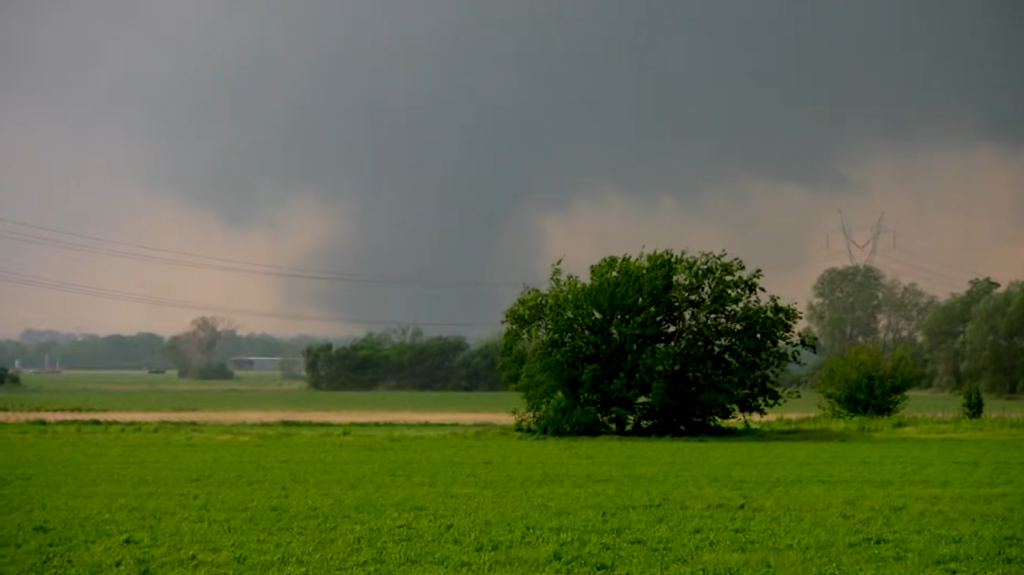
The defining moment in modern El Reno history arrived on the evening of May 31, 2013. A supercell thunderstorm developed southwest of the city, eventually producing a multi-vortex tornado that would achieve record status. This tornado was not only exceptionally powerful but also remarkably wide, reaching a maximum width of 2.6 miles, making it the widest tornado ever documented in the United States. The storm's lethality was tragically underscored by the death of veteran storm chaser Tim Samaras, his son Paul, and colleague Carl Young, who were overwhelmed while conducting near-ground scientific measurements.
The 2013 tornado was a pivotal wake-up call for the community. It caused significant damage to infrastructure, homes, and businesses in and around El Reno. Yet, from the rubble and scientific data emerged a renewed sense of purpose. The disaster highlighted the critical need for better understanding of low-level tornado dynamics and the dangers faced by both researchers and the public. It shifted the local conversation from simple weather reporting to active scientific engagement and community resilience.
In the aftermath, El Reno became a focal point for meteorological field research. Organizations like the National Severe Storms Laboratory (NSSL), based in Norman, Oklahoma, increased their presence in the area. The city’s name is frequently associated with groundbreaking studies on tornado formation, particularly the role of rear-flank downdrafts and the complex interaction between storms and the ground-level boundary layer. Researchers utilize El Reno as a natural laboratory, setting up Doppler on Wheels (DOW) radar trucks and deploying instrumented vehicles to collect data inches from the fury.
This scientific focus has directly fueled a burgeoning tourism industry centered on weather education and storm chasing. Local entrepreneurs have capitalized on the city’s meteorological notoriety. Businesses now offer storm chasing tours, weather-themed accommodations, and educational workshops for enthusiasts and students. The annual "Stormfest" celebration, typically held in the fall, transforms the city into a hub for meteorologists, amateur storm chasers, and curious visitors. The event features lectures, demonstrations, and opportunities to meet researchers who have chased storms in El Reno.
The economic impact of this pivot is significant. Where the city once relied solely on agriculture and manufacturing, it now derives substantial revenue from a high-tech, adventure-driven sector. Hotels fill up during severe weather outlooks, local restaurants cater to tour groups, and educational institutions partner with the city to offer field experiences. This diversification has made the local economy more resilient, providing a buffer against the traditionally cyclical nature of farming. As one local business owner noted, "We went from being just another crossroads town to a destination for people who want to understand the sky itself. It’s given our community a new purpose."
El Reno's transformation is also evident in its educational infrastructure. The city hosts partnerships with universities and research institutions, providing students with unparalleled access to fieldwork. Programs focus on hands-on experience with weather instrumentation, data analysis, and public safety outreach. This educational component is crucial for training the next generation of meteorologists and emergency managers. Schools in the district have integrated weather science into their curricula, fostering a culture of scientific literacy from a young age. Students learn not just the facts of meteorology, but the real-world implications of living in a high-risk environment.
The community's relationship with the sky is complex. Residents live with an inherent awareness of weather that outsiders often struggle to comprehend. This awareness is not born of fear, but of respect and preparedness. El Reno has developed sophisticated emergency response protocols, leveraging its unique position in the meteorological community. Local officials work closely with the National Weather Service to ensure that warnings are not only accurate but also actionable. The tragic loss in 2013 informed these protocols, emphasizing the importance of clear communication and safe storm-chasing practices.
Looking forward, El Reno faces the ongoing challenge of balancing tourism with scientific integrity and public safety. The city must manage the influx of visitors eager to chase storms while ensuring that their presence does not compromise research or create hazardous situations on local roads. Urban planning continues to address the vulnerabilities exposed by the 2013 tornado, including improvements in infrastructure and drainage. The city's leaders are keenly aware that their fame is tied to a powerful natural force that demands humility and caution.
El Reno stands as a testament to the profound intersection of nature, science, and human enterprise. It is a place where the destructive power of a tornado has been met with intellectual curiosity and economic reinvention. The city's journey from the wide-path devastation of 2013 to its current status as a hub for meteorological innovation offers a model for other communities in tornado-prone regions. By embracing the science behind the storms, El Reno has turned a legacy of fear into a future of understanding and opportunity. The skies over Oklahoma may be unpredictable, but the city’s resolve to learn from them has never been clearer.
Related Post
The El Reno Tornado 2013: When The Sky Opened And Changed The Science Of Survival
The El Reno Oklahoma Tornado: Dissecting The Anatomy Of A Record-Breaking Storm
El Reno Tornado Unveiling 2013S Fury And Wind Speed: The Record-Breaking Storm That Rewrote The Textbooks
The El Reno, Oklahoma Tornado: Dissecting The Most Powerful Tornado Ever Documented