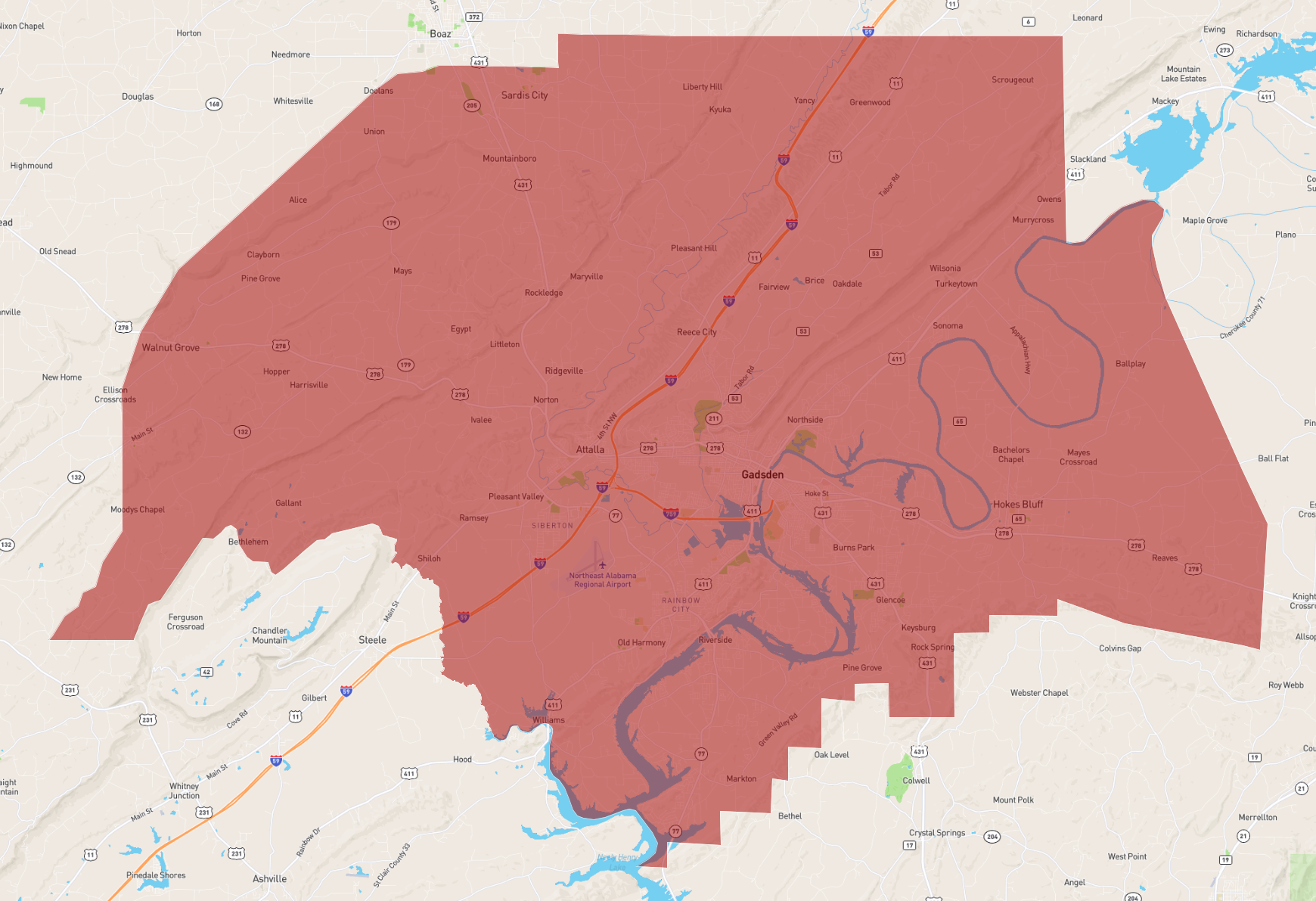
Etowah County Mugshots Alabama: Public Access, Privacy Concerns, and the Digital Archive
Etowah County Mugshots Alabama: Public Access, Privacy Concerns, and the Digital Archive
In Etowah County, Alabama, digital mugshot repositories have transformed how the public accesses arrest records, raising questions about privacy and fairness. These online databases, often operated by commercial entities, provide immediate visual identification of individuals taken into custody, searchable by name. While intended to increase transparency, the widespread availability of these images has sparked debate over due process and the right to be forgotten.
Arrest records in the United States are generally considered public information, a principle rooted in the First Amendment and intended to hold law enforcement accountable. The advent of digital photography and the internet has simply streamlined the dissemination of this information, moving it from physical files in a sheriff’s office to instant global access. In Etowah County, this manifests through specific platforms that aggregate booking photographs alongside basic arrest details. This article examines the mechanics, implications, and controversies surrounding the digital archive of Etowah County mugshots.
The primary source for these images is the Etowah County Sheriff's Office, which is the principal law enforcement agency for the county. The Sheriff's Office is responsible for operating the county jail, processing all arrests made within the county's jurisdiction, and maintaining the corresponding records. When an individual is taken into custody, a standardized booking process occurs, which includes photographing, fingerprinting, and collecting personal information.
The Booking Process and Public Record
The creation of a mugshot is a routine administrative step in the judicial process. It is not an indication of guilt but rather a method of identification.
* **Photography:** A standardized photo is taken of the front and side profiles against a neutral background.
* **Fingerprints:** Ten-print fingerprint cards are created to verify identity and check for criminal history.
* **Personal Information:** Details such as name, date of birth, address, and the alleged offense are recorded.
* **Property Inventory:** Any belongings, such as clothing or jewelry, are logged and stored.
Once this information is entered into the sheriff’s office records system, it becomes part of the public domain. In Alabama, the Alabama Sunshine Law (Alabama Code §36-12-40) presumes that all public records are open for public inspection, unless specifically exempted by law. Mugshots, arrest reports, and booking logs fall outside these specific exemptions, making them legally accessible.
The Digital Shift: From Physical Files to Online Aggregators
Historically, accessing these records required a visit to the Sheriff's Office or a specific request to view files. The digital age changed this dynamic entirely.
1. **Sheriff’s Office Portal:** The Etowah County Sheriff's Office likely provides an online portal or an email address to request records. This is the official and direct method.
2. **Commercial Aggregator Websites:** A significant portion of public access occurs through third-party websites. These companies use automated "bots" or "crawlers" to scan court and sheriff databases across the country. When they find a new booking photo, they add it to their searchable database. Their business model often revolves around charging individuals fees to have their photos removed from the site.
This aggregation creates a centralized location where an individual's entire booking history can be reviewed. For researchers, journalists, or concerned citizens, this is a powerful tool. For the subjects of the photos, however, the implications can be severe and long-lasting.
The Controversy: Privacy, Employment, and Stigma
The ease of access to these images has generated significant criticism. The core issue is the balance between public transparency and individual privacy, particularly for those who are never charged or are later found not guilty.
"Being arrested is not a crime, yet these sites act as if it is a permanent scarlet letter," stated a local social services director who wished to remain anonymous. "When an employer or potential landlord types a person's name into Google and these mugshots are the first thing they see, it creates an immediate and often insurmountable barrier to reintegration into society."
The problems associated with these sites are numerous:
* **Presumption of Innocence:** The visual impact of a mugshot is powerful. Seeing a person’s face associated with an arrest, even if the charges were dropped, can bias public perception.
* **Employment Barriers:** Many employers conduct background checks. The presence of an old or resolved arrest can lead to automatic disqualification from jobs, regardless of the candidate's qualifications or the outcome of the case.
* **Extortion Tactics:** There have been numerous reports of websites threatening to keep mugshots public unless a fee is paid for removal. This practice has been labeled by some consumer protection agencies as predatory.
* **Digital Permanence:** Unlike a physical file that can be sealed or stored in a basement, digital images are nearly impossible to completely erase from the internet. Copies can exist on servers worldwide.
In Etowah County, these concerns are not abstract. Residents have reported difficulties finding employment due to their image appearing on these sites. The psychological toll of being publicly shamed for a legal proceeding that has not resulted in a conviction is a serious issue.
Legal Landscape and Reform Efforts
The legal framework surrounding mugshot publication is complex and evolving. While the arrest itself is public, the commercial exploitation and prolonged display of the image are facing increased scrutiny.
Several states have passed laws to regulate these sites. Some require that the sites remove mugshots upon proof of an expunged record or a dismissed charge. Others prohibit the sites from charging removal fees. Alabama has seen legislative activity aimed at curbing the worst practices of these businesses. The intent is to prevent digital witch hunts while still maintaining the transparency of the arrest process.
Etowah County officials are aware of the debate. A spokesperson for the Sheriff's Office noted, "Our duty is to maintain accurate records and make them available as required by law. How those records are used by third parties is a broader societal issue concerning internet privacy laws." This highlights the jurisdictional challenge; local law enforcement can control their own processes, but they have limited power over private companies operating on the global internet.
A Tool for Accountability and a Double-Edged Sword
It is crucial to acknowledge the legitimate purpose of these records. They serve as a check on law enforcement power. Citizens have the right to know who was arrested and for what reason. In cases of public officials or high-profile incidents, mugshots provide visual confirmation of events.
* **Accountability:** They ensure that law enforcement actions are visible to the public.
* **Safety:** They allow the public to be aware of individuals who have been recently taken into custody, potentially protecting community safety.
* **Record Verification:** They provide a verifiable link to an official state record.
However, the system is not without flaws. The gap between an arrest and a final legal determination is significant. For many, the damage is done long before any day in court. The current digital ecosystem often punishes individuals for mistakes made during a chaotic moment, long before any sentence is served.
The debate over Etowah County mugshots online is a microcosm of the larger tension between transparency and privacy in the digital age. As technology continues to evolve, so too must the laws and societal norms that govern the use of personal information. The goal should be a system that maintains public trust in law enforcement while protecting the civil liberties of those who have not been convicted of a crime. The digital mugshot, for now, remains a powerful and contentious symbol of that ongoing struggle.
Related Post