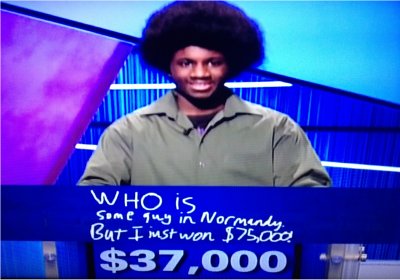
Fikkle Fame: How a Digital Persona Captured the Internet’s Imagination
Fikkle Fame: How a Digital Persona Captured the Internet’s Imagination
Across message boards and social feeds, a figure known as Fikkle Fame has evolved from an inside joke into a widely recognized digital persona. This character, defined by exaggerated confidence and ironic detachment, encapsulates the chaotic creativity of online culture in the early 2020s. What began as niche meme energy has rippled into mainstream commentary, influencing how people understand anonymity, performance, and authenticity on the internet.
Fikkle Fame first surfaced in the sprawling ecosystems of 4chan and Discord, where users trade in-jokes and experiment with absurdist archetypes. Unlike traditional influencers built around a polished personal brand, Fikkle Fame thrives on detachment, parody, and a refusal to be pinned down. Screenshots of hyperbolic boasts, convoluted schemes, and abrupt mood shifts spread quickly, turning the figure into a symbol of chaotic online ambition.
The appeal of Fikkle Fame lies in the way it holds a funhouse mirror to internet culture itself. Every exaggerated claim and self-inflicted defeat reflects familiar patterns of hype, backlash, and reinvention. By leaning fully into the bit, the persona exposes the thin line between confidence and delusion that runs through many online communities.
Memes are rarely just jokes; they are compact stories that spread because they resonate with shared experiences. Fikkle Fame functions as a meme in narrative form, compressing internet anxieties about status, clout, and failure into a repeatable, sharable format. Threads detailing the latest Fikkle Fame escapade often include commentary from users who recognize their own impulses in the character’s overreaching schemes.
Analyzing the structure of Fikkle Fame posts reveals a consistent pattern that fuels engagement. Typical entries mix bold declarations with self-sabotaging details, creating tension between ambition and outcome. Users often highlight small victories within larger failures, allowing the narrative to double as both brag and complaint. This tonal shift invites readers to laugh with the character while subtly critiquing the culture that rewards such performative hustle.
Online discourse frequently treats confidence as a scarce resource, and Fikkle Fame weaponizes this scarcity. Posts are framed around grand projects, secret strategies, and inevitable success, only to undercut that certainty with unexpected setbacks. The oscillation between mastery and chaos mirrors the emotional journey of many internet users who navigate cycles of motivation, doubt, and comparison.
Platform algorithms amplify content that provokes strong reactions, and Fikkle Fame generates plenty of them. Comments range from admiration for the unwavering self-belief to sharp criticism of the character’s perceived arrogance. Some users defend the bit as harmless satire, while others argue that it reinforces unhealthy attitudes toward competition and validation. This division fuels further discussion, ensuring that the persona remains a fixture in ongoing debates about digital identity.
The humor in Fikkle Fame often stems from recognition rather than surprise. Readers encounter scenarios that echo their own attempts to impress peers, launch projects, or maintain momentum in fast-moving online spaces. By exaggerating these familiar struggles, the character turns everyday experiences into shared theater. What might initially read as parody gradually feels like a distorted reflection of recognizable behavior.
Meme figures like Fikkle Fame also raise questions about authenticity in digital spaces. Because the persona is explicitly a character, it sidesteps many of the expectations placed on real people online. This built-in irony allows users to explore themes of ego and insecurity without directly exposing their own vulnerabilities. At the same time, the line between performance and self can blur as audiences project their interpretations onto the evolving story.
The spread of Fikkle Fame across different platforms illustrates the adaptability of meme-based identities. On image boards, the character appears as text posts and screenshots, often with minimal visual context. In Discord servers and group chats, the story is retold through voice messages and edited captions. Each new context reshapes details while preserving the core dynamic of outsized ambition colliding with unpredictable results.
From a cultural perspective, Fikkle Fame taps into longstanding internet traditions of absurdist storytelling and anti-hero humor. The figure echoes earlier characters who thrived on contradiction, such as scam-baiters, troll archetypes, and overconfident forum regulars. Yet the sustained interest in Fikkle Fame suggests that this persona resonates with contemporary anxieties about visibility, achievement, and the pressure to constantly perform.
Threads that document Fikkle Fame’s misadventures often become collaborative projects in themselves. Users add commentary, propose alternate strategies, and debate the morality of each decision. This participatory element transforms passive viewing into active engagement, encouraging readers to imagine how they would respond in similar situations. The resulting discussions blend humor, criticism, and occasional empathy into a collective reflection on online behavior.
In examining the mechanics behind Fikkle Fame, it is useful to consider how the persona navigates failure. Setbacks are rarely treated as endpoints; instead, they become fuel for the next round of ambitious storytelling. This cycle of failure and reframing mirrors the experience of many content creators and everyday users who must reconcile their aspirations with visible limitations.
The language used in Fikkle Fame posts plays a crucial role in sustaining interest. Phrases mix casual slang with grandiose declarations, creating a tonal contrast that highlights the character’s volatility. Readers encounter sudden shifts from self-assured planning to bewildered reactions, often within a single message thread. This unpredictability keeps the narrative dynamic and encourages repeated engagement.
Another factor contributing to Fikkle Fame’s reach is the relatability of its underlying themes. Concepts like side projects, viral ambitions, and audience expectations are common touchstones for internet users. By dramatizing these ideas, the persona gives shape to abstract pressures that many people experience but rarely articulate. The result is a symbolic figure that condenses complex social dynamics into an easily shared story.
Platforms themselves influence how Fikkle Fame evolves. Format constraints, such as character limits on X or the ephemeral nature of stories, shape the way the character is presented. Longform explanations on forums contrast with clipped reactions on image boards, demonstrating how context affects interpretation. As platforms change, so too do the opportunities for the persona to adapt and reappear.
For observers, Fikkle Fame offers a case study in digital identity construction. The character balances sincerity and irony in a way that resists easy categorization. Whether viewed as satire, performance art, or simple mischief, the persona invites reflection on how people present themselves online and the narratives they choose to tell.
The ongoing interest in Fikkle Fame speaks to a broader appetite for stories that blend humor with critique. Audiences are drawn to the tension between confidence and collapse, between bold claims and messy reality. In a landscape saturated with content, this recurring figure manages to remain compelling by embodying the contradictions of attention-driven digital culture.
As with many internet phenomena, the meaning of Fikkle Fame is shaped collectively by the communities that circulate it. Individual users reinterpret details, insert themselves into the story, and contribute to its longevity. This collaborative process ensures that the persona remains fluid rather than fixed, capable of absorbing new themes and contexts over time.
Ultimately, Fikkle Fame functions as a mirror and a myth at once. It reflects familiar patterns of online behavior while offering a simplified narrative through which people can explore ambition, failure, and reinvention. Whether the persona fades or continues to evolve, its impact lies in how it frames the ongoing conversation about identity and performance in digital spaces.
Related Post

Jeopardy's Ekkestrand Gives Rise to Fikkle Fame: Exploring the Impact of a Midsentence Word Choice

Fikkle Fame Jeopardy: The Unlikely Sensation Sweeping the Nation
Unlocking Fickle Fame: The Elusive World of Social Media Influencers