Fiona Loudon: Charting a Course for Sustainable Innovation in the Modern World
Fiona Loudon: Charting a Course for Sustainable Innovation in the Modern World
Fiona Loudon has become a central figure in the contemporary discourse on sustainable systems, emerging from a background in industrial design to challenge the status quo of consumption. Her work, characterized by a rigorous blend of ecological insight and practical engineering, focuses on closing the loop in resource management. This article explores her philosophy, key projects, and the measurable impact she is having on policy and industry.
The tension between economic growth and environmental stewardship is a defining challenge of the 21st century. Loudon positions herself not merely as a critic of the current model but as an architect of a viable alternative. Through her research and public engagement, she advocates for a systemic shift where waste is redefined as a valuable input, a perspective that is gradually gaining traction among policymakers and corporate leaders.
Her approach is fundamentally interdisciplinary, drawing from sociology, economics, and material science to address the root causes of inefficiency. Loudon’s influence extends beyond academic circles, manifesting in tangible changes in how organizations approach lifecycle management. The following sections will dissect the pillars of her methodology and examine the real-world applications of her vision.
### The Philosophy of Closed Loops
At the heart of Fiona Loudon’s work is the concept of the circular economy, a system designed to eliminate waste and the continual use of resources. Unlike the traditional linear model of "take, make, waste," the circular model emphasizes durability, reuse, and regeneration. Loudon has spent years refining this concept, translating abstract theory into actionable design principles.
She argues that the current economic system is fundamentally broken, incentivizing extraction and disposal rather than stewardship. In a noted presentation, she encapsulated this sentiment by stating, **"We are not facing a crisis of resources, but a crisis of design. Our materials are designed for disposability, and we are now paying the price for that oversight."** This perspective shifts the blame from individual consumers to the industrial frameworks that govern production.
Loudon breaks down the circular economy into three core strategies:
1. **Design Out Waste and Pollution:** This involves rethinking products from the outset to ensure they can be easily repaired, upgraded, or recycled.
2. **Keep Products and Materials in Use:** This involves maximizing the utility of existing materials through sharing, leasing, reuse, and recycling.
3. **Regenerate Natural Systems:** This involves transitioning from renewable energy sources to materials that, when used, can return safely to the biosphere.
Her research into biodegradable composites and modular construction techniques exemplifies this philosophy. By creating products that can be disassembled and repurposed, she challenges the very notion of planned obsolescence that has driven consumerism for decades.
### Innovation in Material Science
A significant portion of Fiona Loudon’s contributions lies in the field of material innovation. She has dedicated considerable effort to developing alternatives to conventional plastics and synthetic fibers, which are major pollutants. Her work in this area is not merely theoretical; she collaborates closely with manufacturers to ensure her materials can be integrated into existing production lines.
One of her most groundbreaking projects involved the creation of a composite material derived from agricultural waste. This material is not only biodegradable but also possesses structural properties comparable to traditional plastics. The process utilizes stalks and husks that are often burned or left to rot, turning a source of pollution into a valuable resource.
* **Agricultural Byproducts:** Using waste from crops like hemp and flax to create durable bioplastics.
* **Mycelium Composites:** Leveraging the root structure of mushrooms to create lightweight, insulating, and fully compostable packaging materials.
* **Algae-Based Polymers:** Developing flexible films and coatings that dissolve harmlessly in marine environments.
These innovations are critical in addressing the microplastic crisis. Loudon’s materials are designed to break down into non-toxic components, preventing the accumulation of persistent synthetic particles in ecosystems. Her lab conducts rigorous testing to ensure these materials meet safety and performance standards, bridging the gap between ecological idealism and industrial reality.
### Impact on Policy and Industry
Fiona Loudon’s influence extends beyond the laboratory and design studio. She has become a sought-after advisor for governmental and non-governmental organizations looking to transition to more sustainable models. Her ability to communicate complex scientific data to a non-technical audience has made her a powerful advocate for legislative change.
She has worked with several municipalities to overhaul their waste management strategies, moving from end-of-pipe recycling to source separation and composting initiatives. Her consultancy, EcoMetrics, provides data-driven assessments of corporate supply chains, identifying hotspots of inefficiency and recommending circular alternatives.
The adoption of her recommendations has led to significant reductions in waste for several partner companies. For example, a partnership with a major consumer goods firm resulted in a 30% reduction in packaging material usage within two years by implementing a return-refill system for household products.
This shift requires a change in mindset among corporate executives. Loudon emphasizes that sustainability is not a cost center but a driver of innovation and brand loyalty. **"Consumers are increasingly demanding transparency and responsibility,"** she explains. **"Companies that embrace circular principles are not just protecting the planet; they are securing their future profitability and social license to operate."**
### The Road Ahead
Despite the progress, Fiona Loudon acknowledges that the transition to a fully circular economy is fraught with challenges. Infrastructure limitations, consumer habits, and the sheer scale of existing industrial systems pose significant barriers. However, she remains optimistic, citing the growing momentum of the movement.
She believes that the next decade will be pivotal, moving from niche projects to mainstream implementation. This will require continued investment in research, education, and cross-sector collaboration. Loudon is currently focused on developing standardized metrics for measuring circularity, aiming to provide a universal framework for progress.
Her vision for the future is one of synergy, where industry, government, and communities work together to create a system that is not only less damaging but actively beneficial. By reimagining our relationship with materials, Fiona Loudon is helping to build a world where economic vitality and environmental health are not opposing forces, but mutually reinforcing goals. Her work serves as a blueprint for a more resilient and sustainable future.
Related Post

Fiona Loudon Now: Redefining Influence in the Public Eye
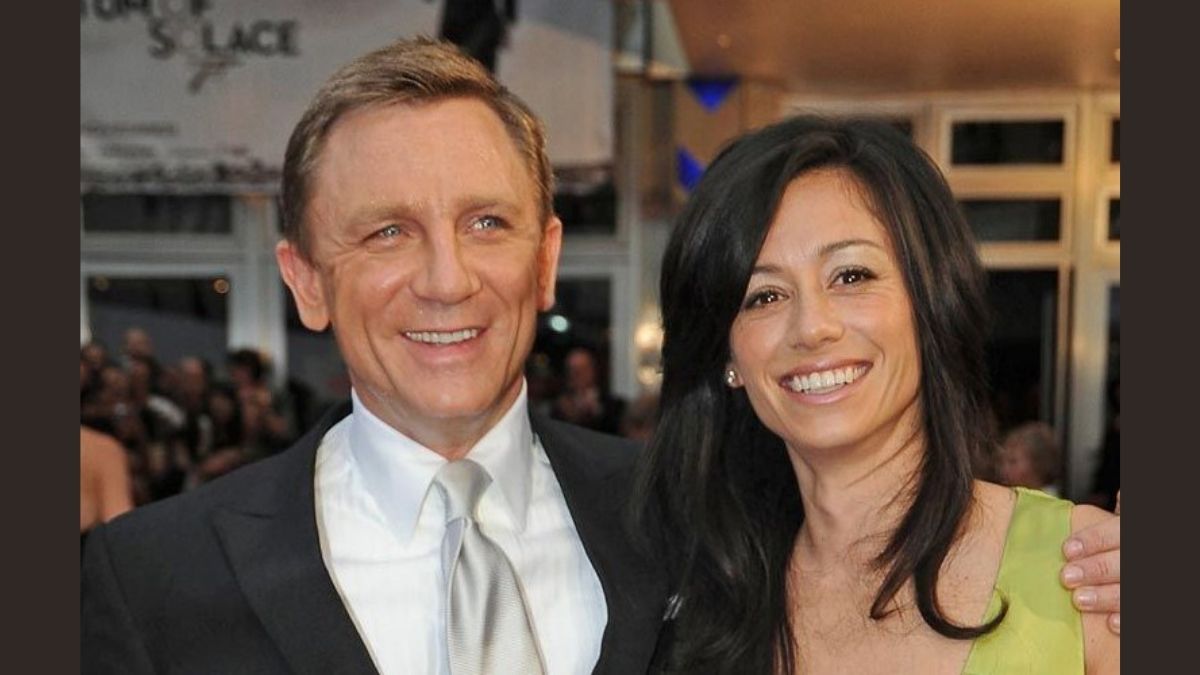
Fiona Loudon: The Secret Life And Journey Of Daniel Craig's Ex-Wife
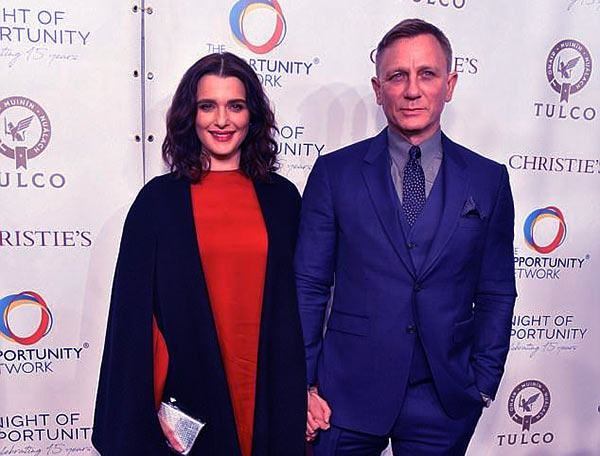
Fiona Loudon’s Life After Marriage to Daniel Craig: A Wife, a Separation, and the Quiet After the Spotlight

The Innovator Behind Modern Conflict Resolution: How Fiona Loudon is Shaping Peacebuilding Across Divided Societies