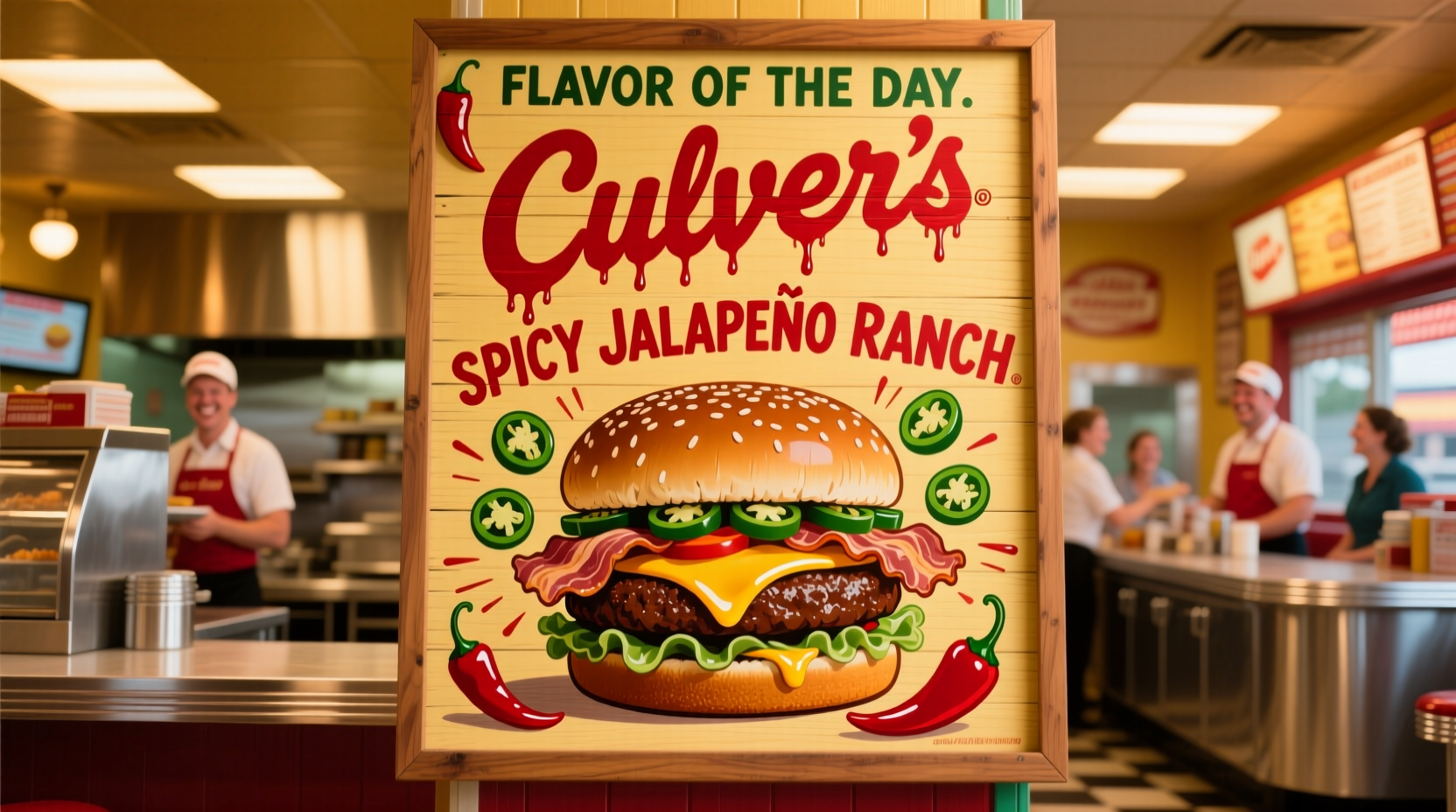
Flavor Of The Day: How The Digital Age Turns Taste Into A Disposable Trend
Flavor Of The Day: How The Digital Age Turns Taste Into A Disposable Trend
The concept of Flavor Of The Day has evolved from a casual description of a temporary menu offering into a powerful metaphor for how modern attention spans shape culinary trends. Driven by social media algorithms and a culture of rapid consumption, specific tastes and food aesthetics rise to prominence with astonishing speed, only to be replaced by the next novelty. This article examines the mechanics behind this phenomenon, its impact on consumer behavior and restaurant innovation, and the often-fleeting nature of culinary fame in the digital era.
In its most literal sense, Flavor Of The Day is a marketing tool employed by food establishments to entice customers with a rotating, limited-time experience. It suggests exclusivity and urgency, a chance to participate in a current event rather than a static menu. The strategy leverages psychological triggers such as FOMO (Fear Of Missing Out) and the simple human desire for variety. What was once a seasonal special can now become a daily occurrence, reflecting a faster pace of culinary trend cycles.
The primary catalyst for the modern Flavor Of The Day is the symbiotic relationship between social media platforms and the food industry. Dishes are no longer just sustenance; they are visual content designed to be photographed, shared, and validated through likes and shares. A visually striking drink or dessert can explode in popularity overnight, transforming a small café into a destination and turning a specific flavor profile into a ubiquitous trend. This digital validation loop accelerates the lifecycle of a flavor from introduction to saturation and eventual decline.
For consumers, the Flavor Of The Day phenomenon creates an environment of constant novelty and exploration. It encourages diners to step outside their comfort zones, trying ingredients or flavor combinations they might otherwise overlook. Limited-time offers provide a compelling reason to visit a restaurant repeatedly, fostering a sense of engagement and participation. However, this constant pursuit of the "new" can also lead to trend fatigue, where the sheer volume of fleeting fads makes it difficult to form lasting preferences or appreciate deeper culinary craftsmanship.
Restaurants and food brands utilize the Flavor Of The Day concept for strategic purposes beyond simple attraction. It serves as a valuable testing ground for new products and flavor profiles. By introducing a limited-time offering, a company can gauge consumer reaction with minimal long-term commitment. This data-driven approach allows for rapid iteration and innovation. Successful limited-time flavors can be integrated permanently into the menu, while others fade away with minimal impact on the core brand identity.
The mechanics behind a successful Flavor Of The Day campaign involve more than just creating a tasty product. It requires a keen understanding of visual appeal, as the initial spark of interest almost always comes from the eyes. Marketing teams must craft a narrative around the flavor, connecting it to emotions, seasons, or cultural moments. Collaboration with influencers and food bloggers can amplify reach, turning a single menu item into a widespread cultural moment. The goal is to create a sense of momentum that is difficult for consumers to ignore.
Despite its commercial success, the Flavor Of The Day trend raises questions about sustainability and authenticity. The pressure to constantly innovate can lead to gimmicky creations that prioritize shock value over balanced taste. Ingredients may be chosen for their viral potential rather than their quality or suitability. Furthermore, the rapid turnover of trends can contribute to food waste if limited-time ingredients are not fully utilized. The industry must balance the desire for novelty with a commitment to quality and responsible sourcing.
The lifecycle of a specific Flavor Of The Day can often be mapped through distinct phases. It begins with introduction, where a restaurant or brand unveils the new item, often with a marketing push. This is followed by a growth phase, characterized by increasing popularity, user-generated content, and media attention. The peak is reached when the flavor is ubiquitous, discussed across social media and sought after by the mainstream. Finally, the decline phase sets in as consumer interest wanes and the item is eventually removed from menus, making way for the next big thing.
Examples of this cycle are abundant in the beverage industry, particularly with coffee chains and seasonal fruit flavors. A pumpkin spice-flavored offering in the fall can become a cultural touchstone, demonstrating the immense power of a well-executed seasonal Flavor Of The Day. Similarly, collaborations between brands, such as a fast-food restaurant partnering with a soda company to launch a uniquely flavored drink, follow this same pattern of intense hype and eventual normalization. These examples illustrate how a specific taste profile can capture the collective imagination for a brief period.
Looking ahead, the Flavor Of The Day concept is likely to become even more integral to the food landscape. As technology advances, personalization may play a role, with digital menus suggesting temporary flavors based on individual preferences or local trends. The line between physical dining and digital engagement will continue to blur, potentially allowing for virtual "flavors" that enhance the experience of eating at home. The core principle—capitalizing on the human love of novelty and the power of community validation—remains a constant driver of culinary innovation, ensuring that the search for the next big taste is a perpetual motion machine.
Related Post

Unwrap the Flavor: Uncovering the Secrets Behind Culver's Waupun Flavor of the Day

The Secret to Culver's Success: Unpacking the Magic of the Flavor Of The Day