Florida Realtor License Lookup: How to Verify Credentials and Protect Your Transaction
Florida Realtor License Lookup: How to Verify Credentials and Protect Your Transaction
In a market where millions of dollars change hands, verifying a Florida real estate agent’s license is the first line of defense against fraud and misconduct. The Florida Realtor License Lookup, maintained by the Florida Department of Business and Professional Regulation, provides the public with free, instant access to licensure status, disciplinary history, and professional details. This article explains how the system works, why it matters, and how to use it effectively before signing any contract.
The Florida real estate licensing system is built on a foundation of public accountability. Every agent, broker, and sales associate is required to carry an active license issued by DBPR, and each license is tied to a unique identifier that appears in the public lookup database. Consumers, sellers, and fellow agents can pull up a license at any time to confirm credentials and ensure that the professional they are working with is legally authorized to practice in the state.
Accessing the Florida Realtor License Lookup is straightforward and designed for public use. The portal is operated by DBPR and provides key information such as license number, status, expiration date, and any recorded disciplinary actions. While the system does not offer full background checks or criminal records, it serves as a reliable gateway to verifying a licensee’s standing with the state.
To perform a search, users need only a few basic details. The interface typically accepts the agent’s name, license number, or county of license, depending on the available search options at the time. Once submitted, the results display essential information directly from the DBPR database, offering a current snapshot of the professional’s authorized activity in real time.
The most critical pieces of information provided by the lookup include license status and expiration date. An active license confirms that the individual is authorized to represent buyers or sellers, while a suspended, revoked, or expired license is a clear red flag. Consumers should never proceed with representation if the license status is not in good standing, as doing so can expose them to legal and financial risk.
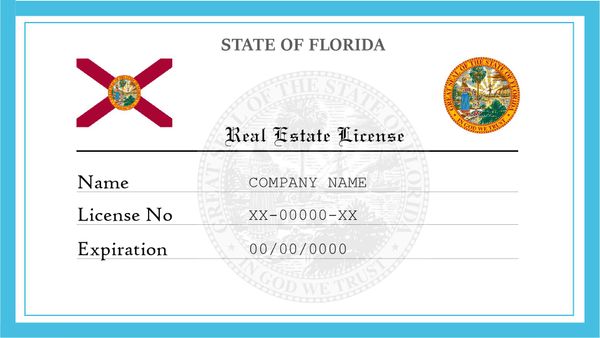
Each licensee is also assigned a unique Florida real estate license number, which remains constant throughout their career unless they change licenses or return after a lapse. This number is an important identifier and should appear on all official documents, contracts, and pocket cards. If a professional cannot or will not provide their license number, it is a serious warning sign that demands further investigation before any transaction moves forward.
Verifying license status before hiring an agent can prevent serious complications down the line. In a purchase agreement, the listing or buyer agent is responsible for handling documentation, disclosures, and negotiations on behalf of their client. An unlicensed or improperly licensed individual may lack the training, ethics, and legal obligations required to protect a client’s interests, potentially exposing parties to errors, omissions, and fraud.
Beyond basic licensure, the Florida Realtor License Lookup also surfaces disciplinary history when it is publicly available. Actions such as fines, suspensions, or mandatory education may appear in the record, depending on privacy rules and the nature of the violation. While not every issue results in loss of license, a pattern of complaints or serious infractions should prompt consumers to reconsider their choice of representation.
For example, a broker with multiple unresolved complaints about transparency or financial handling may indicate a higher risk to clients, even if their license remains active. In contrast, a licensee who completed remediation for a past violation and remains in good standing may demonstrate a commitment to correcting past mistakes. Evaluating this context carefully can help buyers and sellers make more informed decisions about who they choose to work with.
In some cases, license information may not tell the entire story, which is why consumers are encouraged to complement the lookup with additional due diligence. Asking for references, reviewing transaction history, and confirming errors and omissions insurance coverage are all practical steps that add layers of protection. Buyers who take the time to research are more likely to work with professionals who operate with integrity and competence.
Real estate professionals themselves rely on the lookup as part of their standard verification practices. Many brokerages require agents to submit updated license information and continuing education records on a regular basis. This internal oversight helps ensure that the team representing clients remains current with legal requirements and industry standards.
For consumers unsure of how to interpret the results, the DBPR website offers guidance and contact options for questions about license status. When in doubt, reaching out to the department directly can clarify concerns about discrepancies or unclear information. Taking that extra step can prevent misunderstandings and reinforce confidence in the representation chosen for a real estate transaction.
Ultimately, the Florida Realtor License Lookup is more than a simple verification tool; it is a component of a broader system designed to promote transparency and trust. By integrating license checks into their homebuying or selling process, consumers protect themselves, support ethical professionals, and contribute to a more accountable real estate market. Due diligence today can save time, money, and stress tomorrow, making the lookup an essential step for anyone working with Florida real estate professionals.
Related Post