Fourth Of July Baseball: How America’s Pastime Became a Patriotic Tradition
Fourth Of July Baseball: How America’s Pastime Became a Patriotic Tradition
The crack of the bat, the glow of fireworks overhead, and the communal hum of a nation celebrating independence have fused in a ritual as familiar as hot dogs and apple pie. For decades, professional baseball has treated the Fourth of July as more than just another day on the schedule, shaping it into a platform for pageantry, patriotism, and performance. From the red, white, and blue jerseys to the ceremonial first pitches and moment of national reflection, the holiday has become a cornerstone of the baseball calendar. This article examines how and why baseball became synonymous with Independence Day, tracing the tradition’s origins, evolution, and enduring cultural significance.
The decision to play baseball on July 4th is neither arbitrary nor recent; it is rooted in the sport’s early embrace of American civic life. In the decades following the Civil War, as the nation sought symbols of unity and renewal, baseball positioned itself as a reflection of American values and democratic ideals. By the late 19th and early 20th centuries, the major leagues had institutionalized holiday games, with Independence Day emerging as a marquee date on the schedule. Teams understood that the occasion called for a heightened sense of theater, a blend of sport and spectacle that acknowledged the country’s birthday while entertaining fans hungry for summer diversion.
Although formal ceremonies intensified in the mid-20th century, the practice of playing on July 4th predates them by generations. What began as a simple scheduling choice gradually evolved into a carefully choreographed blend of athletic competition and national homage.
Unlike holidays such as Christmas or Thanksgiving, which center on private family gatherings, the Fourth of July is fundamentally a public, civic celebration. Ballparks become gathering places where communities come together under a shared sky, reinforcing the idea that the nation’s birthday is best commemorated in person and in real time. The baseball stadium, with its rhythmic chants and orchestrated cheer, offers a neutral ground where partisanship momentarily gives way to collective pride.
The visual language of Fourth of July baseball is distinct and meticulously curated. Players wear caps and jerseys adorned with stars and stripes, and the field becomes a moving canvas of red, white, and blue. Batting gloves, cleats, and even baseballs are customized for the occasion, transforming ordinary equipment into emblems. Dugout banners, outfield billboards, and pregame video packages further layer the setting with patriotic iconography.
Red, white, and blue baseballs are perhaps the most recognizable symbol of the day. While used sparingly and usually for ceremonial purposes—such as batting practice or postgame giveaways—these special balls serve as a tactile reminder of the holiday’s significance. Teams often reserve them for milestone moments, reinforcing the sense that the games on July 4th carry a weight beyond the final score.
Fireworks displays have long been a fixture of Independence Day, and baseball has proven an ideal host for them. The structure of the game, with its natural breaks between innings, provides built-in windows for pyrotechnic shows that would be impossible in many other sports. Unlike concerts or festivals, where fireworks are the main event, in baseball they punctuate an ongoing narrative, enhancing the drama rather than replacing it.
Pregame ceremonies on July 4th often follow a well-worn script, yet each iteration carries its own local flavor. Service members are frequently honored with on-field salutes, and invitations to throw out the first pitch are sometimes extended to veterans, first responders, or community leaders. The singing of the national anthem takes on added solemnity, with many fans placing hands over hearts and caps in hand. These rituals, repeated across the country, create a sense of shared experience that transcends geography and team allegiance.
In some cities, the Fourth of July game is timed to arrive just as darkness falls, allowing the fireworks to explode against a twilight or night sky. This scheduling choice transforms the ballpark into a theater of contrasts—daytime athleticism giving way to nocturnal celebration. The interplay between natural light and artificial spectacle, between the measured pace of baseball and the sudden brilliance of fireworks, encapsulates the holiday’s dual nature.
Not all Fourth of July games are defined by glamour or grandeur. For some teams, particularly those languishing in losing seasons, the holiday offers a rare moment of attention. A marquee matchup or a beloved veteran’s return can turn an otherwise ordinary afternoon into a memorable occasion. In this way, July 4th functions as both a cultural reset and a public promise that, regardless of struggles on the field, the country and the sport continue.
The tradition has not been without controversy or reflection. Discussions about the commercialization of patriotism, the politics of national symbols, and the historical complexities of Independence Day have occasionally spilled into baseball’s observances. Some fans and commentators have questioned whether the celebrations adequately acknowledge the many who have fought for a more inclusive definition of America. In response, teams have expanded their programming to highlight voting rights, community service, and military families, attempting to align the holiday’s ideals with contemporary values.
As the game of baseball has globalized, the Fourth of July remains resolutely American in its symbolism. For international players stepping onto the field on July 4th, the experience can be both bewildering and illuminating. They become participants in a civic ceremony as much as athletes in a sporting event, their performance wrapped in a narrative of national identity. For fans abroad, broadcasts of these games offer a window into American culture, showcasing how sport can serve as a vessel for shared emotion and historical memory.
Looking ahead, the intersection of baseball and Independence Day is likely to evolve, shaped by new technologies, shifting demographics, and changing expectations around national holidays. Virtual reality experiences, augmented reality fireworks, and interactive fan platforms may enhance the in-stadium and at-home experience without diminishing the core traditions. Yet the fundamental appeal will remain unchanged: the convergence of a national birthday with a sport that has long been considered America’s pastime.
In the end, Fourth of July baseball is more than a quirky scheduling habit or a marketing opportunity. It is a living tradition that binds sport and society, reminding fans that the games they love are embedded in the rhythms of the nation itself. Whether under the afternoon sun or beneath a sky lit by fireworks, the date serves as a prompt to consider what it means to celebrate independence in a shared public space. In that space, inside a ballpark or on a screen, the story of the country and the story of its pastime continue to be written, inning by inning, celebration by celebration.
Related Post
Google Doodle Celebrates the 4th of July with an Epic Baseball-Themed Interactive Game
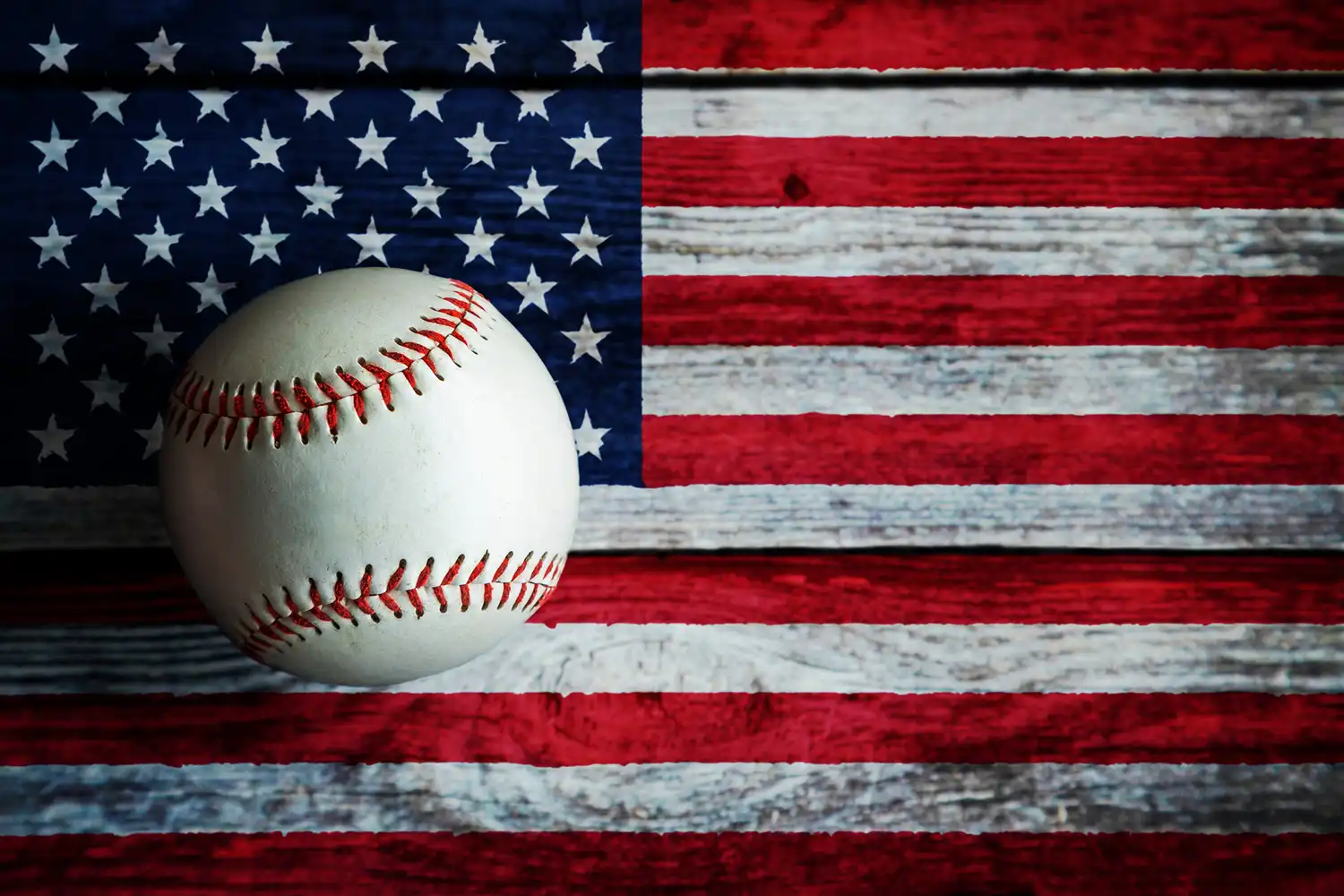
Fourth of July Baseball: America’s Favorite Summer Spectacle on the Diamond
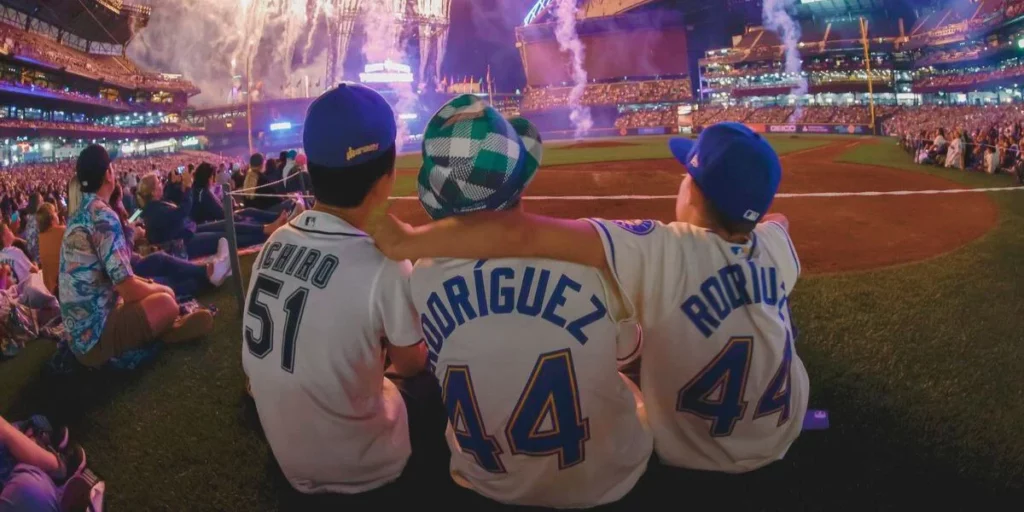
Fourth of July Baseball When Fireworks Fanatics and Firecracker Devotees Collide


