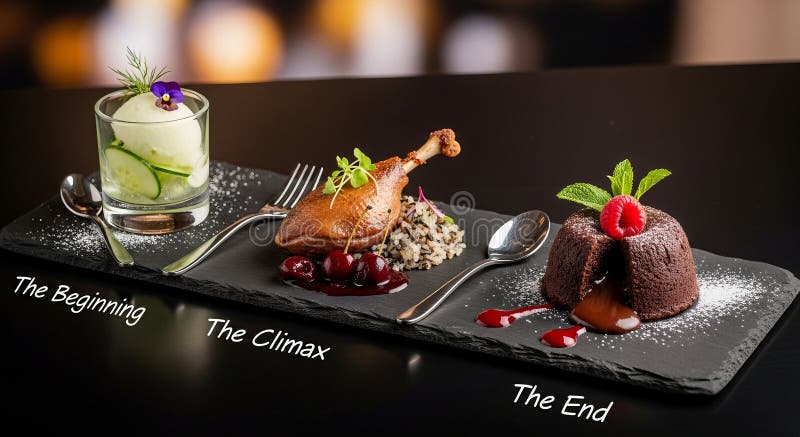
From Kitchen to Cosmos: Step By Step Instructions From Appetizer To Dessert
From Kitchen to Cosmos: Step By Step Instructions From Appetizer To Dessert
A precisely orchestrated meal progresses in logical stages, each building toward a cohesive culinary narrative. This guide dissects the process from the first appetizer bite to the final dessert spoonful, explaining the technical and sensory rationale behind each transition. The objective is not merely to follow a recipe, but to understand the architecture of a complete dining experience.
The architecture of a meal relies on a logical sequence designed to prepare the palate, satisfy the primary appetite, and gently reset the senses before the finale. Professional kitchens operate on this principle of progression, where temperature, texture, and intensity are carefully calibrated. Understanding this structure allows a home cook to transform a collection of recipes into a coherent event.
The Opening Act: The Functional Appetizer
Appetizers are not merely snacks; they are functional tools that perform specific physiological and psychological tasks. The primary goal is to stimulate the digestive system without creating premature satiety. A successful starter should tease the palate and establish the flavor profile for the courses to come.
When composing an appetizer, adhere to the following structural guidelines:
* **Temperature Contrast:** Serve hot dishes alongside cold elements. A warm goat cheese salad, for instance, provides textural intrigue and prepares the mouth for subsequent temperatures.
* **Acidity Introduction:** Incorporate elements of acid—such as citrus vinaigrettes, vinegar-based pickles, or fermented products—to awaken the taste buds.
* **Portion Control:** The portion must be small, acting strictly as a bridge between hunger and the main event. It should occupy the palate without filling it.
Consider a classic Caprese skewer. The tomato offers acidity and sweetness, the mozzarella provides rich fat, and the basil contributes a herbal freshness. This trifecta primes the digestive system for the heavier proteins to follow. As food scientist Dr. Karen Collins notes, "The appetizer is about awakening the sensory pathways. It is a prelude, not the main story."
The Main Narrative: Building the Palate
The main course is the structural center of the meal, typically featuring protein and complex carbohydrates. The progression to this course should feel natural, often signaled by a shift in tableware or the clearing of the appetizer plates.
To execute the main course effectively, focus on the Maillard reaction—the chemical process that creates brown crusts and deep flavors in seared meats and vegetables. This requires high, dry heat. Furthermore, the sauce component should act as a unifier, tying the protein and side elements together.
* **The Protein:** Choose a primary element that offers textural satisfaction, such as a roast, a grilled steak, or a braised short rib.
* **The Vehicle:** Select a starch or grain that absorbs sauces effectively, like roasted potatoes, creamy polenta, or crusty bread.
* **The Sauce:** Reduce liquids (wine, stock) to concentrate flavor and create a glossy finish that clings to the food.
The timing of this course is critical. It should arrive while the appetizer memories are still present but the appetite has reached its peak demand. Avoid serving the main course too early, which results in a cold appetizer, or too late, which leads to a diminished dining experience.
The Transition: The Role of Sorbet
This is the step where many home cooks stumble. Why introduce a frozen fruit puree between the main course and dessert? The answer lies in physiological reset.
A palate fatigue occurs when taste receptors become overwhelmed by a single flavor profile, usually the savory, fatty notes of the main course. A sorbet acts as a palate cleanser. Its intense cold numbs the tongue slightly, while its acidity scrubs away residual tastes, preparing the mouth for the sweet finale.
* **Temperature:** It must be served very cold, ideally close to freezing.
* **Flavor Profile:** Opt for simplicity. Lemon, raspberry, or ginger are classic choices. Avoid complex flavors that might clash with the dessert.
* **Texture:** It should be smooth and granule-free, acting more as a beverage than a food at this stage.
This course is optional in a private home setting, but it is a professional technique that significantly elevates the perceived quality of the meal. It signals to the guest that the host understands the science of dining.
The Finale: Dessert as Resolution
Dessert is not an apology for being full; it is the resolution of the culinary symphony. By this stage, the guest is satisfied, and the goal shifts from satiation to pleasure and indulgence. Dessert should be relatively simple, clean, and aromatic.
When plating dessert, adhere to the concept of "less is more." The human eye appreciates negative space on the plate. A single perfect slice of cake garnished with a mint leaf is often more effective than a chaotic tower of sweets.
* **Temperature Variation:** Offer a contrast to the warm main course. A cold chocolate mousse or a room-temperature fruit tart provides relief.
* **Texture Shift:** The dessert should be soft, creamy, or crisp, but distinct from the textures previously encountered.
* **Flavor Intensity:** It should be sweet, but not cloyingly so. Bitter elements (like dark chocolate or coffee) help cut through the sugar and cleanse the palate.
The dining experience is a journey, and every course is a chapter. From the awakening sharpness of the appetizer to the satisfying weight of the main, and the gentle cleanse of sorbet, the progression dictates the rhythm of the evening. Dessert provides the quiet hum of contentment, the final note that lingers after the last bite. To master this sequence is to master the art of hospitality itself.
Related Post

From Appetizer to Dessert: A Step-by-Step Culinary Journey Through Every Course