Fumi Franklin On AI Ethics: How One Engineer Is Reshaping Corporate Responsibility In The Age Of Automation
Fumi Franklin On AI Ethics: How One Engineer Is Reshaping Corporate Responsibility In The Age Of Automation
Fumi Franklin, a veteran software engineer and ethicist, has become a central figure in the global debate over responsible artificial intelligence development. With a background spanning both Silicon Valley product teams and academic research, Franklin blends technical rigor with moral philosophy to help organizations navigate the risks of automation. This article explores how Franklin’s work is influencing policy, product design, and public understanding of AI ethics in an increasingly automated world.
The Path To AI Ethics
Franklin did not start her career thinking about ethics. She trained as a systems engineer, working on data infrastructure for a major cloud provider before shifting into machine learning applications. Over time, she witnessed how algorithmic bias crept into hiring tools, credit scoring systems, and even facial recognition software. Those experiences pushed her toward a deliberate pivot into ethics, governance, and human-centered design.
In her own words, Franklin explains the turning point in her career: “I realized that the most powerful technologies were being built without the basic safeguards you would expect in any other engineering discipline. I wanted to be part of building guardrails, not just optimizing for speed and scale.” That commitment led her to collaborate with legal scholars, civil society groups, and internal policy teams at multiple tech companies.
Building Ethical Guardrails In Product Teams
One of Franklin’s core contributions has been translating abstract ethical principles into concrete technical practices. She advocates for ethics by design, insisting that considerations such as fairness, transparency, and accountability must be integrated from the earliest stages of product development. Her approach includes:
- Mapping stakeholders and potential harms before writing a single line of model code.
- Establishing clear data provenance and documentation standards.
- Implementing ongoing monitoring for drift, bias, and unexpected outcomes.
- Creating accessible channels for user feedback and redress.
Franklin has worked with cross-functional teams to operationalize these practices, using tools such as model cards, datasheets for datasets, and structured risk assessments. In one high-profile project, she helped a financial services client redesign a loan approval system to reduce disparate impact against minority applicants, without compromising commercial objectives.
Influence On Industry Standards And Policy
Beyond individual products, Franklin has engaged in broader efforts to shape industry standards and public policy. She has contributed to working groups at standard-setting organizations, commented on proposed regulations, and participated in multi-stakeholder initiatives aimed at aligning AI development with public interest goals. Her technical credibility allows her to speak authoritatively on topics such as:
- Measuring and reporting on algorithmic fairness metrics.
- Designing audit trails for high-stakes automated decisions.
- Establishing incident response processes for harmful AI outputs.
Regulators and policymakers have taken note. In several recent consultations on AI governance, Franklin’s submitted comments have been cited for balancing innovation incentives with consumer protection. While she supports thoughtful regulation, she also warns against poorly designed mandates that could stifle beneficial uses of AI.
Challenges And Criticisms
Franklin’s work is not without controversy. Some technologists argue that ethics discussions slow down product cycles or introduce subjective judgments into engineering decisions. Others contend that corporate commitments to ethical AI are often superficial, amounting to little more than public relations gestures. Franklin acknowledges these tensions, stating, “Ethics can feel like a constraint when you are under pressure to deliver results, but ignoring it almost always leads to worse outcomes down the line.”
She also recognizes structural barriers within many organizations, such as fragmented responsibility, unclear accountability, and insufficient resources for ethical reviews. In response, Franklin has pushed for more investment in cross-functional ethics teams, better tooling for impact assessments, and executive-level engagement with governance issues.
Shaping The Public Discourse
Outside of corporate walls, Franklin plays an active role in public education and discourse. She gives talks at technology conferences, contributes to academic journals, and engages with journalists to ensure that media coverage reflects both the promise and the pitfalls of AI. Her goal is to move conversations beyond sensational headlines and toward nuanced, evidence-based understanding.
Franklin emphasizes the importance of diverse voices in these discussions. “Ethics isn’t a neutral technical checklist,” she says. “It asks who is affected, who gets a voice, and what kind of future we are building. If the people most impacted by these systems aren’t part of the decision-making, we will miss critical perspectives.” Through workshops, mentorship, and partnerships with community organizations, she works to broaden participation in AI governance.
Looking Ahead
As artificial intelligence continues to evolve, the demand for practitioners who can bridge technical expertise and ethical judgment is only expected to grow. Franklin sees her role as that of a translator between domains, helping engineers, executives, regulators, and communities speak the same language when it comes to responsible AI. She is currently involved in several initiatives exploring how governance practices might adapt to increasingly capable and autonomous systems.
Her advice to younger professionals is straightforward: “Don’t treat ethics as a side project. Build the skills to understand both the technology and its context. Ask hard questions early, and be willing to push back when something does not align with our values.” For Franklin, the mission is clear: to ensure that the age of automation serves human dignity, justice, and long-term public good.
Related Post
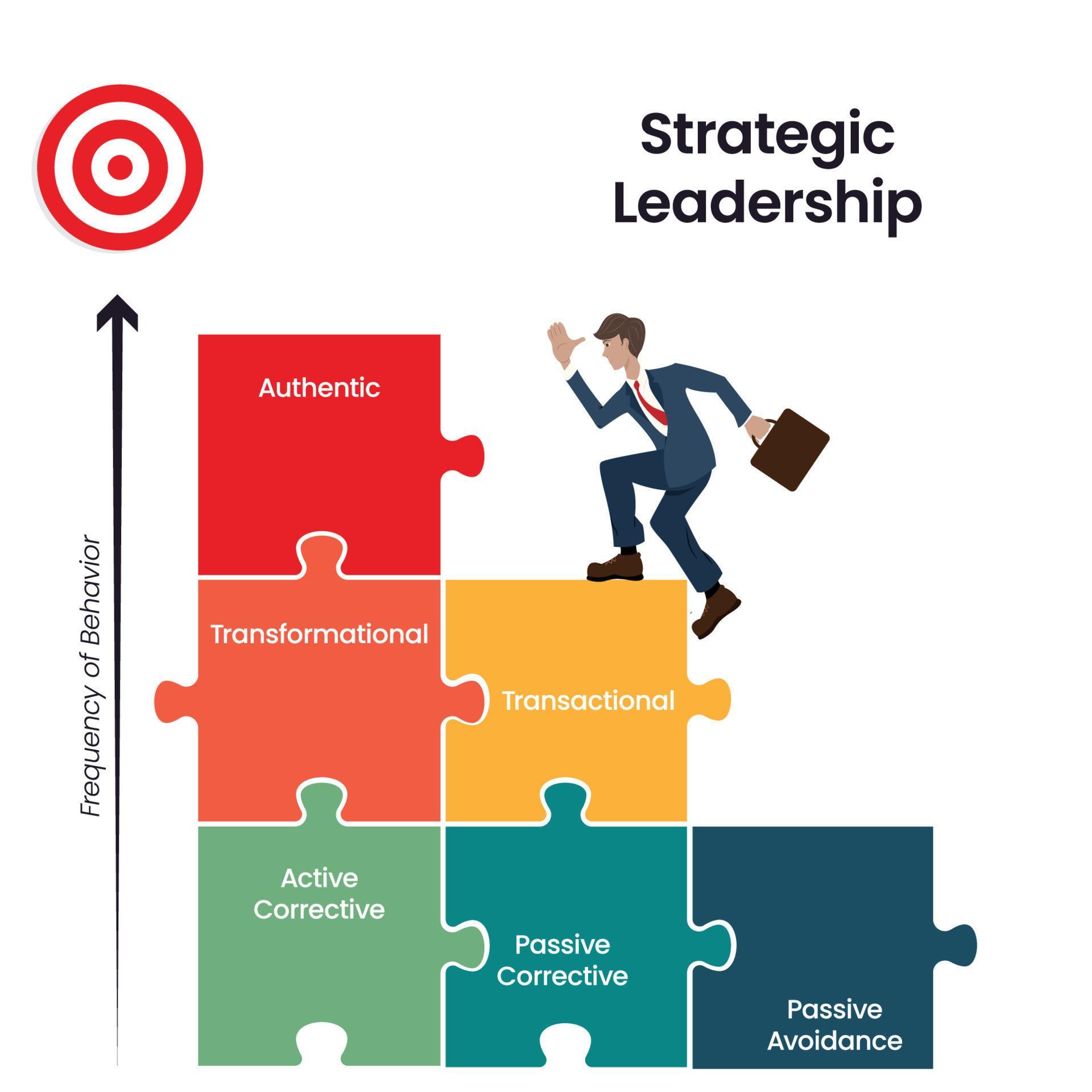
Fumi Franklin Redefines Influence: The Strategic Art of Female Leadership in a Changing World

Who Is James Franklin Wife Fumi Franklin Unveiling The Lives Behind the Public Persona and Their Daughters’ Journeys
Who Is James Franklin Wife Fumi Franklin? Everything on Their Daughters and Married Life

The Golden Icons: Top 100 Male Singers Who Defined Rock, Pop, and Soul in the 70s and 80s