Google Play Subscriptions Decoded: How to Optimize Revenue, Retention, and User Trust
Google Play Subscriptions Decoded: How to Optimize Revenue, Retention, and User Trust
Google Play Subscriptions power recurring revenue for millions of apps and services worldwide, offering developers a predictable income stream while giving users flexible access models. This article examines how these subscriptions work under the hood, the policies that govern them, and the strategies creators use to balance monetization with user experience.
In the Android ecosystem, a subscription is a product type that grants ongoing access to content or services, automatically renewing at intervals defined by the developer. Unlike one-time purchases, subscriptions are managed by Google Play, which handles billing, proration, refunds, and currency localization according to regional rules. For product managers, engineers, and finance teams, understanding the technical, legal, and UX dimensions of subscriptions is essential for building sustainable and compliant offerings.
How Google Play Subscriptions technically function revolves around product configuration, user authentication, and lifecycle management. Developers define subscription products in the Google Play Console, choosing billing periods—monthly, yearly, or custom cycles—and pricing for different countries and user segments. When a user subscribes, Google Play creates a subscription record, generates a unique order token, and delivers a signed JSON Web Token (JWT) to the developer’s backend. This token contains critical details such as expiry time, renewal status, and purchase type, enabling servers to verify entitlement securely.
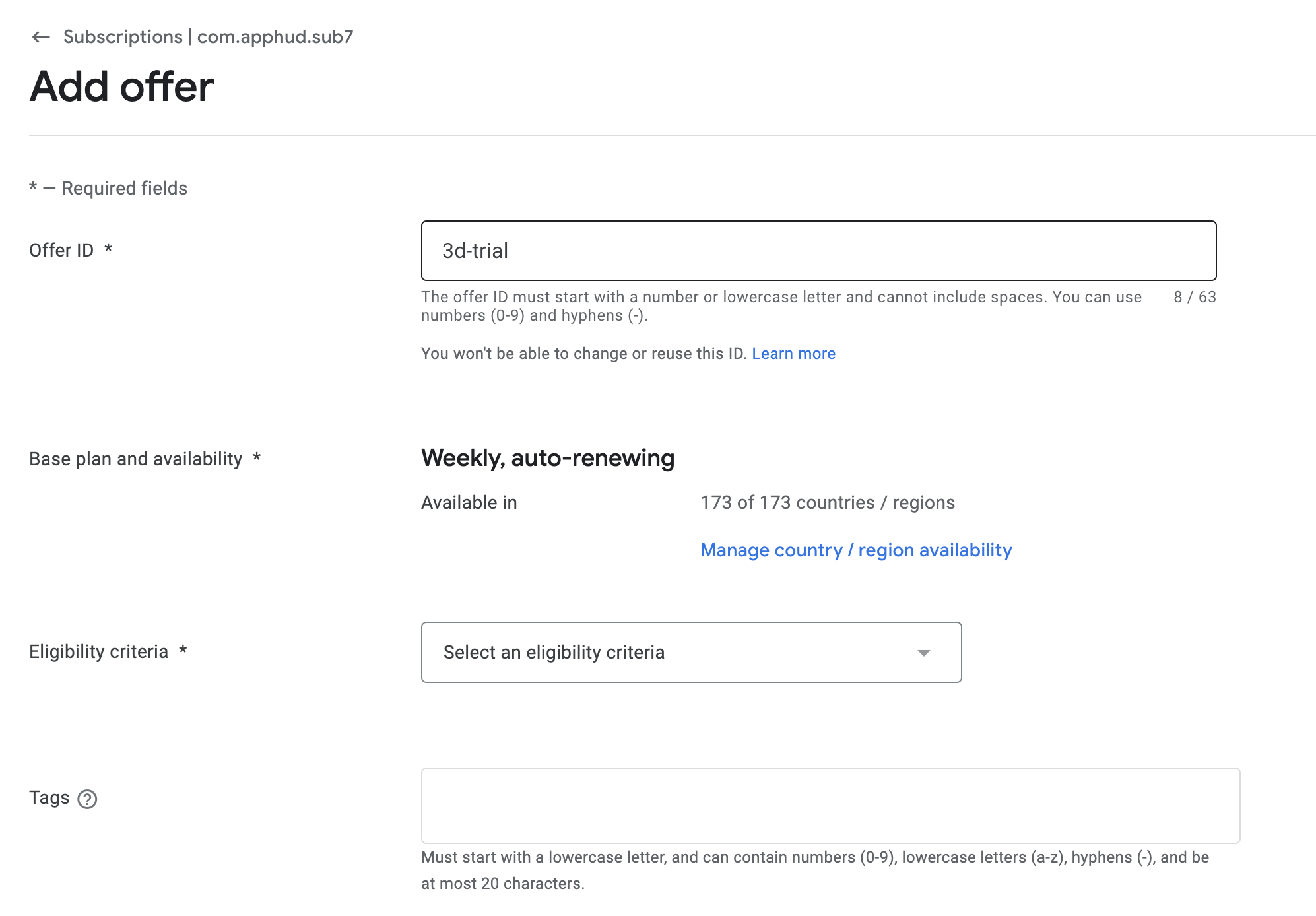
- Define subscription tiers and pricing in the Play Console, including introductory offers and trials.
- Integrate Google Play Billing SDK in the app to launch a purchase flow that respects system-level dialogs and back-button behavior.
- Receive and validate the JWT on your server, linking subscriptions to user accounts for cross-device continuity.
- Monitor real-time developer notifications (RTDN) for events such as renewal, grace period entry, cancellation, and price changes.
- Handle pauses, sku changes, and proration according to documented rules, ensuring accurate billing across locales.
The architecture typically includes a secure backend that verifies tokens, maintains user entitlement state, and reacts to RTDN messages. Because Google Play remains the source of truth for subscription status, developers should treat client-side state as ephemeral and always revalidate on the server. This design reduces fraud risk and prevents edge-case bugs when devices are offline or apps are reinstalled.
Subscription lifecycle management in Google Play is nuanced, covering trial periods, grace periods, pauses, and migrations. Trials allow creators to offer time-limited access, but they must comply with transparency rules, clearly disclosing duration, cost after trial, and any eligibility conditions. Google enforces restrictions on recurrent trial offers to prevent user confusion and excessive charge risks.
When a subscription renews, Google Play issues RTDNs so developers can update access rights, track usage, and manage content rights. If a payment fails, users enter a grace period where access continues while they update payment details. Developers can also offer pauses, letting users retain subscriptions for a defined duration without billing, which works well for seasonal services or study breaks. When users switch SKUs, proration rules determine how Google calculates credits or additional charges, impacting perceived fairness.
Real-world examples illustrate how different sectors leverage Google Play Subscriptions. Streaming platforms often use hierarchical tiers—basic, standard, premium—with regional price adjustments and family plans that share entitlements across households. News and magazine apps may combine subscriptions with occasional introductory discounts, always ensuring renewal terms are visible before purchase. B2B and productivity tools sometimes mix one-time feature unlocks with recurring cloud-sync subscriptions, reflecting usage patterns across personal and professional contexts.
Policy compliance is central to operating subscriptions on Google Play, affecting everything from checkout copy to post-purchase communications. Google Play Developer Distribution Policy mandates clear disclosure of costs, renewal frequency, and cancellation methods, while prohibiting misleading claims about functionality or earnings potential. For apps aimed at children or those collecting sensitive data, additional rules around parental consent, data sharing, and financial safeguards apply. Regional regulations, such as consumer rights in the European Union and disclosure norms in certain Asian markets, can introduce additional obligations beyond baseline policy.
Failure to adhere can result from warnings, policy strikes, or removal from Play Store, making proactive review of policy documents essential. Developers often maintain checklists covering consent flows, refund handling, and dispute response, translating legal text into concrete product requirements. Crisis scenarios—such as unintended charges or misunderstood trial terms—demonstrate the value of clear UI language, self-service help resources, and responsive support channels.
Monetization strategy for Google Play Subscriptions involves tradeoffs between conversion, retention, and long-term value. Teams use price testing, introductory offers, and bundling to optimize funnels, while analytics highlight drop-off points in onboarding and renewal cycles. Some creators introduce annual options to improve cash flow and reduce churn, while others rely on quarterly or monthly flexibility to lower barriers for new users. The right mix depends on content cadence, user expectations, and the competitive landscape in a given category.
Technology and operations considerations also shape subscription success. Robust backend services for entitlement checks, syncing across devices, and handling RTDN delivery at scale are non-negotiable for mature products. Logging, alerting, and reconciliation between Google Play financial reports and internal revenue records help catch discrepancies early. Because Google Play periodically updates billing libraries and policies, ongoing maintenance is required to stay compatible and secure.
User experience around Google Play Subscriptions hinges on transparency, control, and perceived value. In-app screens should clearly explain what is included, how often prices may change, and what happens if a subscription is canceled. Developers that invest in straightforward settings for managing, pausing, or canceling subscriptions often see higher trust and lower support volume. Over time, ethical design and respect for user choice can foster stronger communities and more sustainable revenue patterns.
Taken together, Google Play Subscriptions offer a mature, globally distributed mechanism for recurring billing, provided developers respect policies, invest in reliable infrastructure, and prioritize clarity for end users. As formats evolve—introducing trials, family plans, and flexible tiers—the fundamentals remain consistent: accurate entitlement, responsive communication, and alignment with user expectations. Teams that treat subscriptions as core product features, rather than purely financial constructs, are better positioned to balance growth, retention, and trust in a competitive digital marketplace.
Related Post
Decode the Clutter: Unlock the Power of Managing Google Play Subscriptions Like a Pro
View Google Play Subscriptions A Simple Guide: Manage Your Monthly Costs Like a Pro
Mastering Google Play Subscriptions: A Simple Guide to Viewing and Managing Your Online Account