Gram Or Ounce: Decoding The Units That Define Precision In Measurement
Gram Or Ounce: Decoding The Units That Define Precision In Measurement
In the intricate world of commerce, science, and culinary arts, the battle between the gram and the ounce dictates accuracy and fairness. These two units of mass, though seemingly simple, form the foundation of global trade and exact scientific calculation. Understanding the distinction between the metric gram and the imperial ounce is essential for anyone navigating international standards or precision-dependent fields.
The gram and the ounce represent two distinct philosophical approaches to quantification, one rooted in decimal logic and the other in historical tradition. This fundamental difference creates a complex landscape where miscommunication can lead to significant errors in industry and daily life. As the world becomes more interconnected, the need to fluidly navigate between these systems becomes increasingly critical.
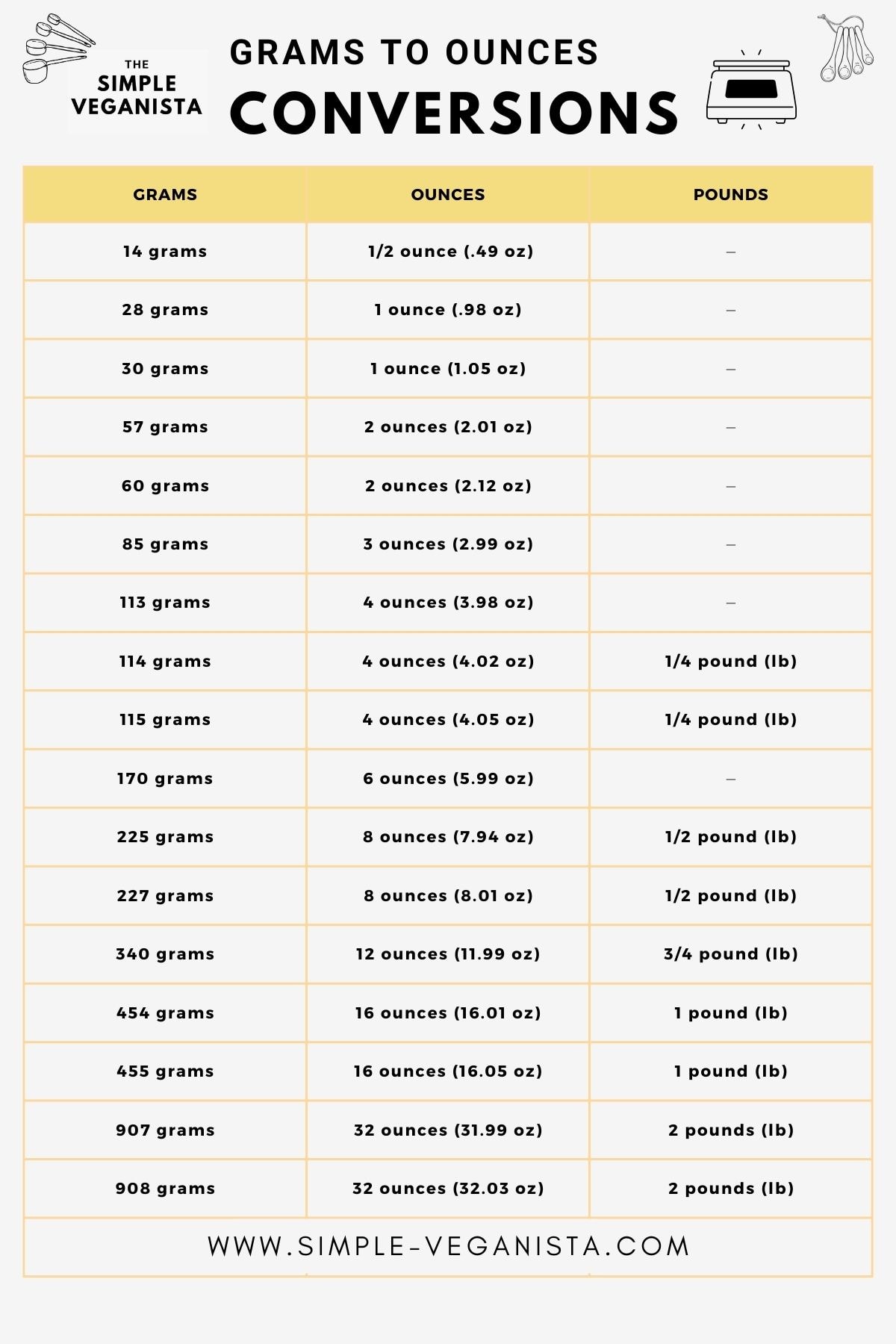
The gram, as part of the International System of Units (SI), is defined by a physical constant, specifically the mass of a cubic centimeter of water at four degrees Celsius. In contrast, the ounce, primarily used in the United States customary system, has a lineage tracing back to ancient Rome and is defined as exactly 28.349523125 grams. This disparity is the root of countless conversion challenges.
Consider the pharmaceutical industry, where a miscalculation of a few milligrams can have dire consequences. Here, the gram is the undisputed standard for safety and efficacy. Similarly, in laboratory research, the precision offered by the gram is non-negotiable for replicable results. However, the ounce maintains a firm grip on sectors like precious metals and gemstones, where the troy ounce, a distinct unit weighing 31.1035 grams, is the universal currency.
The divide extends into the commercial sphere, influencing everything from grocery shopping to international shipping. While supermarket scales in Europe display weight in grams, their American counterparts often show pounds and ounces. This dichotomy requires consumers and businesses alike to possess a dual literacy in measurement. The following sections will explore the specific applications, historical context, and practical implications of choosing gram over ounce.
The Scientific Imperative: Why Grams Rule The Laboratory
In environments where precision is paramount, the metric system, and specifically the gram, provides an unambiguous framework for measurement. The stability and decimal-based structure of the SI system eliminate the fractional complexities inherent in the imperial system. Scientists rely on this consistency to ensure that experiments can be replicated across different countries and laboratories.
The use of the gram eliminates conversion errors that plague international collaboration. When a researcher in Tokyo shares data with a colleague in Berlin, the gram serves as a universal language of mass. This is in stark contrast to the ounce, which requires constant mental arithmetic or calculator use to translate into the standard unit of kilograms.
Key advantages of the gram in scientific contexts include:
* **Decimal Simplicity:** Scaling is straightforward, moving seamlessly between milligrams, grams, and kilograms by factors of ten.
* **Global Standardization:** Facilitates clear communication and data sharing in international research papers and conferences.
* **Instrument Calibration:** Most modern laboratory balances are calibrated in metric units, ensuring maximum accuracy and direct readouts.
According to Dr. Evan Rivera, a senior materials scientist at a leading research institute, "The gram is not just a unit; it's the bedrock of quantitative analysis. When we synthesize a new compound, we speak in grams and milligrams. To revert to ounces would be to introduce a layer of uncertainty and potential error that is antithetical to the scientific method." This sentiment is echoed across academic and industrial research facilities worldwide.
The pharmaceutical sector provides the most critical example of this necessity. Dosages for life-saving medications are calculated in milligrams and grams to ensure patient safety. A slight deviation, which could be the difference between a therapeutic dose and a toxic one, is meticulously measured using metric scales. The ounce, with its inherent rounding and complexity, simply does not offer the level of precision required for modern medicine.
The Realm of Commerce: Ounces In The Market
Despite the global push for metrication, the ounce persists as a dominant force in retail and consumer markets, particularly in the United States. Its familiarity and historical integration into pricing structures make it a resilient unit of measurement for everyday goods. From the packaging of fresh produce to the labeling of packaged foods, the ounce remains a familiar sight on store shelves.
The persistence of the ounce in commerce is largely due to tradition and consumer recognition. Decades of advertising and product labeling have ingrained the concept of a 16-ounce pound or a 12-ounce can into the public consciousness. Changing this paradigm would require a massive logistical and educational effort that many businesses deem unnecessary.
Key sectors where the ounce maintains prominence include:
* **Food and Beverage:** Pre-packaged foods, beverages, and bulk items are frequently sold by the ounce in the US.
* **Jewelry and Precious Metals:** The troy ounce is the international standard for weighing gold, silver, and platinum.
* **Cannabis Industry:** In states where legal, cannabis is often sold by the ounce due to historical precedent and consumer习惯.
A spokesperson for a major national grocery chain noted, "Our inventory systems and supplier agreements are often built around the imperial system. For the average customer picking up a bag of flour or a block of cheese, the ounce is the most intuitive unit for them to understand and compare prices." This consumer-side familiarity ensures the continued relevance of the ounce in the marketplace.
However, the commercial use of the ounce is not without its friction. International trade agreements and supply chains that rely on metric measurements can create friction when dealing with ounce-based inventory. importers must constantly convert units to reconcile orders, adding a layer of complexity and potential for error to the global supply chain.
The Historical Divide: Origins And Evolution
To understand the current landscape, one must look back at the origins of these two units. The gram was born from the French Revolution's desire for a rational, universal system of measurement. It was part of the metric system, designed to be decimal and based on the natural world. The ounce, however, has a much older and more convoluted history, evolving from Roman trading standards and varying widely across different cultures and regions for centuries.
The Roman uncia, meaning "one-twelfth," is the ancestor of the modern ounce. It was used as a unit of both weight and currency. Over time, different countries developed their own versions of the ounce to suit their trading needs, leading to a lack of uniformity. The British Imperial system eventually standardized the avoirdupois ounce, which is the most common ounce used today, at 1/16th of a pound.
The 20th century marked a significant turning point in the adoption of the metric system. Scientists and international bodies championed the gram and its multiples for their logical structure. The United States, while officially sanctioning the metric system for trade and commerce, has been slow to fully adopt it for everyday use, leading to the dual-system reality seen today. This historical path dependency explains why a European recipe might list ingredients in grams, while an American one uses ounces.
The shift towards the gram is also driven by globalisation. As countries trade more extensively, a common language of measurement becomes vital. The gram, as part of the SI, provides that universal standard. The ounce, while still widely used, is increasingly seen as a localized anomaly in a world that is metricating. This evolution highlights a broader trend towards standardization and efficiency in global interactions.
Related Post