Gram-Positive Cocci: The Shape-Shifting Architects of Infection and Immunity
Gram-Positive Cocci: The Shape-Shifting Architects of Infection and Immunity
In the microscopic theater of human health, few actors are as consequential as the Gram-positive cocci. These spherical bacteria, defined by their distinctive shape and thick cell walls, are responsible for a spectrum of illnesses, from a trivial skin pustule to overwhelming sepsis. Understanding their classification, behavior, and resistance mechanisms is not merely an academic exercise but a critical component of modern medicine, dictating everything from diagnosis to life-saving treatment strategies.
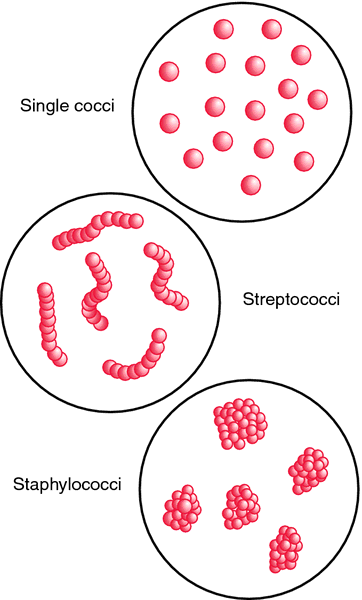
For decades, the identification and categorization of these pathogens relied on a combination of observable characteristics and biochemical reactions. The fundamental classification divides Gram-positive cocci primarily into two groups based on their arrangement: clusters and chains. This morphological division is the first clue a microbiologist uses to narrow down the suspect, guiding the subsequent battery of tests required to pinpoint the exact species and initiate appropriate therapy.
**Staphylococcus: The Cluster-Forming Powerhouse**
Perhaps the most notorious residents of the cluster category are the *Staphylococcus* genus. The name itself is derived from the Greek *staphyle*, meaning "bunch of grapes," a vivid description of their cellular organization under a microscope. Unlike their chain-forming counterparts, *Staphylococcus* species divide in multiple planes, resulting in a chaotic, three-dimensional aggregation.
***Staphylococcus aureus*: The Opportunistic Champion**
Within this genus, *Staphylococcus aureus* stands out as a primary pathogen. This bacterium is a master of versatility, capable of causing everything from folliculitis and boils to severe and often fatal conditions like necrotizing pneumonia, septic arthritis, and bacteremia. Its success is partly due to its ability to produce a vast array of toxins and enzymes that evade the host immune system and destroy tissue.
"Methicillin-resistant *Staphylococcus aureus* (MRSA) really changed the landscape of infectious disease," explains Dr. Anya Sharma, an infectious disease specialist at City General Hospital. "It transformed what was once a simple skin infection into a potential life-threatening emergency, forcing us to revert to older, less desirable antibiotics and placing an immense burden on healthcare systems worldwide."
The danger of *S. aureus* is significantly amplified when it acquires resistance to beta-lactam antibiotics, a category that includes penicillins and methicillin. MRSA strains carry a modified penicillin-binding protein (PBP2a) that these drugs cannot effectively bind to, rendering them useless. This resistance gene, often carried on a mobile genetic element called the *mecA* gene, allows the bacteria to thrive in environments like hospitals and nursing homes, where antibiotic use is rampant.
***Staphylococcus epidermidis*: The Commensal Turned Foe**
Not all *Staphylococcus* species are overt pathogens. *Staphylococcus epidermidis*, for instance, is a common commensal, residing harmlessly on human skin and mucosal surfaces. However, this bacterium is a frequent culprit in hospital-acquired infections, particularly those associated with implanted medical devices like catheters and prosthetic joints. It forms a protective biofilm on these surfaces, a slimy matrix that shields it from antibiotics and the patient's immune cells, making eradication extremely difficult.
**Streptococcus and Enterococcus: The Chain-Forming Threats**
In contrast to the clustered *Staphylococcus*, the genus *Streptococcus* divides in a single plane, resulting in bacteria that align in pairs (diplococci) or long chains. This genus is further classified by its hemolytic pattern on blood agar: alpha-hemolytic (partial breakdown), beta-hemolytic (complete clearing), or gamma-hemolytic (no hemolysis).
***Streptococcus pyogenes* (Group A Strep) and ***Streptococcus pneumoniae* (Pneumococcus)**
Two beta-hemolytic species illustrate the diverse pathologies within this genus. *Streptococcus pyogenes*, also known as Group A Streptococcus (GAS), is the agent behind "strep throat" and the feared "flesh-eating disease" or necrotizing fasciitis. Its virulence is attributed to a portfolio of potent exotoxins and enzymes that facilitate tissue invasion and destruction.
*Streptococcus pneumoniae*, or pneumococcus, is a leading cause of pneumonia, bacterial meningitis, and otitis media, particularly in children and the elderly. Its polysaccharide capsule is a key virulence factor, acting as a shield against phagocytosis. The development of conjugate vaccines has been a major public health triumph, dramatically reducing the incidence of invasive pneumococcal disease in vaccinated populations.
The genus *Enterococcus*, while originally classified as streptococci, has been reclassified into its own group. *Enterococcus faecalis* and *Enterococcus faecium* are common inhabitants of the human gastrointestinal tract but can become significant pathogens, especially in hospitalized or immunocompromised patients. They are notorious for their intrinsic and acquired resistance to multiple antibiotic classes, including vancomycin, a drug of last resort for many serious Gram-positive infections. This vancomycin resistance, encoded by the *van* genes, transforms a manageable infection into a critical therapeutic challenge.
**The Diagnostic Crucible: From Microscopy to Molecular Biology**
The journey from a sample of pus or blood to a targeted treatment plan begins in the microbiology laboratory. Initial screening involves Gram staining, which confirms the organism is a Gram-positive coccus. Subsequent steps are designed to differentiate between the major genera.
For *Staphylococcus*, the catalase test is a critical differentiator; *Staphylococcus* is catalase-positive, while *Streptococcus* and *Enterococcus* are catalase-negative. Coagulase testing then distinguishes *S. aureus* (coagulase-positive) from other staphylococci like *S. epidermidis* (coagulase-negative).
For streptococci, the classification hinges on hemolysis patterns and further biochemical testing. The complexity of this identification process underscores the vital role of the clinical microbiologist. As Dr. Liam Chen, a senior medical microbiologist, notes, "We are not just identifying a bug; we are providing the clinicians with the intelligence they need to choose the right weapon. A misidentification can lead to treatment failure, prolonged illness, or even death."
Modern laboratories are increasingly augmenting traditional methods with rapid molecular diagnostics. Techniques like PCR and matrix-assisted laser desorption/ionization time-of-flight mass spectrometry (MALDI-TOF MS) can identify bacteria to the species level in hours rather than days, a crucial advantage in managing severe, acute infections.
**The Arms Race: Combating Resistance**
The evolutionary arms race between bacteria and antibiotics is perhaps nowhere more apparent than with Gram-positive cocci. The emergence of resistance mechanisms is a constant threat. Beyond MRSA and vancomycin-resistant enterococci (VRE), we face the specter of less common but highly resistant pathogens.
For instance, *linezolid-resistant* *Staphylococcus aureus* (LRSA) and *daptomycin-non-susceptible S. aureus* represent emerging threats for which treatment options are severely limited. These resistances often arise through chromosomal mutations or the acquisition of foreign genetic material, highlighting the bacterium's remarkable adaptability.
Combating this threat requires a multi-pronged approach. Stewardship programs aim to optimize antibiotic use, reducing the selective pressure that drives resistance. The development of new antibiotic classes, such as the lipoglycopeptides (like telavancin) and newer beta-lactam/beta-lactamase inhibitor combinations, provides fresh therapeutic avenues. However, these are often reserved for the most critical cases due to cost or potential toxicity.
Ultimately, the battle against Gram-positive cocci is a continuous cycle of adaptation. As our scientific understanding deepens and our therapeutic arsenal evolves, so too will the strategies employed by these ancient and formidable adversaries. Their persistence is a stark reminder of the intricate dance between humanity and the microbial world.
Related Post

Deciphering the Hidden Patterns: A Comprehensive Guide to Gram Positive Cocci in Clusters Identification