Grifols New Donor Bonus: Decoding the Incentive Behind the Plasma Surge
Grifols New Donor Bonus: Decoding the Incentive Behind the Plasma Surge
Across the United States, a quiet but significant shift is occurring in community plasma centers. Grifols, one of the world's largest biotherapeutics companies, has recently rolled out a new donor bonus program, sparking a noticeable increase in first-time visitors. This aggressive incentive strategy, involving substantial one-time cash rewards, is designed to address a critical supply shortage while navigating the complex economics of the modern plasma industry.
The global plasma-derived therapies market is a multi-billion-dollar industry, with Grifols acting as a central player through its U.S. operations, which include the prominent plasmapheresis centers known as BPL Plasma. For years, the business model has relied on a consistent stream of donors who provide the raw materials for life-saving medications. However, industry analysts point to a donor fatigue crisis, where long-standing contributors are aging out and younger generations are not replacing them at the same rate. The new bonus is a direct response to this challenge, intended to inject fresh energy into the donor pool and secure the future supply chain.
“I think you’re seeing a market response to a supply-demand imbalance that has been building for years,” noted Dr. Amelia Hernandez, a healthcare market analyst who specializes in biologic therapies. “When the raw material itself—the plasma—is tied to the production of drugs that can list for six or seven figures, the economics of collection become a lot more complicated.”
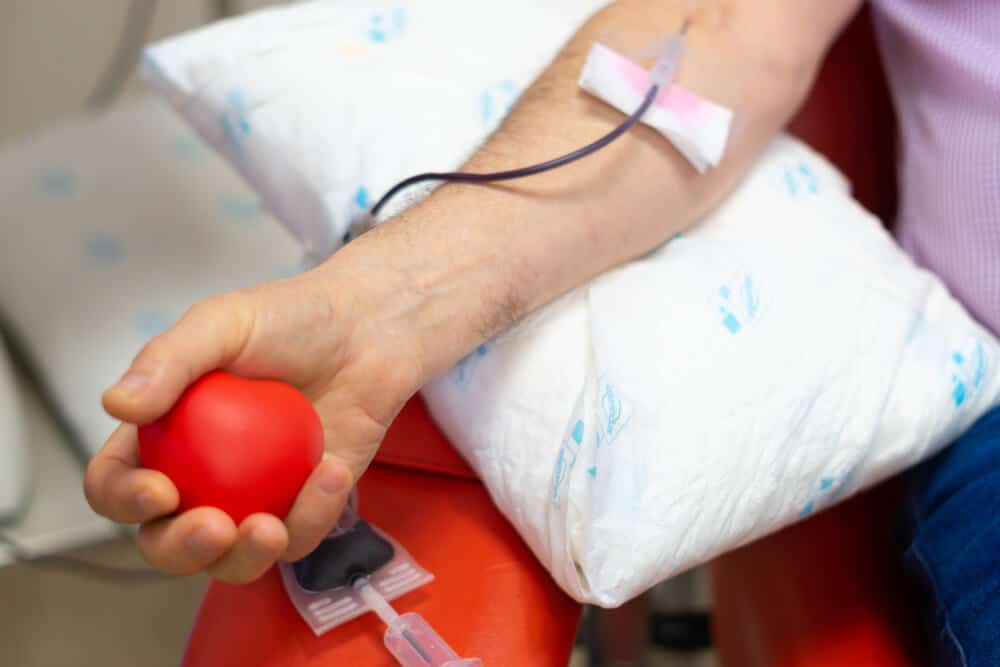
To understand the mechanics of the new offer, it is helpful to look at the standard process. Plasma, the liquid component of blood, is collected via a method called plasmapheresis. During a session, a donor’s blood is drawn, the plasma is separated and collected, and the remaining components are returned to the donor’s body. It is a relatively simple outpatient procedure that can be performed up to twice a week. The value of this collected plasma is immense; a single donation can yield proteins that, once fractionated and processed, are worth thousands of dollars to pharmaceutical clients.
Grifols' new donor bonus is designed to shorten the ramp-up period for new contributors. In the past, many centers relied on a tiered payment system, where donors earned a base rate per pound of plasma collected, with slight increases for consecutive donations. This model encouraged loyalty but did little to provide an immediate, lump-sum reward for taking the initial step through the door. The new program changes this calculus entirely.
**The Mechanics of the Bonus**
The specific figures of the Grifols new donor bonus can vary by location, but the structure is generally consistent across their network of BPL Plasma centers. The offer is typically front-loaded, meaning the bulk of the financial incentive is delivered immediately rather than over a long period of donation.
Here is a breakdown of how the new structure often compares to the legacy model:
1. **The Sign-Up Windfall:** Under the new program, a qualifying first-time donation can trigger a bonus payment ranging from $750 to $1,000. This is a stark contrast to the old system, where first payments might be as low as $20 or $30. This immediate influx of cash is the primary driver, creating a powerful short-term incentive.
2. **Retention Incentives:** While the initial payment is significant, the new program is not a one-time event. To ensure donors return, Grifols has layered in secondary incentives. These are often structured as tiered bonuses for consecutive donations. For example, a donor might receive an additional $250 for maintaining a schedule of two donations per week over a specific two-week period. This creates a dual-pillar approach: a high-value entry fee and a secondary reward for sustained participation.
3. **The Return on Time:** The math behind the bonus is compelling. If a center pays $300 per pound and collects an average of 600 grams (1.32 pounds), a standard donation might net a donor $400. With the new bonus, a donor completing the first session and a follow-up could walk away with $1,000 or more after just two appointments. This dramatically alters the hourly return on investment for a donor’s time. "It’s not just about the plasma anymore," explained Carlos Mendez, a 28-year-old donor in California who recently qualified for the bonus. "You factor in the gas, the time, and that initial payment? You’re looking at a pretty good hourly wage for sitting still for an hour."
However, the economic rationale extends beyond simple philanthropy. Plasma is the starting point for intravenous immune globulin (IVIG), a treatment for primary immunodeficiencies, and hypoimmunoglobulinemic patients. It is also a key ingredient in therapies for hemophilia and other rare genetic disorders. By securing a larger donor base, Grifols ensures it can continue manufacturing these high-margin drugs. The bonus, in effect, is a supply chain investment.
Yet, the strategy is not without controversy. Critics argue that substantial cash bonuses can create an overly transactional relationship with the donation process, potentially attracting donors motivated purely by the payout rather than a sense of civic duty. There are also concerns about the physical toll of maximizing donations to meet bonus thresholds. While the FDA strictly regulates plasma collection frequency to ensure donor safety, the push to earn the bonus faster could lead to tighter scheduling and longer sessions, raising questions about long-term donor well-being.
"The danger is creating a dynamic where the donation becomes a job, and like any job, there is a risk of burnout," warned one public health advocate who wished to remain anonymous. "The focus shifts from helping your neighbor to hitting a quota, and that can compromise the spirit of the program."
Grifols officials, however, frame the bonus as a necessary tool to modernize an essential industry. In a statement, a company spokesperson explained the logic behind the move, stating, "We are constantly evaluating our programs to ensure they are competitive and allow us to recruit and retain the vital plasma donors our source plasma program requires. This new structure helps us thank new donors for their critical contribution in a significant way while ensuring a stable supply for patients who rely on these therapies."
As the program rolls out nationwide, the industry is watching closely. If successful, it could set a new benchmark for donor recruitment, forcing competitors to reevaluate their own compensation models. For the average person looking to make some extra cash, the Grifols new donor bonus represents a significant, albeit temporary, opportunity. It is a clear signal that in the 21st-century biopharmaceutical economy, the value of a single drop of blood has never been higher.
Related Post

Grifols’ New Donor Bonus Program Redefines Patient Access in Rare Diseases
Grifols Introduces New Donor Bonus: A Game-Changer for Blood Donors

Cristina Yang's Bittersweet Departure: Unpacking the Iconic Medical Drama's Most Memorable Goodbye

Unraveling the Mysteries of the Perfect Mother: A Deep Dive into Jackerman Mother's Warmth Chapter 3