Grifols Plasma Pay: Compensating Life-Saving Donations
Grifols Plasma Pay: Compensating Life-Saving Donations
Across the United States, thousands of donors visit plasmapheresis centers to contribute plasma that enables therapies for immune deficiencies and neurological conditions. Grifols, a global leader in plasma collection, operates a significant portion of these centers through its Grifols Plasma division, which has introduced structured compensation programs to address longstanding supply shortages. This article examines how the Grifols Plasma pay model functions, the regulatory and ethical considerations it raises, and the impact on donor demographics and public health.
The Grifols Plasma compensation model represents a shift from purely voluntary donation frameworks toward a system that financially rewards donors for their time and biological contribution. As the company expands its network of collection centers, questions arise regarding equitable access to care, the potential for exploitation, and the long-term sustainability of a paid plasma economy. Understanding this model requires an examination of the logistical process, the remuneration structure, and the broader healthcare context in which it operates.
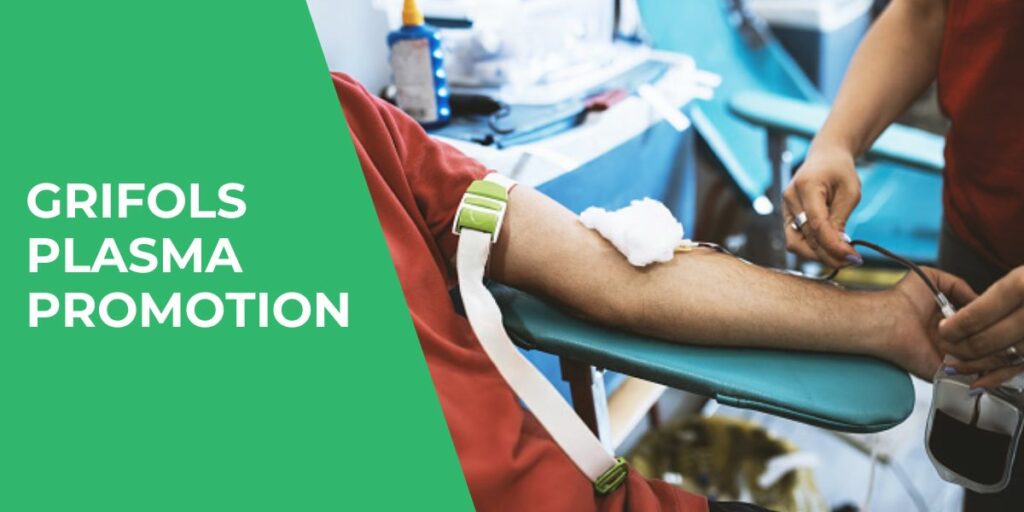
The plasmapheresis process is the technical backbone of the Grifols Plasma pay system. During a collection session, a donor’s blood is drawn, passed through a centrifuge that separates plasma from other blood components, and the remaining elements are returned to the donor. This cycle repeats over approximately 90 minutes, with each session yielding up to a liter of plasma. Grifols states that its stringent filtration and testing protocols ensure the final product meets standards for pharmaceutical manufacturing.
Compensation is typically structured around a per-donation basis, often with tiered incentives to encourage repeat visits and consistent contribution.
- Base pay is awarded for each successful collection, reflecting the volume and quality of plasma yielded.
- Donors may earn bonuses for achieving frequency milestones, such as donating multiple times within a week.
- Some centers offer promotional rates during specific periods to boost inventory levels.
The specific figures attached to Grifols Plasma pay vary by region and center, influenced by local labor markets and operational costs. For instance, a donor in one state might report earning between $20 and $50 per visit, while a center in another area may offer slightly higher rates to remain competitive in the local market. These variations highlight the lack of a universal standard, creating a patchwork of compensation across the country.
The business rationale for Grifols Plasma pay is rooted in the economic principles of supply and demand. Plasma is a source of essential proteins, such as albumin and immunoglobulins, that are fractionated into life-saving therapies. The increasing prevalence of autoimmune diseases and the aging population have driven global demand for these treatments. By offering financial incentives, Grifols aims to maintain a stable supply chain that ensures continuity of care for patients reliant on these therapies.
However, this market-driven approach is not without controversy. Critics argue that monetizing plasma bodily fluids can create a vulnerable class of individuals who rely on plasma income for essential expenses. Reports from non-profit advocacy organizations suggest that regular donors may experience physical strain or financial dependency, complicating the notion of voluntary altruism. Grifols maintains that its donor screening processes prioritize health and safety, ensuring that compensation does not encourage unsafe practices.
Regulatory frameworks attempt to balance these concerns. The U.S. Food and Drug Administration (FDA) has established guidelines governing the collection and processing of plasma, including requirements for donor education and informed consent. While these rules prohibit the sale of plasma for direct transfusion, they allow compensation for time and inconvenience. Grifols Plasma operations are subject to regular audits and must adhere to strict quality management systems to retain licensing.
The demographic composition of plasma donors is another area of interest for researchers and policymakers. Data from industry analyses indicates that a significant portion of compensated donors come from lower-income communities. This has sparked debate about health equity and whether financial incentives disproportionately target specific socioeconomic groups. Supporters counter that compensation enables individuals to access healthcare they might otherwise forgo, turning a medical appointment into a source of income.
Looking ahead, the future of Grifols Plasma pay will likely intersect with advances in biotechnology and changes in healthcare policy. The rise of genetic therapies and synthetic alternatives could alter the demand for human plasma, potentially shifting the industry’s reliance on paid donation models. Meanwhile, ongoing efforts to standardize compensation and improve donor protections will shape the ethical landscape of the sector.
In navigating these complexities, stakeholders must weigh the immediate benefits of a reliable plasma supply against the long-term social implications. The Grifols Plasma pay system exemplifies the tension between market efficiency and humanitarian values in modern healthcare. As the industry evolves, transparency and dialogue will be essential to ensure that the individuals who donate plasma are treated with the dignity and respect their contributions deserve.
Related Post
Grifols Plasma Payment Schedule: Unlocking the Value of Your Contribution