Henrico General District Court: Navigating Justice in Virginia's Prolific Circuit
Henrico General District Court: Navigating Justice in Virginia's Prolific Circuit
Located just outside the state capital, the Henrico General District Court serves as the primary judicial portal for tens of thousands of residents. It handles a wide spectrum of cases, from traffic infractions and misdemeanor crimes to small claims disputes and civil matters under twenty-five thousand dollars. This article provides a detailed overview of the court’s structure, procedures, and the essential rights available to individuals appearing before it.
The court operates as the entry point for the legal system in Henrico County, responsible for initial hearings, filings, and the resolution of a high volume of cases efficiently. Understanding how this specific court functions is critical for anyone facing a legal matter within its jurisdiction, as the decisions made here can significantly impact future rights and records.
The Anatomy of a General District Court
The Henrico General District Court is part of the Virginia General District Court system, which is the busiest trial court in the state. Unlike courts of record, decisions here can often be appealed de novo, meaning a entirely new trial is held in the next level court, the Circuit Court. This characteristic underscores the importance of treating every proceeding in General District with the utmost seriousness.
The jurisdiction of this court is broad but specific. It does not handle felony criminal cases or civil cases exceeding twenty-five thousand dollars, as those are reserved for the Henrico County Circuit Court. Instead, the docket is filled with cases that require a streamlined process, ensuring that the machinery of justice moves at a pace suitable for less complex matters.
Jurisdictional Boundaries and Case Types
To understand where a case belongs, one must first look at jurisdiction. The Henrico General District Court is explicitly authorized to handle specific categories of legal issues. These categories form the backbone of the court's daily operations.
* **Traffic Offenses:** The most common cases heard involve speeding, reckless driving, driving under the influence (DUI), and other motor vehicle violations. These matters can result in significant fines and the assessment of demerit points on a driver’s license.
* **Misdemeanor Criminal Charges:** Class 1 misdemeanors and other lower-level criminal offenses are adjudicated here. Charges such as domestic assault, petit larceny, and possession of marijuana are typical examples.
* **Civil Cases:** The court has jurisdiction over civil actions where the amount in controversy does not exceed twenty-five thousand dollars. This includes landlord-tenant disputes, breach of contract, and personal injury claims below the threshold.
* **Initial Appearances:** For cases that begin in the Circuit Court but involve probable cause hearings or bond determinations, the General District judge often oversees the first procedural steps.
The boundary between General District and Circuit Court is a crucial one. For instance, a simple breach of contract claim for ten thousand dollars belongs in General District, while a claim for one hundred thousand dollars must be filed in Circuit. Misunderstanding this boundary can lead to a case being dismissed or improperly transferred.
Navigating the Process: What to Expect
Appearance in this court can be a daunting experience, particularly for those unfamiliar with the legal system. The process is designed to move cases along efficiently, which means participants must be prepared. Preparation is the single most important factor in achieving a favorable outcome.
The first encounter is often an arraignment or an initial status conference. During an arraignment, the charges are formally read, and the defendant enters a plea of guilty, not guilty, or no contest. For a not guilty plea, the case is scheduled for a trial date. Understanding the weight of a plea here is vital, as pleading guilty immediately closes the door on the opportunity to contest the charges at a later trial.
Steps in a Typical Case
Whether the case is a traffic ticket or a small claim, the procedural path generally follows a similar pattern. Being aware of these steps can reduce anxiety and ensure proper participation.
1. **The Initial Appearance:** This is where the defendant enters a plea and learns the allegations against them.
2. **Discovery:** This is the phase where both sides exchange evidence. In criminal cases, the prosecutor must provide the defense with police reports, witness statements, and any exculpatory evidence. In civil cases, parties exchange documents and interrogatories.
3. **Pre-Trial Motions:** Attorneys may file motions to suppress evidence, dismiss charges, or compel discovery. These filings can significantly impact the strength of a case.
4. **The Trial:** If the case proceeds to trial, it is heard by a judge, as General District courts do not use juries. The judge acts as the finder of fact and law.
5. **The Verdict and Sentencing:** Following the trial, the judge delivers a verdict and, if guilty, imposes a sentence. Sentencing in General District can include fines, community service, and suspension of driving privileges.
For individuals representing themselves, known as *pro se* litigants, the rules of evidence and procedure still apply strictly. The judge acts as an impartial referee but is not allowed to provide legal advice. This makes self-representation a challenging path that requires meticulous preparation.
Rights of the Accused and Litigants
The legal framework ensures that individuals have specific protections when interacting with the state. These rights are fundamental to maintaining a fair balance between government power and individual liberty. In the Henrico General District Court, these rights are actively exercised.
The right to counsel is paramount. While the court does not provide a public defender in every civil matter, in any criminal case where jail time is a possibility, the defendant has the right to an attorney. If they cannot afford one, the court will appoint one. This ensures that the state’s power is met with adequate defense.
Other specific rights include:
* **The Right to a Fair Trial:** This includes the right to present witnesses, cross-examine prosecution witnesses, and testify on one’s own behalf.
* **The Right to Confrontation:** In criminal cases, the accused has the right to face and question the officer who issued the ticket or the accuser in a personal injury case.
* **The Right to Remain Silent:** Defendants are not required to testify and cannot be penalized for choosing not to do so.
* **The Right to Appeal:** As previously noted, a losing party in General District has the right to appeal the decision to the Henrico County Circuit Court, where the case can be retried.
These rights are not mere formalities; they are the pillars of a just system. A defendant who chooses to testify opens the door for cross-examination, a powerful tool for the defense to challenge credibility and evidence.
The Role of Technology and Efficiency
In recent years, the Henrico General District Court, like many judicial bodies, has embraced technology to manage its high caseload. Online filing systems and virtual hearings have become more prevalent, especially in the aftermath of the global pandemic. This push for efficiency aims to reduce delays and make the justice system more accessible.
However, this efficiency comes with considerations. While virtual hearings offer convenience, they can also present technical challenges and limit the non-verbal cues that a judge might rely on in a traditional in-person setting. The court must balance the need for speed with the need for a thorough and fair examination of the facts.
Local legal aid organizations often provide resources and clinics to help residents navigate the online filing process. These services are invaluable for those who may not be tech-savvy or who are dealing with complex legal issues on their own.
Impact on the Community
The Henrico General District Court is more than just a venue for legal disputes; it is a reflection of the community it serves. The types of cases that flow through its doors provide a snapshot of the local society, revealing trends in traffic safety, economic disputes, and criminal activity.
Data from the court can offer insights into public safety and the effectiveness of local law enforcement. For example, trends in DUI convictions might indicate the success of local sobriety checkpoints or educational campaigns. Similarly, the volume of landlord-tenant cases can signal economic pressures within the community.
By processing these cases, the court plays a vital role in maintaining order and resolving conflicts. It provides a structured environment where grievances can be addressed according to the rule of law, rather than through self-help or extralegal means. This function is essential for the stability and health of Henrico County.
Conclusion
The Henrico General District Court stands as a critical institution within Virginia’s legal landscape. It serves as the workhorse of the judiciary, handling a vast array of cases that require timely resolution. Whether adjudicating a minor traffic violation or a significant civil dispute, the court operates with a mandate for efficiency and fairness. For any individual whose life intersects with its docket, understanding the court’s procedures and rights is not just helpful—it is essential for navigating the path to justice.
Related Post

**Uncovering the Facts: A Deep Dive into Henrico General District Court Case Information**
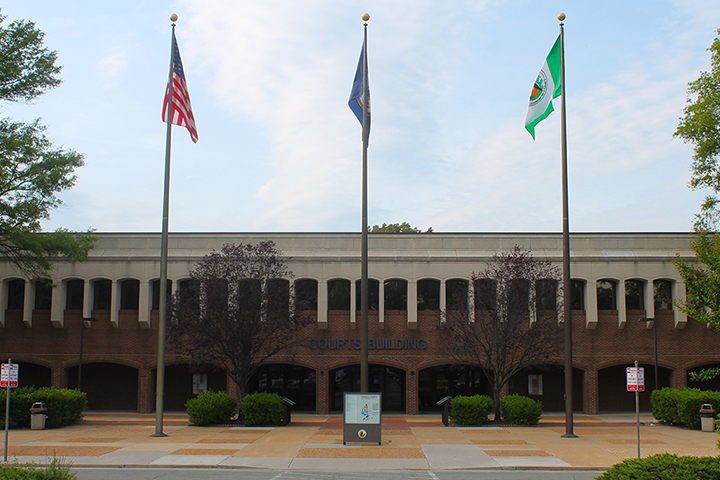
Henrico General District Court: Unlocking Justice in the Henrico County Judicial System
Decoding Henrico General District Court Case Information: Your Guide to Public Records and Legal Searches

Le'Andria Johnson Net Worth: The Gospel Singer's Journey to Financial Success