Highlander Pipeline: The Critical Artery Redefining Energy Logistics in 2024
Highlander Pipeline: The Critical Artery Redefining Energy Logistics in 2024
The Highlander Pipeline represents a pivotal infrastructure project in North America's energy sector, designed to transport crude oil and natural gas liquids across key producing regions. Officially inaugurated in 2023 after years of planning and regulatory hurdles, this 650-mile system connects prolific basins to major refining hubs. Industry analysts describe it as a necessary adaptation to shifting market dynamics and aging legacy infrastructure.
Strategic Design and Technical Specifications
The pipeline's architecture reflects deliberate engineering to navigate complex terrain and regulatory environments. Built to transport light crude and condensate, it incorporates advanced monitoring systems crucial for safe operations across varied ecosystems.
- Route Configuration: Spanning from the prolific Permian Basin in West Texas through New Mexico to export hubs along the Gulf Coast, the Highlander route was selected to minimize disruption to sensitive land areas while maximizing access to loading facilities.
- Capacity Metrics: Initial design capacity stands at 600,000 barrels per day, with expansion modules physically installed to accommodate future throughput increases up to 900,000 barrels per day.
- Pressure and Composition: Operating at a maximum pressure of 1,440 psi, the line is optimized for light, volatile liquids, utilizing compression stations strategically placed every 40-60 miles to maintain flow efficiency.
"The engineering challenges presented by the Davis Mountains and Balmorhea Aquifer crossings required innovative solutions," notes a senior project engineer familiar with the development. "We implemented real-time leak detection technology with sub-second response triggers, which sets a new benchmark for environmental safety in sensitive watershed areas."
Economic Impact and Market Dynamics
Since becoming operational, the Highlander Pipeline has significantly altered regional oil movement economics. Producers now have a reliable alternative to constrained rail and older pipe systems, reducing logistics costs and increasing market access to Gulf Coast refineries and export terminals.
- Cost Reduction for Producers: Shippers utilizing the Highlander have reported transportation cost savings of 25-40% compared to rail alternatives, directly improving margins for operators in the core regions.
- Refinery Feedstock Optimization: Coastal refineries, particularly those processing light crude, have increased utilization rates by securing more stable, high-volume pipeline deliveries through this corridor.
- Logistics Market Stabilization: By providing a consistent pipeline alternative, the project has helped dampen extreme price volatility in the West Texas intermediate crude market during peak congestion periods.
The infrastructure has also spurred secondary economic activity, with an estimated 1,200 permanent technical and operational positions created along the route, from control room operators to maintenance specialists.
Environmental Considerations and Regulatory Compliance
Pipeline projects of this scale face rigorous environmental scrutiny, and the Highlander development was no exception. Multiple federal and state agencies conducted comprehensive reviews before granting necessary permits and certifications.
Environmental Safeguards Implemented
The planning phase incorporated significant mitigation measures identified through environmental impact assessments:
- Watershed Protection: Advanced horizontal directional drilling (HDD) techniques were employed beneath eight major river crossings, including the Colorado River and several critical aquifer recharge zones, to eliminate surface disturbance in these sensitive areas.
- Habitat Preservation: Construction activities were restricted during verified nesting and migration seasons for protected species, with real-time ecologists monitoring sites to ensure protocol adherence.
- Reclamation Standards: Post-construction land restoration exceeds state requirements, with native vegetation species carefully selected to ensure ecosystem functionality equivalent to pre-construction conditions.
"We've moved beyond basic compliance to implement a 'net gain' conservation approach in several segments," explains an environmental compliance officer with oversight of the project. "This includes creating over 200 acres of new wetland habitat as compensation for unavoidable impacts elsewhere."
Operational Resilience and Future Outlook
The Highlander Pipeline has demonstrated operational reliability since startup, maintaining over 99% uptime during its first full commercial year. This consistency has made it a preferred transportation option for producers and marketers alike, particularly during periods of weather-related disruptions affecting other transport modes.
Looking ahead, integration with emerging hydrogen infrastructure presents potential evolution pathways. Engineers have designed the pipeline with materials and specifications compatible with future hydrogen blending projects, positioning the corridor for participation in the developing clean energy economy.
"The Highlander system represents the current state of pipeline engineering, but we've built it with adaptability in mind," concludes a project operations manager. "As energy demands and sources evolve over the next several decades, this infrastructure can continue serving as a vital conduit with appropriate modifications."
Related Post
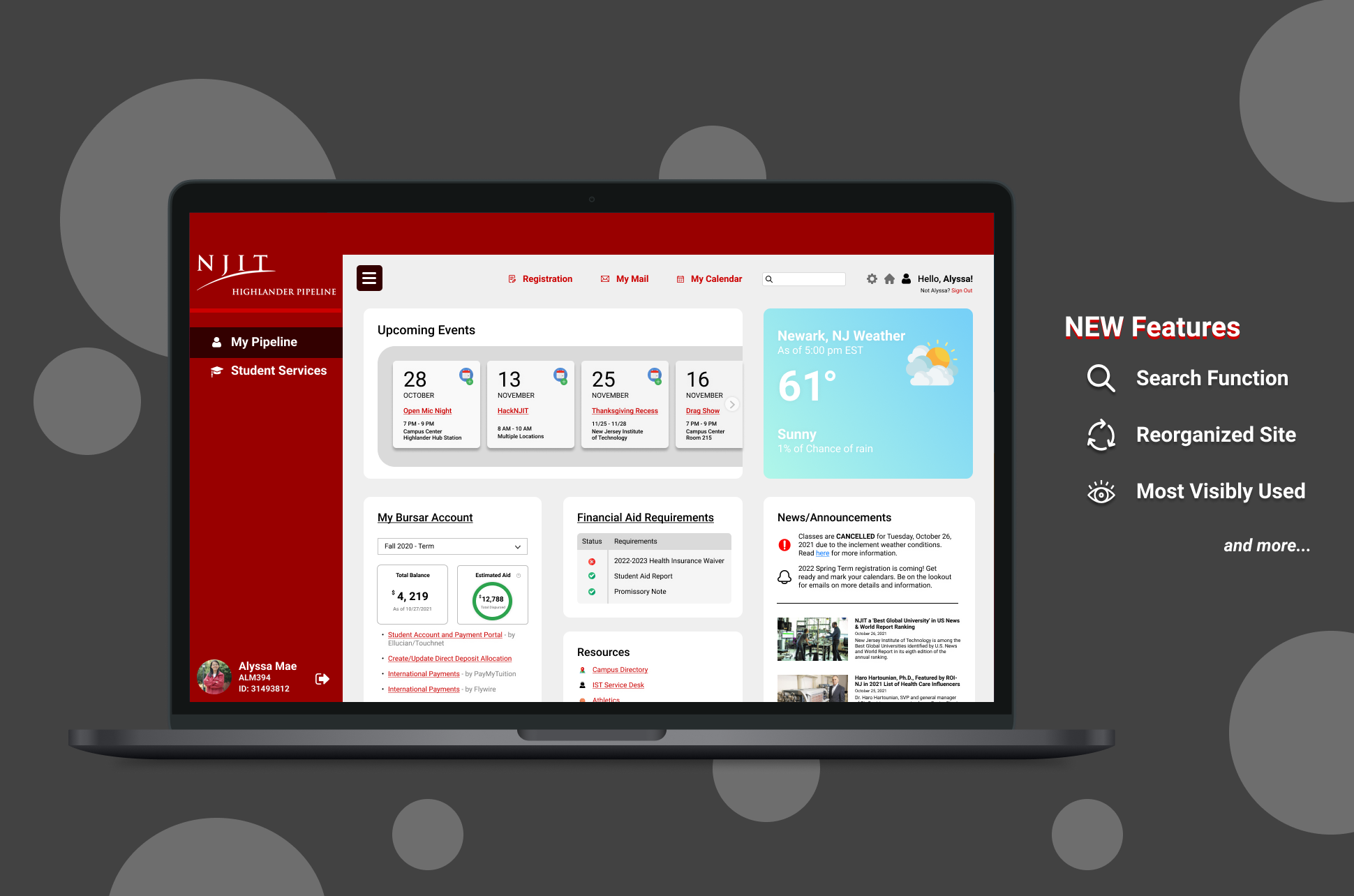
The NJIT Highlander Pipeline: Unlocking Opportunities for a Brighter Future
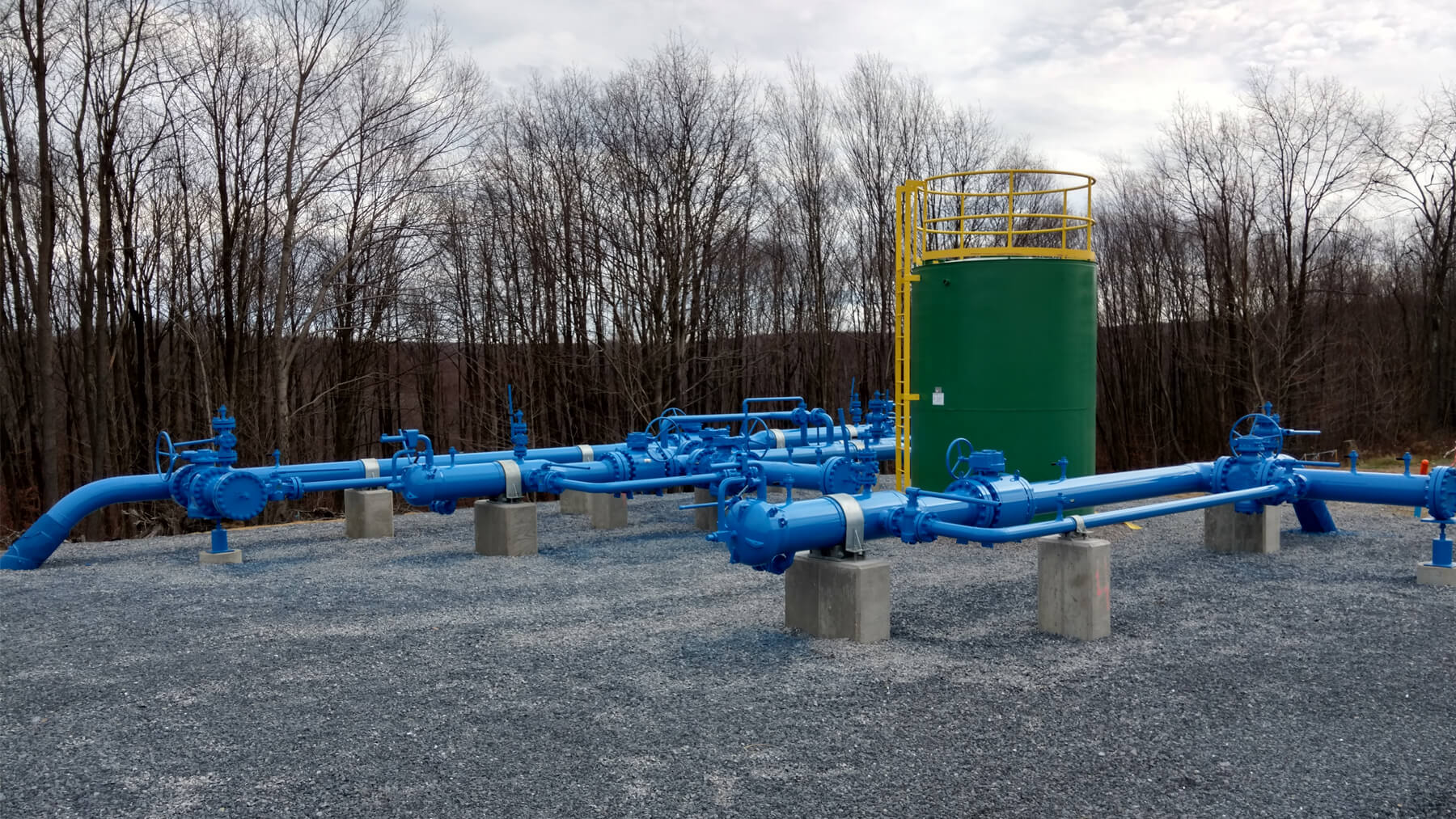
The Highlander Pipeline: Njit and the Future of Energy
Unleashing Peak Efficiency: How the NJIT Highlander Pipeline is Revolutionizing Data Flow
Highlander Pipeline Njit: Revolutionizing Data Flow in Modern Systems


