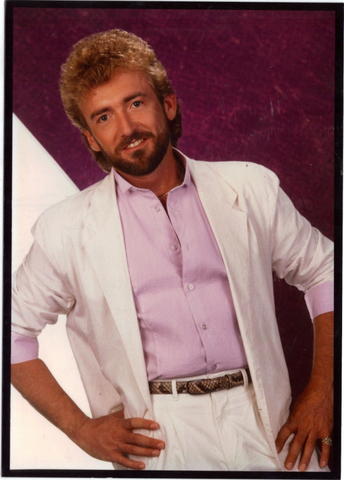
How Did Keith Whitley Die? Inside the Tragic Final Chapter of a Country Legend
How Did Keith Whitley Die? Inside the Tragic Final Chapter of a Country Legend
Keith Whitley's career ascended in the bright lights of Nashville, yet his life was cut short by a hidden struggle. The country singer died at the age of 33, leaving behind a grieving fanbase and a legacy defined by hits like "Don't Close Your Eyes." His passing was the result of a cardiac arrest triggered by acute alcohol poisoning, a stark reminder of the dangers of substance abuse.
The trajectory of Keith Whitley's life and career reads like a classic country narrative, filled with hardship, determination, and eventual success. Born in Kentucky and honing his craft in the bluegrass scene, he moved to Nashville in the early 1980s. He found his place in the music industry, first as a member of Ricky Skaggs's band and later as a solo artist. However, beneath the surface of his rising stardom, a personal battle with alcoholism was escalating, ultimately leading to a tragic and sudden end.
To understand how Whitley died, one must look at the circumstances surrounding his final days, the medical cause of death, and the lasting impact his struggle and passing have had on the country music world.
### The Rise of a Country Star
Before examining the finality of his death, it is essential to acknowledge the talent that made him a star. Keith Whitley began his professional music career as a teenager, playing banjo in Ralph Stanley's band. He later joined Ricky Skaggs, where his distinctive high tenor voice became a signature sound in the bluegrass and country scene. His move to Nashville in 1983 marked a turning point. He signed with RCA Records and began releasing solo work that resonated deeply with audiences.
His breakthrough came with the 1988 album "Don't Close Your Eyes." The title track became his signature song, reaching number one on the Billboard Hot Country Singles chart. Other hits like "When You Say Nothing at All" and "I'm No Stranger to the Rain" solidified his status as one of the most promising new voices in country music. His voice was known for its emotional depth and purity, qualities that connected with listeners on a profound level. At the height of his powers, he was poised for a long and illustrious career.
### The Hidden Struggle
Despite his professional success, Whitley's personal life was haunted by a severe alcohol dependency. His struggle with alcoholism was not a secret confined to Nashville's nightlife; it was a well-documented aspect of his life known to friends, family, and colleagues. He had a history of drinking problems that dated back to his teenage years. The pressures of fame, combined with his long-standing addiction, created a volatile situation.
He reportedly drank heavily the night of his death. According to accounts from those close to him, including his wife, country singer Lorrie Morgan, Whitley consumed a significant amount of alcohol prior to collapsing. This binge drinking was the direct catalyst for the physiological events that would prove fatal. The addiction that had plagued him for years reached a critical point that fateful night in 1989.
### The Medical Cause of Death
The official cause of Keith Whitley's death was cardiac arrest. Specifically, medical examiners determined that he died from "acute alcohol poisoning" leading to cardiac arrhythmia. In simpler terms, the massive intake of alcohol caused his heart to stop beating regularly.
* **Acute Alcohol Poisoning:** This occurs when a person consumes a dangerous amount of alcohol in a short period. The liver can only process a certain amount of alcohol per hour, and when overwhelmed, the bloodstream becomes saturated with alcohol (ethanol). This depresses the central nervous system and affects vital functions.
* **Cardiac Arrest:** The high blood alcohol level placed immense stress on Whitley's cardiovascular system. It disrupted the electrical signals that regulate the heartbeat, causing his heart to fibrillate or stop entirely. He was found unresponsive at his home in Nashville and was pronounced dead at a local hospital.
A 2020 article from *The Boot* quotes Lorrie Morgan recalling the tragic details, shedding light on the finality of the event. "They were trying to revive Keith for hours," Morgan said. "They brought him back once, and he opened his eyes and looked at me, and then he passed again. And I knew." This moment captured the desperate medical intervention and the inevitability of the outcome.
### Timeline of Tragedy
The events leading to Whitley's death unfolded over a single, devastating evening.
1. **May 6, 1989:** The day began normally, but Whitley was reportedly struggling with the cravings of his addiction.
2. **Evening:** He attended an event or gathering where alcohol was present. Accounts from the time indicate he drank heavily throughout the evening.
3. **Later That Night:** Whitley returned to his home in Goodlettsville, Tennessee, with his wife, Lorrie Morgan. He reportedly collapsed and was unable to be revived.
4. **Early May 7, 1989:** Emergency responders were called to the home. Despite val efforts to resuscitate him, Keith Whitley was pronounced dead at Vanderbilt University Medical Center. He was 33 years old.
### A Lasting Legacy
The shock of Whitley's death sent ripples through the country music industry. Fans and fellow musicians were devastated by the loss of such a young and gifted artist. His posthumous album, "Don't Close Your Eyes Ashore," was released after his death and included the poignant title track. It served as a final testament to his talent and a tragic reminder of his mortality.
His death also brought national attention to the dangers of alcoholism, particularly within the entertainment industry. It stood as a sobering counterpoint to the glamorous image often associated with stardom. Whitley's story remains a powerful cautionary tale about the destructive nature of addiction.
In the years since his passing, Keith Whitley's music has endured. His songs continue to be played on radio stations and streaming platforms, introducing his emotional voice to new generations. While the "how" of his death is a matter of medical record, the "why" often leads to a deeper reflection on the personal demons he fought. His legacy is a complex one, defined by the brilliance of his music and the sorrow of his early departure, a life cut short by a battle with alcohol.
Related Post