How Many Ounces In A Liter? The Exact Conversion Numbers, Everyday Examples, And Why Precision Matters
How Many Ounces In A Liter? The Exact Conversion Numbers, Everyday Examples, And Why Precision Matters
A liter is defined as exactly 0.264172052358148 gallons, and since one US gallon contains exactly 128 fluid ounces, the result is approximately 33.814 fluid ounces in a liter. This single sentence captures the core answer, yet the practical implications touch cooking, commerce, science, and global standards of measurement. In a world where recipes, product labels, and scientific data cross borders, knowing how many ounces are in a liter is more than a trivia fact; it is a tool for accuracy and consistency.
The liter belongs to the metric system, a decimal-based measurement framework adopted by most countries worldwide to standardize volume. It is defined in terms of the cubic decimeter, exactly 1000 cubic centimeters, and traces its modern origins to the French Revolution and the subsequent push for rational, universal units. Officially, the liter was redefined in 1964 by the International Committee of Weights and Measures to be exactly one cubic decimeter, aligning it precisely with the meter and centimeter. Because the metric system is built on multiples of ten, conversions within liters, milliliters, and cubic centimeters remain straightforward, avoiding the fractions that complicate other systems.
In contrast, the fluid ounce is a unit rooted in history and geography, and it differs between the United States and the United Kingdom. The US fluid ounce is based on the wine gallon historically used in England, standardized in 1824 for the British imperial system, but the American version was retained after independence. One US fluid ounce is defined as exactly one one-hundred and twenty-eighth of a US gallon, which is legally defined as 231 cubic inches. This legal definition anchors all US liquid measures, including the fluid ounce, to a precise physical standard that can be reproduced in a laboratory or courtroom.
The precise mathematical relationship between these systems yields a conversion factor that professionals rely on daily. Multiplying the volume in liters by 33.8140226 yields the equivalent volume in US fluid ounces, a figure used by engineers, chefs, and chemists who need reliable numbers. For approximate mental math, many people use 33.8 or even 34, accepting small error margins for convenience in everyday situations. The following step-by-step breakdown shows how the exact number emerges from the definitions of the two units.
1. Begin with the definition of a US gallon as exactly 231 cubic inches.
2. Convert cubic inches to cubic centimeters using the exact relationship of 1 inch equaling 2.54 centimeters, so 1 cubic inch becomes approximately 16.387064 cubic centimeters.
3. Multiply 231 by 16.387064 to determine that a US gallon is about 3.785411784 liters.
4. Divide 128 US fluid ounces, which make up one gallon, by 3.785411784 liters per gallon.
5. The result is roughly 33.8140226 fluid ounces per liter, a figure that balances theoretical precision with practical usability.
This conversion is not merely academic; it appears in countless real-world scenarios where people must translate between metric and US customary measurements. Home cooks adjusting an international recipe, travelers comparing fuel economy figures, and medical professionals calculating dosages all depend on a clear grasp of how many ounces fit into a liter. Misunderstanding the difference between US and UK fluid ounces can lead to recipes that fail or instructions that confuse, highlighting why precision matters beyond simple curiosity.
In culinary contexts, the liter and ounce relationship shows up most visibly on recipe websites, product packaging, and kitchen scales. A European soup recipe calling for 1.5 liters of broth translates to just over 50 US fluid ounces, information that home cooks in the United States can measure using liquid cups or ounce markings on containers. Beverage companies also navigate this conversion regularly, bottling water and soft drinks in sizes such as 1.5-liter or 2-liter containers that must align with familiar ounce-based marketing language for US consumers. Restaurants and bars that serve cocktails crafted from metric recipes must convert accurately to maintain flavor consistency and control costs.
Industries such as manufacturing, transportation, and healthcare operate on standards where the liter-to-ounce conversion carries both financial and safety implications. Fuel efficiency ratings, for example, are often expressed in miles per gallon in the United States but liters per 100 kilometers in many other countries, requiring travelers and policymakers to understand the underlying volume relationship. Pharmaceutical guidelines, cleaning product labels, and scientific research papers may present dosages or concentrations in liters, yet practitioners accustomed to ounces must perform careful conversions to avoid dosing errors or formulation mistakes. Because small numerical errors scale up quickly in industrial processes, using the precise factor of 33.8140226 is essential rather than optional.
Global trade further illustrates why knowing how many ounces are in a liter is increasingly relevant even for regions that primarily use one system. Export contracts, shipping specifications, and regulatory compliance documents often mix metric and US customary units, and misunderstandings can lead to rejected shipments or financial penalties. Importers purchasing goods described in liters must communicate clearly with suppliers and logistics partners about the expected volume in ounces for inventory management and shelf labeling. International standards bodies and trade associations rely on consistent conversion factors to reduce friction and ensure that measurements are interpreted the same way everywhere.
Consumers also encounter this conversion when comparing unit prices on store shelves, where products may be labeled with cost per liter in one section and cost per ounce in another. Using the conversion factor of roughly 33.814 fluid ounces per liter, shoppers can calculate whether a larger metric-sized container offers better value than a smaller US-standard option. Price comparison apps and in-store calculators often perform these conversions automatically, but understanding the math helps people question results that seem inconsistent or inaccurate. Being literate in both systems empowers consumers to make informed purchasing decisions rather than relying solely on automated translations.
Not every field uses the exact same ounce, and confusing fluid ounces with weight ounces is a common source of error. The fluid ounce measures volume, whereas the ounce used for weighing mass, such as food or cargo, belongs to the avoirdupois system. On the scale, one avoirdupois ounce weighs about 28.35 grams, but that has no direct equivalence to a fluid ounce of liquid volume. In recipes and scientific formulas, confusing the two can ruin a dish or skew experimental results, so careful attention to context is necessary.
Technology has simplified the act of converting between liters and ounces, with countless online calculators, smartphone apps, and built-in functions on devices. Yet a basic mental framework remains valuable when digital tools are unavailable or when verifying that automated results are reasonable. Knowing that a liter is somewhat larger than a standard US quart, which contains 32 fluid ounces, provides a quick check that conversions are in the right ballpark. For instance, if a calculation shows a liter as only 16 ounces, it immediately signals a mistake in unit handling or formula selection.
The distinction between US and UK fluid ounces, though small, can matter in precise applications. The UK uses the imperial fluid ounce, which is about 1.04167 times larger than the US version because the imperial gallon is about 1.201 times larger than the US gallon. A recipe based on UK measurements converted carelessly to US terms could yield slightly different volumes, affecting baking or brewing outcomes. Professionals working with international standards often specify which system they reference and include the conversion factor explicitly to prevent ambiguity.
Ultimately, the answer to how many ounces in a liter depends on which ounce is meant, but the most common reference in the United States is the US fluid ounce. The precise figure is approximately 33.8140226 fluid ounces per liter, a number derived from the definitions of the gallon, the inch, and the liter itself. Armed with this knowledge, people can navigate recipes, product labels, scientific data, and global trade with greater confidence, avoiding errors and ensuring that measurements align with their intentions. Understanding this conversion is less about memorizing a number and more about appreciating how different measurement systems interact in daily life and professional work.
Related Post
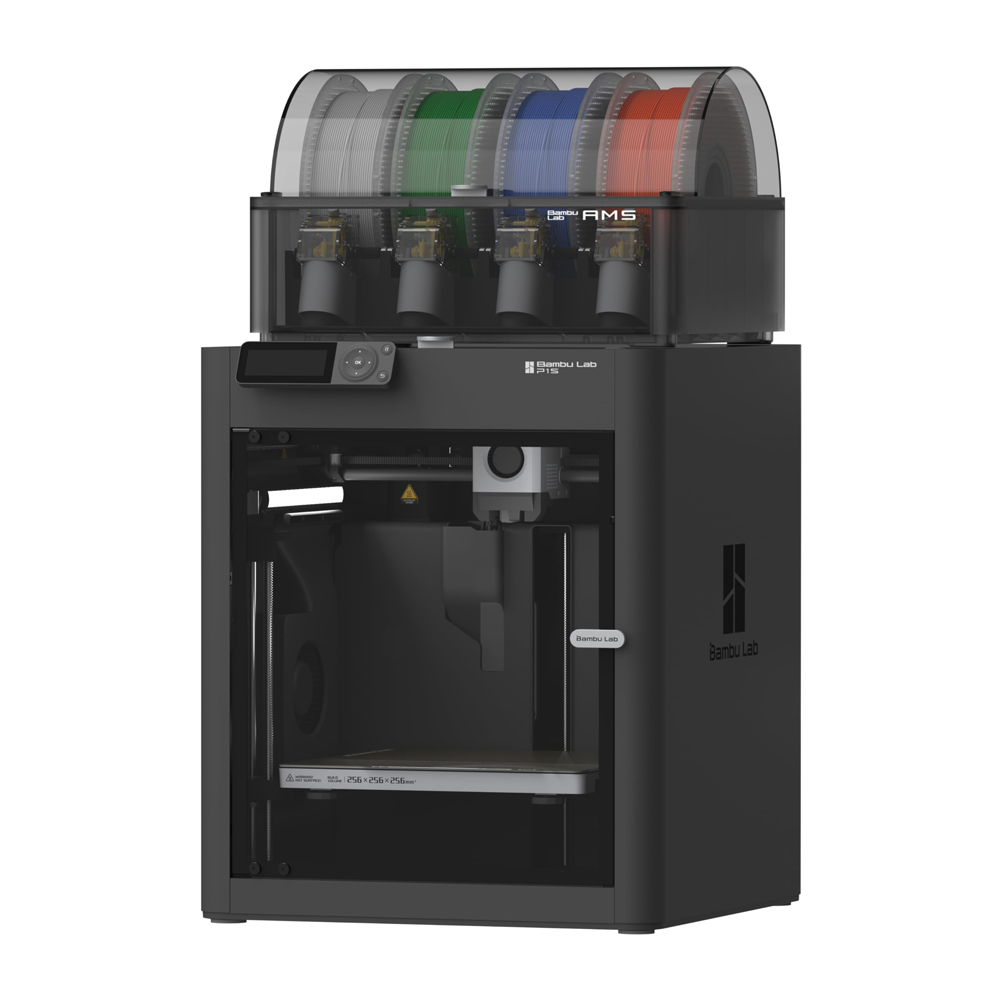
Bambu Lab P1S Pro Combo: Is It the Ultimate 3D Printer for Serious Hobbyists and Creators?

Jazzghost Minecraft’s Jazzghost Mod: Terror Awaits – Where Music Drowns in Nightmare

Understanding US Law: The Living Framework That Shapes American Life

Top 5 Richest States in Brazil: Unlocking the Secrets of Regional Economic Power