How Nippon Baseball is Quietly Reshaping Global Baseball: The Untold Story Behind Japan’s Diamond Dominance
How Nippon Baseball is Quietly Reshaping Global Baseball: The Untold Story Behind Japan’s Diamond Dominance
In the hushed, immaculate corridors of Japanese baseball stadiums, a quiet revolution has been unfolding for decades, one that has subtly recalibrated the global balance of power on the diamond. Long before the modern era of high-profile MLB signings from Japan, a distinct baseball culture was maturing behind the insular walls of Nippon Professional Baseball, blending obsessive discipline with cutting-edge analytics. This article explores how the unique ecosystem of Nippon Baseball—shaped by its corporate ownership, rigorous training philosophies, and deep-rooted cultural values—has not only produced world-class talent but also influenced the strategic and technological evolution of the sport worldwide, often serving as a proving ground and a blueprint for excellence that the international game increasingly follows.
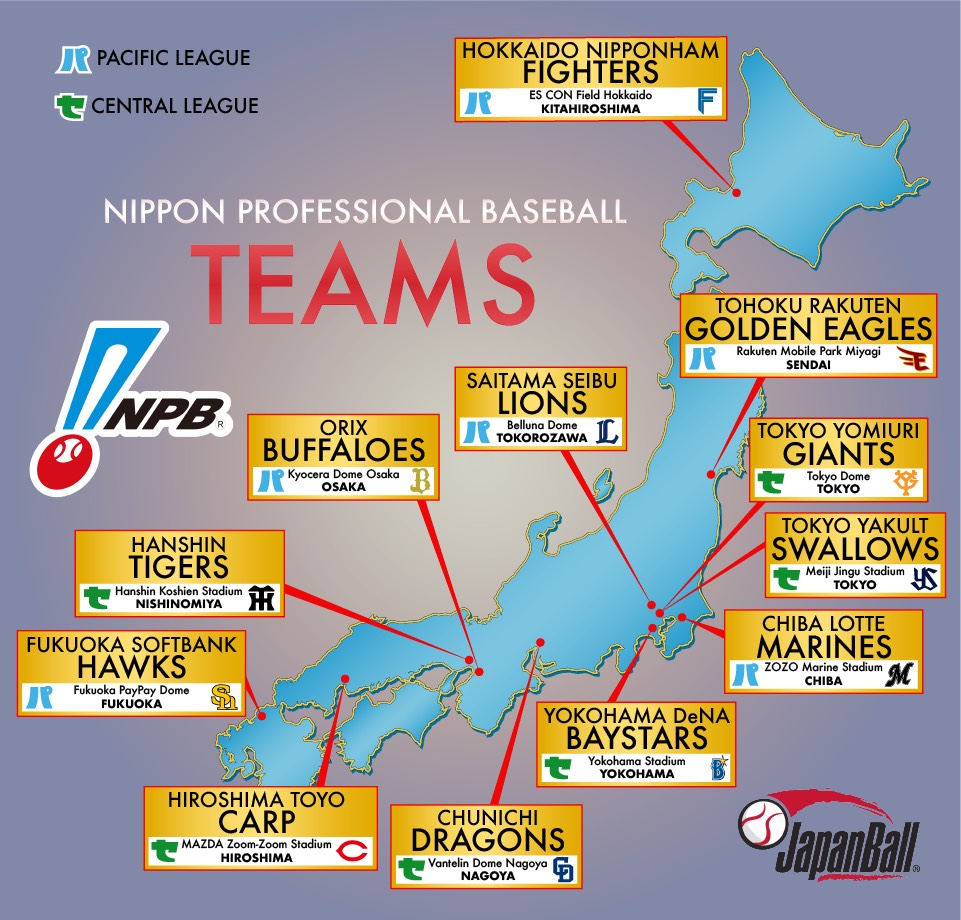
The structure and governance of Nippon Baseball stand in stark contrast to the franchise-driven, market-centric models of major leagues across the globe. Officially known as Nippon Professional Baseball (NPB), the league operates as an amalgamation of twelve teams divided between the Central League and the Pacific League, a system inherited from its post-war reorganization in 1950. Unlike the open-market economics of MLB, NPB teams have historically been corporate entities, originally tethered to major Japanese conglomerates, or *keiretsu*, such as the Yomiuri Shimbun newspaper group (Yomiuri Giants) or the SoftBank telecommunications conglomerate (SoftBank Hawks). This corporate stewardship instilled a philosophy of stability and long-term planning, prioritizing organizational continuity over the short-term volatility of free agency. The financial framework is tightly regulated, featuring a formal salary cap system designed to preserve competitive balance, a concept that has only recently gained traction in other major baseball markets.
The cultural emphasis on harmony and collective success permeates every level of the game. The recruitment and development pipeline is a testament to this, focusing intensely on high school and collegiate players who are molded within a rigid, almost military-style training regimen. The famous Japanese batting stance, often low and compact, is not merely a stylistic choice but a product of this systemic approach, prioritizing contact, bunting, and situational hitting over the raw power-centric swing favored in some other baseball cultures. This systemic identity is perhaps most clearly articulated by Dr. Kenji Hoso, a sports sociologist at Nihon University, who notes, "The Japanese approach to baseball is less about the singular hero and more about the seamless integration of the individual into a precise, functioning machine. The value is placed on mastering the fundamentals until they become an indistinguishable part of the team's collective rhythm." This philosophy manifests in the obsessive attention to detail, from the precise angle of a sliding technique to the specific nutritional plans designed for each player.
The influence of Nippon Baseball extends far beyond its domestic borders, primarily through the consistent stream of elite talent that has successfully transitioned to the MLB. Since Hideo Nomo blazed a trail with his distinctive submarine pitching and Rookie of the Year award in 1995, the league has served as a critical developmental ground for American scouts. Players like Yu Darvish, Masahiro Tanaka, and Shohei Ohtani became household names, not just for their extraordinary skill, but for embodying the "NPB effect"—a label for the premium placed on Japanese players due to their perceived professionalism, coachability, and exceptional work ethic. The technical refinement of NPB pitchers, in particular, is legendary; their command of an extensive arsenal of breaking balls and pinpoint control within the compact strike zone of Japan often gives them a significant adjustment curve when they arrive in the spacious confines of American ballparks. The transition is rarely seamless, as players must adapt to a higher velocity game and different strategic nuances, yet the core skillset honed in Japan remains a highly valued commodity.
Beyond player development, Nippon Baseball has been a significant driver of technological and strategic innovation. The league was an early adopter of advanced analytics, long before "Moneyball" brought sabermetrics into the mainstream conversation in the United States. NPB clubs maintain sophisticated internal data collection systems that track an exhaustive array of metrics, from pitch velocity and spin rate to the precise footwork of baserunners. This data-driven approach has fostered a strategic environment that values patience and precision. The infamous "intentional walk" button, for instance, was utilized in NPB long before it was officially adopted in MLB, showcasing a league unafraid to implement rules that enhance the strategic depth of the game. Furthermore, the integration of cutting-edge technology into training is pervasive. Players routinely undergo biomechanical analysis to refine their swings and pitching mechanics, utilizing motion-capture technology that would be at home in any top-tier sports science facility. This fusion of high-tech analysis with traditional baseball fundamentals has created a distinct style of play that is both cerebral and executionally precise.
The international impact of Nippon Baseball is perhaps most vividly displayed on the world stage during competitions like the World Baseball Classic. Japanese teams, composed of a blend of NPB and MLB players, have consistently been among the most formidable competitors, showcasing a disciplined, team-first approach that often proves decisive in tournament play. Their success has not only elevated the global profile of the sport but has also provided a valuable comparative study for baseball nations worldwide. The league's influence is also felt in the cross-pollination of coaching philosophies and playing styles. American managers and coaches who have spent time in NPB often return home with a renewed appreciation for the minutiae of the game, integrating lessons on pitch framing, defensive positioning, and bullpen management into their own strategies. As former MLB manager Terry Francona, who has managed both in the American league and for the Japanese national team, has observed, "There is a level of preparation and attention to detail in Japan that is simply unmatched. They treat every aspect of the game with a seriousness that forces you to elevate your own standards."
Looking ahead, the relationship between Nippon Baseball and the global baseball community is poised for further evolution. The ongoing negotiation of player contracts and transfer windows reflects a maturing market, as NPB balances its cherished traditions with the realities of a more interconnected sporting world. The potential for expanded global partnerships, exhibition series, and collaborative training initiatives presents an opportunity for the league to solidify its role as a central pillar of the international baseball ecosystem. While challenges such as demographic shifts and the relentless pursuit of new entertainment options for younger fans persist, the core tenets of discipline, excellence, and innovation that define Nippon Baseball remain its most potent assets. In a sport increasingly defined by globalization, the unique identity and enduring influence of Japan’s professional baseball league continue to resonate, offering a compelling model of how tradition and modernity can coexist to elevate a game cherished by millions.
Related Post
Nippon Baseball: Where Tradition, Precision, and Passion Collide
Nippon Baseball Standings: Decoding Japan’s Professional League in Real Time

Nippon Baseball: The Enduring Heart of Japan’s Passion for Fastpitch


