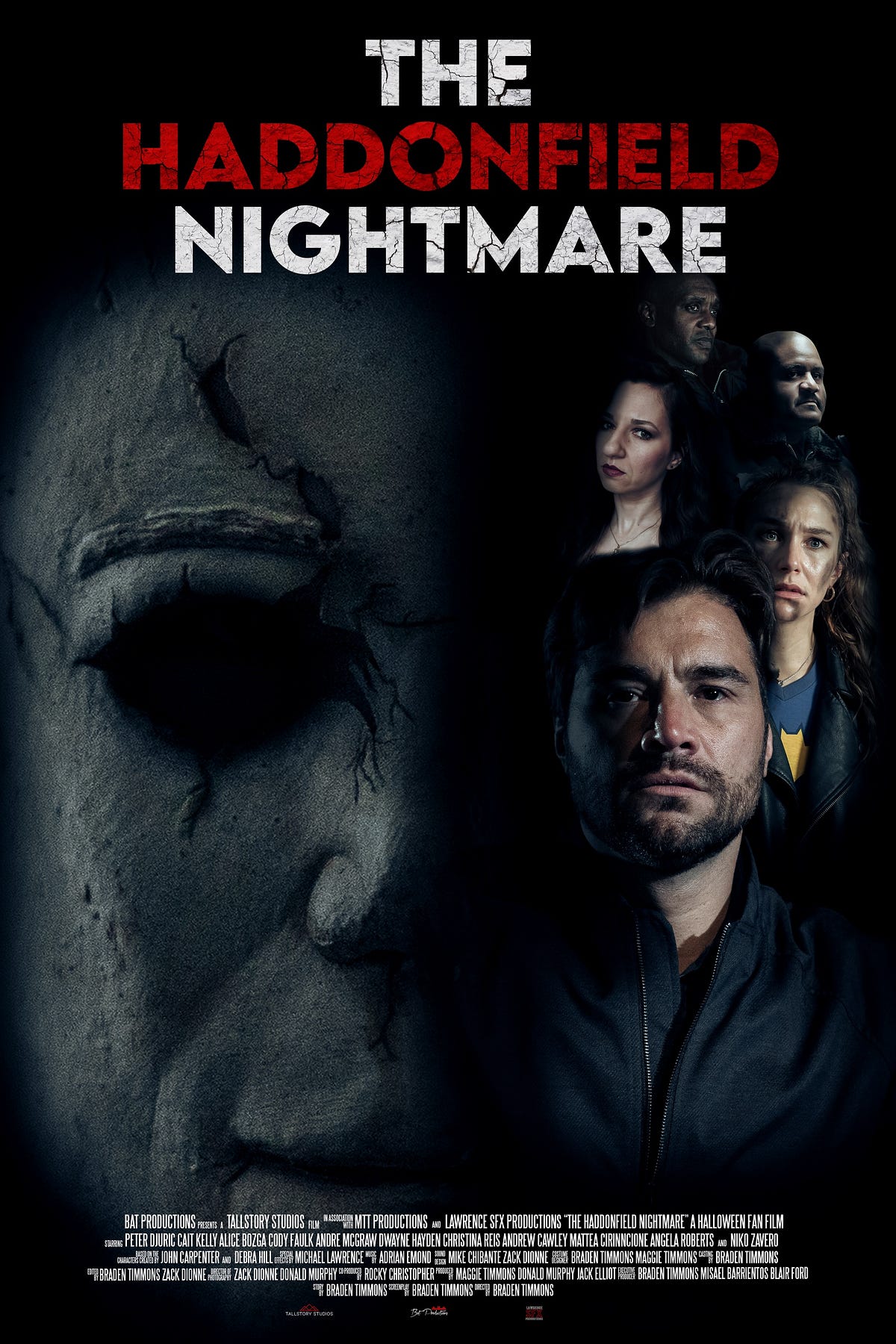
Inside Austin Miller’s “The Haddonfield Nightmare”: Dissecting The Anatomy Of A Modern Horror Phenomenon
Inside Austin Miller’s “The Haddonfield Nightmare”: Dissecting The Anatomy Of A Modern Horror Phenomenon
Since its late 2023 premiere, Austin Miller’s The Haddonfield Nightmare has dominated conversation in genre circles, lauded for its unnerving atmosphere and psychological depth. Critics and audiences alike have dissected its methodical pacing and unsettling imagery, positioning it as a significant evolution in the modern slasher subgenre. This article examines the film’s craftsmanship, cultural resonance, and the creative philosophy that allowed Miller to transform familiar tropes into a fresh, nerve-shredding experience.
From its opening sequence, the film rejects cheap jump scares in favor of a creeping sense of dread that burrows beneath the skin. Miller’s direction emphasizes sound design and negative space, forcing viewers to lean into the darkness where imagination becomes the true antagonist. What emerges is less a traditional horror narrative and more a clinical study of trauma’s lingering presence in a seemingly idyllic suburban landscape.
The foundation of The Haddonfield Nightmare lies in its deliberate subversion of expectations. Rather than a straightforward revenge tale, Miller presents a fractured reality where memory and myth blur, challenging the audience’s perception of truth. This thematic complexity, paired with its technical precision, has sparked widespread analysis regarding the state of contemporary horror filmmaking.
The Genesis Of A Nightmare: Concept And Development
The origins of The Haddonfield Nightmare trace back to writer-director Austin Miller’s fascination with the psychology of fear and the stories towns tell about themselves. Development began in early 2022, with Miller spending months researching small-town folklore and the architecture of collective guilt. The script underwent multiple revisions, refining its focus from a broader supernatural thriller to an intimate character study amplified by horror elements.
Miller has cited influences ranging from slow-burn European horror to American small-town anxieties, aiming to create a piece that felt both timeless and eerily present. The title itself is a deliberate misdirection, hinting at a familiar lineage while promising a distinct vision. In a recent interview, Miller explained his approach, stating, "I wanted to explore how a community curates its own nightmares, burying the uncomfortable truths beneath tradition and nostalgia. The horror is what happens when those buried secrets inevitably resurface."
The casting process emphasized actors who could convey profound emotional weariness beneath a calm exterior. The lead performance, described as a "masterclass in restraint," anchors the film’s supernatural elements in palpable human emotion. This focus on character authenticity ensures that the film’s more fantastical moments resonate deeply, preventing them from feeling gratuitous or detached from the central narrative.
Crafting Dread: Direction, Cinematography, And Score
Miller’s directorial choices in The Haddonfield Nightmare are meticulously calculated to disorient and unsettle. He employs long, static takes that observe characters in their domestic environments, creating a voyeuristic tension. The camera often lingers just outside doorways or in shadowed corners, implying an unseen presence that encroaches upon the characters' sense of safety.
- Cinematography: Director of photography Elena Vance utilizes a muted, desaturated color palette punctuated by stark contrasts of light and shadow. Nighttime sequences are particularly effective, rendered in deep blues and blacks where details emerge only when the viewer least expects them.
- Production Design: The suburban setting is rendered with oppressive perfection. Frame after frame emphasizes symmetry and order, making the eventual intrusion of chaos more jarring. Crumbling infrastructure hidden behind manicured lawns serves as a potent visual metaphor for the town’s decaying moral core.
- Sound Design: Perhaps the film’s most potent weapon is its soundscape. Vance and sound designer Marcus Bell utilize diegetic sounds—creaking floorboards, distant whispers, the hum of aging pipes—as rhythmic elements. The infrequent score, when it does appear, is dissonant and sparse, amplifying the silence that follows.
The editing rhythm is equally crucial. Miller and editor Chloe Peterson construct a deliberate pace that mirrors the characters' growing paranoia. Scenes that might traditionally be action-oriented are instead stretched thin, forcing the audience to sit with the discomfort. This unhurried approach builds an immense amount of suspense, making the film’s infrequent shocks land with devastating force.
Deconstructing The Tropes: Themes And Symbolism
The Haddonfield Nightmare operates on multiple thematic levels, using the horror framework to explore grief, guilt, and the unreliability of memory. The titular "nightmare" is less a singular entity and more a manifestation of the town’s unresolved collective trauma. Miller avoids explicit exposition, instead allowing symbols and recurring imagery to convey the film’s deeper meanings.
- The House: Represents the inescapable weight of the past. Its shifting architecture and impossible geometry suggest a living entity that remembers every transgression.
- Windows And Mirrors: Frequently used motifs that reflect duality and self-confrontation. Characters are often framed within glass, symbolizing their trapped existence and fragmented identities.
- Weather: Persistent, oppressive fog blankets Haddonfield, externalizing the characters' internal confusion and moral ambiguity. It acts as a physical barrier, isolating the town and intensifying its siege mentality.
These elements coalesce into a narrative that feels less like a battle against a monster and more like an inescapable reckoning. The film posits that true horror is not found in the graveyard, but in the human capacity for denial and cruelty. Miller’s script ensures that the supernatural rules are consistent, providing a logical backbone for the emotional chaos.
Performance As The linchpin
The success of The Haddonfield Nightmare rests significantly on its central performance. The actor portraying the tormented protagonist delivers a nuanced portrayal of unraveling sanity, balancing vulnerability with a growing, feral intensity. Key scenes involving whispered confessions and silent breakdowns showcase an impressive range, conveying volumes with minimal dialogue.
Supporting performances are equally vital, particularly the portrayal of the town’s enigmatic historian. This character serves as the film’s reluctant oracle, doling out cryptic warnings that slowly piece together the central mystery. The dynamic between the lead and this guide figure is the film’s emotional core, driving the plot forward with compelling urgency.
Miller’s direction encourages collaborative performances, resulting in a cast that feels like a genuinely distressed community. Their interactions feel lived-in and authentic, which makes the intrusion of the supernatural feel like a violation of something deeply personal. This human element is what elevates The Haddonfield Nightmare from a genre exercise into a resonant, affecting drama.
Reception And Cultural Impact
The Haddonfield Nightmare has garnered critical acclaim for its sophisticated approach to horror, appearing on numerous "best of" lists at the end of its inaugural festival run. Audience reception has been fervent, with particular praise for its rewatch value and the layers of detail that reveal themselves upon subsequent viewings. Film scholars have already begun analyzing its place within the canon of 21st-century horror, noting its departure from the genre’s reliance on explicit violence.
Its influence is already evident, with several upcoming indie projects citing its atmospheric techniques as a direct inspiration. Miller has effectively proven that horror can be both artistically significant and commercially viable, appealing to both genre devotees and cinephiles. The film’s exploration of communal trauma also feels particularly resonant in the current sociopolitical climate, offering a potent allegory for how societies handle buried injustices.
Looking ahead, The Haddonfield Nightmare solidifies Austin Miller’s position as a vital new voice in horror. Its meticulous construction and emotional honesty ensure that its nightmare lingers long after the credits roll, cementing its status as a modern classic in the making.
Related Post

Austin Miller’s The Haddonfield Nightmare: When a Town Becomes a Horror Legacy