Inside the Pgh Weather Radar: How Pittsburgh's Forecasters See Storms Before They Strike
Inside the Pgh Weather Radar: How Pittsburgh's Forecasters See Storms Before They Strike
High above the Allegheny Valley, a network of cutting edge radar systems watches the sky, turning invisible moisture into detailed images of impending storms. The Pgh Weather Radar network provides forecasters with near real time views of precipitation, wind structure, and severe weather threats across southwestern Pennsylvania. This technology allows residents to plan their days, helps officials safeguard communities, and gives local meteorologists the confidence to warn when danger approaches.
The Technology Behind the Turbulent Images
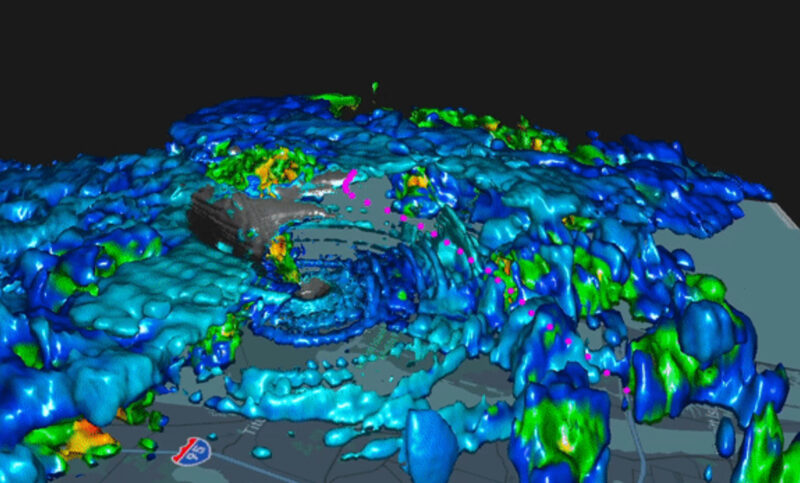
Modern weather radar operates by sending out pulses of microwave energy that bounce off water droplets, hail, and snow, returning information that computers translate into familiar images on screens across the region. The primary radar serving the Pittsburgh area is a Doppler system that not only detects where rain is falling, but also measures the speed and direction of moving particles within storms.
These systems rely on a combination of components working in precise coordination:
- A rotating antenna that sweeps the horizon 360 degrees, scanning the atmosphere at different elevation angles.
- Powerful transmitters that generate short, intense radio wave bursts.
- Sensitive receivers that detect the faint signals returning from precipitation.
- Sophisticated algorithms that process raw data into the colorful maps viewers recognize.
Doppler radar can identify rotation within thunderstorms that might signal tornado development, while dual polarization technology helps distinguish between rain, snow, sleet, and hail. Forecasters in Pittsburgh rely on these capabilities to provide increasingly accurate warnings.
How Radar Data Translates to Your Forecast
The raw information captured by Pgh Weather Radar undergoes multiple processing stages before it appears on your television screen or smartphone. Meteorologists at local stations examine base reflectivity images, which show the intensity of returned signals, and velocity products, which reveal wind patterns within storms.
- Data from multiple radar sites is combined into a mosaic covering the region.
- Computer models incorporate radar observations to refine predictions of storm movement.
- Meteorologists interpret the imagery, applying their expertise to anticipate storm evolution.
- Warnings and watches are issued when conditions meet specific criteria for severe weather.
- The public receives alerts through television, radio, mobile applications, and NOAA weather radio.
This workflow enables forecasters to track rapidly developing summer thunderstorms and monitor winter systems that might bring heavy snow during colder months. The result is a more informed public that can make better decisions when hazardous weather approaches.
Real World Applications and Community Impact
During severe weather events, the value of Pgh Weather Radar becomes dramatically apparent. Residents across the region have come to rely on radar imagery to decide whether to postpone outdoor events, secure property before high winds, or seek shelter when warnings are issued. Emergency management officials use detailed radar data to position resources strategically and coordinate responses when storms cause damage.
Local television meteorologists often describe their role as interpreters of complex data. "We translate what the radar is showing into actionable information for our viewers," explains one Pittsburgh based meteorologist. "The radar shows us where storms are, but our job is to explain where they are going and what they might do." This human element remains crucial even as technology continues to advance.
Challenges and Limitations of Radar Technology
Despite its capabilities, Pgh Weather Radar faces inherent limitations that affect forecast accuracy. The curvature of the Earth causes radar beams to rise with distance from the transmitter, meaning low level storms can sometimes be missed when the beam is already high in the atmosphere. Tall terrain features like mountains can also create shadows where radar cannot penetrate.
Other challenges include:
- Attenuation, where heavy rain weakens the radar signal.
- Bright band effects, where melting snow in a winter storm can distort precipitation estimates.
- Anomalous propagation, where unusual atmospheric conditions bend the radar beam, creating false echoes.
- The finite volume of data, which cannot capture every detail across the entire region at all times.
Meteorologists must account for these limitations when analyzing radar data, combining it with observations from weather stations, satellites, and computer models to build the most accurate picture possible.
The Future of Radar Forecasting in Pittsburgh
Technology continues to evolve, with upgrades to the Pgh Weather Radar network promising even more detailed information in the years ahead. New dual polarization capabilities have already improved precipitation type identification, while phased array radar technology could eventually provide faster scanning rates and more detailed imagery. Researchers are also exploring ways to use artificial intelligence and machine learning to enhance radar interpretation and short term forecasting.
Citizen scientists can also contribute to the collective understanding of local weather through reporting programs that complement radar observations. When reports of hail size, wind damage, and funnel clouds are combined with radar data, meteorologists gain valuable context that improves future warnings and forecasts.
As climate patterns continue to shift, the importance of sophisticated radar systems like those serving the Pittsburgh area will only grow. These tools provide essential windows into the atmosphere, helping residents prepare for, respond to, and ultimately adapt to the ever changing weather that defines the region.
Related Post
Pittsburgh Weather Radar Booms: How PGH Weather Radar Revolutionizes Storm Detection

2022 Honda Pilot Touring Hybrid: Redefining Family Luxury With Hybrid Prowess

Lee Ingleby’s Family Life: A Window Into Authentic Fatherhood and Domestic Truth

Master the Perfect Posture: Top Pants Colors That Elevate a Black Blazer


