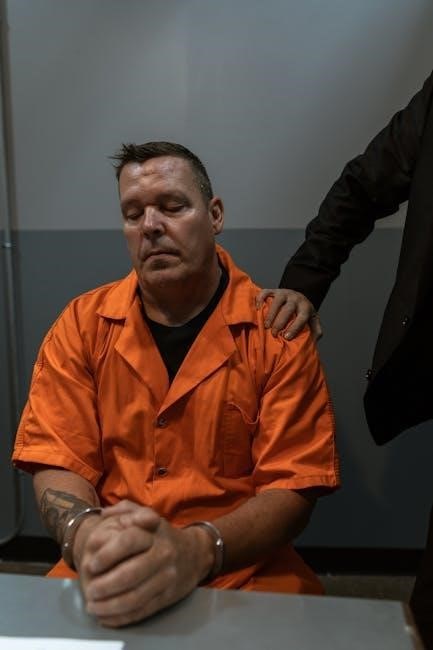
Irving Jail: Inside the Controversial Reality of Dallas County's Overcrowded Facility
Irving Jail: Inside the Controversial Reality of Dallas County's Overcrowded Facility
Located in the heart of Dallas County, the Irving Jail processes thousands of arrests annually, holding individuals ranging from low-level offenders to high-profile suspects. Often operating at or beyond its designed capacity, the facility has become a focal point for debates on municipal policing, bail reform, and the broader ethics of pretrial detention. This article examines the operational mechanics, documented controversies, and systemic challenges facing one of North Texas’s most active correctional institutions.
The operational structure of the Irving Jail is designed to manage a high volume of detainees flowing through the criminal justice system. As the primary processing center for the City of Irving Police Department and a regional hub for federal immigration holds, its daily rhythm is dictated by intake, classification, and short-term housing. Unlike state prisons housing convicted felons serving long sentences, the primary population of the Irving facility consists of individuals awaiting trial or serving short sentences for misdemeanors.
**Daily Operations and Inmate Classification**
Upon arrival, detainees undergo a standardized booking process. This includes fingerprinting, photography, a health screening, and inventory of personal property. The initial classification determines the housing unit and security level, aiming to separate violent offenders from non-violent individuals.
* **Security Levels:** The facility is divided into general population, protective custody, and administrative segregation units.
* **Health and Medical:** Basic medical screening is conducted upon entry, with more serious conditions referred to off-site medical services.
* **Visitation and Communication:** Policies dictate specific times for inmate phone calls and scheduled visitations, often requiring prior approval or the use of a third-party vendor.
These procedures are standard across municipal jails, yet the sheer volume of bodies passing through Irving has drawn scrutiny. The constant turnover means that issues regarding medical care, mental health support, and the conditions of confinement can be easily overlooked in the rush to process and release.
**The Overcrowding Crisis**
Perhaps the most persistent issue facing the Irving Jail is overcrowding. Multiple reports from advocacy groups and state monitors have highlighted that the facility frequently operates at or above 100% capacity. This overcrowding creates a cascade of secondary problems that impact both inmate welfare and staff safety.
Overcrowding directly correlates with longer wait times for medical attention, increased tension among detainees, and reduced opportunities for programming or rehabilitation. It strains the resources of the medical staff and places undue pressure on correctional officers who are responsible for supervising a larger population than intended.
* **Increased Tension:** Denser populations lead to more frequent conflicts among inmates.
* **Resource Strain:** Limited access to showers, phone calls, and legal resources become points of contention.
* **Health Risks:** The spread of communicable diseases, such as influenza and COVID-19, is exacerbated in crowded environments.
In a 2022 interview with a local investigative journalist, a former correctional officer, who spoke on condition of anonymity, described the environment as "a pressure cooker. You have too many people in a space built for fewer, and something is bound to give."
**Mental Health and Medical Concerns**
The Irving Jail has faced particular criticism regarding its handling of inmates with mental health issues. The jail functions as a de facto psychiatric facility for many in the Dallas County system, housing individuals who might otherwise be in a treatment facility rather than a lockup.
Documented incidents have included inmates in acute psychiatric distress being placed in solitary confinement for their own safety or the safety of others, rather than receiving therapeutic intervention. The lack of adequate on-site psychiatric care means that crises are often managed with restraint and isolation, raising ethical and legal questions.
Medical care, while legally mandated, is often reported as being minimal and reactive rather than proactive. Delays in treating chronic conditions or injuries have led to civil rights complaints filed against the facility, alleging that the failure to provide timely medical attention constitutes cruel and unusual punishment.
**Controversies and Legal Challenges**
The history of the Irving Jail is punctuated by legal battles and public controversies. Civil rights organizations have repeatedly challenged the facility's practices, particularly concerning bail and the treatment of pre-trial detainees.
The central argument against the current system is that it penalizes poverty. Individuals who cannot afford bail are held in jail simply because they lack the financial resources to secure their release, while those with means can await trial from home. This creates a two-tiered system where liberty is contingent on wealth, not the severity of the alleged crime.
**Key Legal Issues:**
1. **Bail Reform Litigation:** Advocacy groups have pushed for changes to the bail schedule, arguing it disproportionately affects low-income residents.
2. **Use of Force:** Incidents involving the use of pepper spray or physical restraint have been investigated by both internal affairs and external oversight bodies.
3. **Conditions of Confinement:** Lawsuits have alleged that the facility fails to provide adequate heat, ventilation, and sanitation.
These legal challenges force the facility into the national spotlight, highlighting the complex intersection of law enforcement, social justice, and civil liberties.
**The Path Forward**
Reform discussions surrounding the Irving Jail are multifaceted. Some advocate for reducing the jail population through citation programs for minor offenses or expanding pretrial services. Others call for the construction of a new, larger facility, though this raises questions about the ethics of investing in a system that may perpetuate the cycle of incarceration.
The future of the Irving Jail hinges on the county’s ability to balance public safety with the humane treatment of those in its custody. As scrutiny continues, the facility remains a microcosm of the American criminal justice system, reflecting both its capacity for order and its frequent failure to deliver true justice.
For now, the doors of the Irving Jail continue to open and close, holding a diverse population caught in the machinery of the law, awaiting their day in court or their release back into a society they are often ill-prepared to rejoin. The challenge for Dallas County is to ensure that while these individuals await their fate, their basic human rights are not forgotten.
Related Post
Irving Jail Inmate Search Tx: The Definitive Guide to Locating Inmates